
Short Answer
Overview
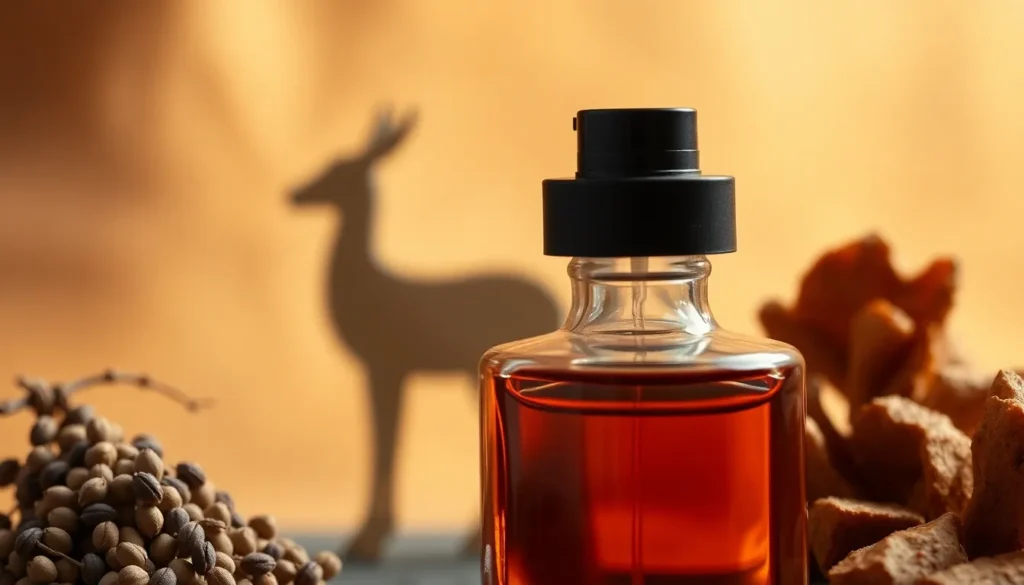
A musky scent refers to a type of fragrance noted for its warm, earthy, and animalistic aroma. Historically associated with the secretion from the musk gland of the male musk deer, musky scents have been prized in perfumery for centuries due to their unique ability to impart depth, sensuality, and longevity to fragrances. Today, natural musk is rarely used due to ethical and legal concerns, with synthetic musks and plant-based alternatives serving as common substitutes.
Detailed Explanation
Musky scents are characterized by their complex olfactory profile, which can be described as both sweet and earthy, often evoking a sense of warmth and sensuality. Originally, the scent was extracted from the musk pod of the male musk deer, a process that involved the animal’s death, raising significant ethical and conservation issues. Consequently, the use of natural musk has been heavily restricted or banned in many countries.
In response, the fragrance industry developed synthetic musks, including nitro musks, polycyclic musks, and macrocyclic musks, which mimic the scent profile of natural musk without ethical drawbacks. Additionally, certain plant-derived substances such as ambrette seed oil offer musky-like aromas and are utilized as alternatives.
How It Works
Musky compounds function as fixatives in perfumery, meaning they slow the evaporation of more volatile fragrance ingredients, thereby enhancing the scent’s longevity on the skin. The molecular structure of musks allows them to interact with human olfactory receptors in a way that is perceived as warm, intimate, and enduring. This makes musk a versatile base note that complements a range of fragrance families, from floral and oriental to woody and spicy.
Examples
- Natural Musk: Traditionally sourced from the musk deer, now rarely used due to ethical concerns.
- Synthetic Musks: Includes compounds like galaxolide and muscone, widely used in modern perfumery.
- Plant-Based Alternatives: Ambrette seed oil and certain sandalwood varieties that provide musky scents without animal involvement.
- Common Use in Fragrances: Musk is frequently found in perfumes such as Chanel No. 5, which use it to add depth and sensuality.
Why It Matters
The musky scent plays a significant role in perfumery and personal care due to its unique olfactory properties. It enhances fragrance complexity and longevity, making it a valuable ingredient for perfumers. Additionally, musk scents often evoke emotional and psychological responses associated with warmth, comfort, and sensuality. Understanding musky scents also highlights important ethical considerations in fragrance sourcing and the development of synthetic alternatives that balance tradition with modern sustainability concerns.
Common Misconceptions
Misconception: All musk scents come from animal sources.
Correction: While natural musk originally came from animals, most musky scents today are created synthetically or derived from plants, avoiding animal harm.
Misconception: Musk always smells strong and unpleasant.
Correction: Musk can vary widely in scent profile and is often described as warm, soft, and pleasant, especially when balanced within a fragrance composition.
Pros and Cons
Comparison Table
| Aspect | Musky Scent | Alternative/Related Topic |
|---|---|---|
| Meaning | Warm, earthy, slightly sweet fragrance originally from musk deer gland | Floral Scent: fragrance dominated by flower notes |
| Source | Originally animal secretions; now mostly synthetic or plant-derived | Citrus Scent: derived from citrus fruits |
| Role in Perfumery | Fixative and base note providing longevity and depth | Top Notes: volatile scents that evaporate quickly |
| Ethical Considerations | Natural musk harvesting is controversial; synthetic alternatives preferred | Natural Extracts: vary in ethical impact depending on source |
Decision Checklist
- Use this if you want a fragrance with depth, longevity, and a warm, sensual character.
- Avoid this if you are sensitive to animal-derived products or prefer fresh, light scents.
- Check this first whether the musk scent is synthetic or natural, especially if ethical sourcing is a concern.
What is the easiest way to understand Musky Scent?
The easiest way to understand a musky scent is to think of it as a warm, soft, and slightly sweet fragrance that serves as a foundation in many perfumes. It often feels intimate and long-lasting, enhancing other scent notes by providing a rich and enduring base.
FAQ
What is a musky scent in perfume?
A musky scent is a warm, earthy, and slightly sweet fragrance note originally derived from the musk gland of the male musk deer, now mostly created synthetically or from plant sources for use in perfumes.
Why is natural musk rarely used today?
Natural musk is rarely used because its extraction involves killing the musk deer, raising serious ethical and conservation concerns, leading to bans and restrictions worldwide.
How do synthetic musks differ from natural musk?
Synthetic musks are chemically manufactured compounds that mimic the scent of natural musk but avoid animal harm, and they often provide more consistent and environmentally manageable options.






Leave a Reply