
Short Answer
Overview
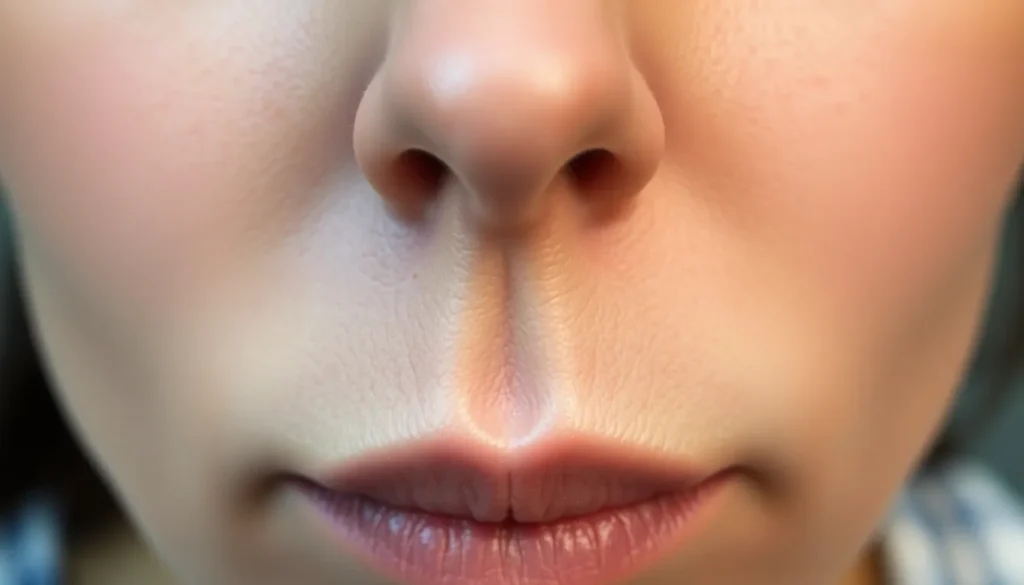
A button nose refers to a particular nose shape characterized by its small, rounded, and slightly upturned appearance. The term is often used in descriptive contexts to highlight the compact and soft features of the nose, typically with a rounded tip that resembles a button. This type of nose shape is frequently noted in various cultural and aesthetic discussions related to facial features.
Detailed Explanation
The button nose is distinguished by its relatively short nasal length and a gently rounded tip, which may be slightly elevated compared to other nose types. Unlike prominent or elongated noses, the button nose usually has a subtle, delicate profile. The nostrils are often small and the bridge of the nose may be narrow or average in width. This nose shape is commonly considered aesthetically pleasing in many cultures due to its balanced proportions.
How It Works
The shape of the nose, including features like the button nose, is determined primarily by genetic factors influencing the bone structure and cartilage. The nasal tip’s roundness results from the shape and position of the lower lateral cartilages, while the slight upturn is due to the angle between the columella and the philtrum of the upper lip. Variations in these anatomical components produce the distinctive characteristics associated with a button nose.
Examples
- In humans, individuals with a button nose often exhibit a youthful or gentle facial expression due to the soft contours of this nasal shape.
- Many characters in animation and literature are depicted with a button nose to evoke innocence or charm.
- Certain ethnic groups have higher prevalence rates of button-shaped noses, though the feature is widely distributed globally.
Pros and Cons
Pros: The button nose is often regarded as aesthetically appealing and can contribute to a balanced facial appearance. Its compact size may be associated with a youthful look.
Cons: Some individuals may feel self-conscious about the small size of this nose shape if it does not align with their personal or cultural beauty standards. Additionally, the button nose may be less prominent, which could be a disadvantage in contexts valuing more pronounced facial features.
Comparison Table
| Aspect | Button Nose | Alternative/Related Topic |
|---|---|---|
| Meaning | A small, rounded, and slightly upturned nose tip resembling a button | Roman Nose: A nose with a prominent bridge, often curved or hooked |
| Typical Appearance | Short, rounded tip, compact size | Longer, angular, and more pronounced nose shape |
| Common Associations | Youthfulness, softness, charm | Strength, character, distinctiveness |
Decision Checklist
- Use this if you want to describe or identify a small, rounded nose shape with a gentle upturn.
- Avoid this if the nose being described has a prominent bridge or is elongated.
- Check this first by observing the nasal tip shape, size, and angle relative to the face.
What is the easiest way to understand a Button Nose?
The easiest way to understand a button nose is to visualize a small, rounded nose tip that slightly points upwards, resembling the shape and size of a button. It is a facial feature characterized by its compact and soft appearance, often noted for imparting a youthful or gentle look.
FAQ
What defines a button nose?
A button nose is defined by its small size, rounded tip, and slight upward angle, resembling the shape of a button.
Is a button nose genetically inherited?
Yes, the shape of the nose, including the button nose, is influenced primarily by genetic factors affecting bone and cartilage structure.
Are button noses considered attractive?
Many cultures consider button noses attractive due to their association with youthfulness and soft facial features, though beauty standards vary widely.

Leave a Reply