
Short Answer
Overview
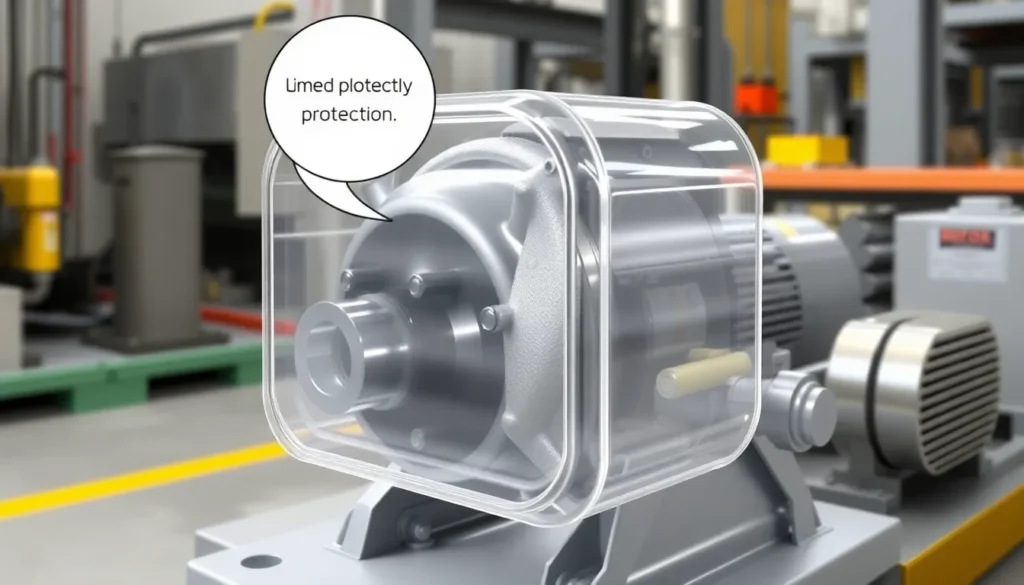
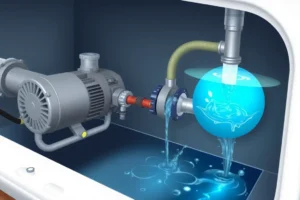
A pump cover is an accessory or enclosure designed to fit over a pump mechanism. Pumps, which are devices used to move fluids or gases, often operate in environments where protection from external elements or physical damage is necessary. A pump cover can provide this protection as well as contribute to safety by shielding moving parts, preventing contamination, or reducing noise. Additionally, pump covers may serve aesthetic purposes or help with compliance to safety standards in industrial or commercial settings.
Detailed Explanation
Pump covers vary greatly depending on the type of pump and its application. They may be made from materials such as plastic, metal, rubber, or composite materials. The design of a pump cover takes into account factors like environmental exposure (e.g., water, dust, chemicals), temperature resistance, and mechanical durability. In some cases, pump covers include insulation or sound-dampening features to reduce noise levels during pump operation.
In industrial environments, pump covers can also help in preventing accidental contact with moving parts, thereby enhancing workplace safety. For fuel or chemical pumps, covers may prevent leaks or spills by providing an additional barrier. In residential or commercial settings, pump covers might be used to hide pumps for visual appeal or to prevent tampering.
How It Works
The pump cover functions by physically encasing the pump or its critical components. It is typically designed to be removable or hinged for maintenance access. The cover fits snugly around the pump housing or mounting frame, ensuring that it does not interfere with the pump’s operation or fluid flow. Ventilation features may be included to prevent overheating, and seals or gaskets may be used to maintain waterproof or dustproof properties.
Installation of a pump cover usually involves securing it with fasteners or clamps, and the cover must be compatible with the pump’s dimensions and operational requirements. The cover acts as a first line of defense against external contaminants and mechanical impacts, while also potentially reducing noise transmission.
Examples
- Fuel pump covers: Used at gas stations to protect fuel dispensers from weather damage and vandalism.
- Pool pump covers: Designed to shield pool pumps from water splashes, debris, and UV exposure while reducing operational noise.
- Industrial pump covers: Enclosures for pumps in manufacturing plants, often made of metal or reinforced plastic, designed to safeguard pumps from harsh environments and accidental contact.
Pros and Cons
Pros:
- Protects pumps from environmental damage such as dust, moisture, and chemicals.
- Enhances safety by preventing accidental contact with moving parts.
- Can reduce noise levels generated by pump operation.
- Improves aesthetic appearance in visible installations.
Cons:
- May require additional maintenance to keep clean and functional.
- Improper installation or design can cause overheating or restrict pump performance.
- Can add cost and complexity to pump systems.
Comparison Table
| Aspect | Pump Cover | Alternative/Related Topic: Pump Housing |
|---|---|---|
| Meaning | An external protective or decorative enclosure fitted over a pump. | The integral casing of a pump that contains and supports the internal components. |
| Purpose | Protection, safety, noise reduction, aesthetics. | Structural support, fluid containment, and mechanical function. |
| Material | Varies (plastic, metal, rubber, composites). | Typically metal or specialized engineered plastics. |
| Removability | Generally removable or hinged for access. | Usually fixed and integral to the pump. |
Decision Checklist
- Use this if you need to protect a pump from environmental damage, improve safety, or reduce noise.
- Avoid this if the pump requires maximum ventilation or heat dissipation that a cover might restrict.
- Check this first to ensure compatibility with your pump model, maintenance access needs, and environmental conditions.
What is the easiest way to understand a Pump Cover?
The simplest way to understand a pump cover is to think of it as a protective shell or case that fits over a pump to shield it from damage, improve safety, and sometimes make it look better or quieter during use. It is similar to how a phone case protects and customizes a mobile device.
FAQ
What is the main purpose of a pump cover?
The main purpose of a pump cover is to protect the pump from environmental damage, enhance safety by shielding moving parts, reduce noise, and sometimes improve the pump's appearance.
Can pump covers affect pump performance?
Yes, if not properly designed or installed, pump covers can restrict ventilation and cause overheating, potentially affecting pump performance and longevity.
Are pump covers removable for maintenance?
Most pump covers are designed to be removable or hinged to allow easy access for maintenance and inspection of the pump.
Leave a Reply