
Short Answer
Overview
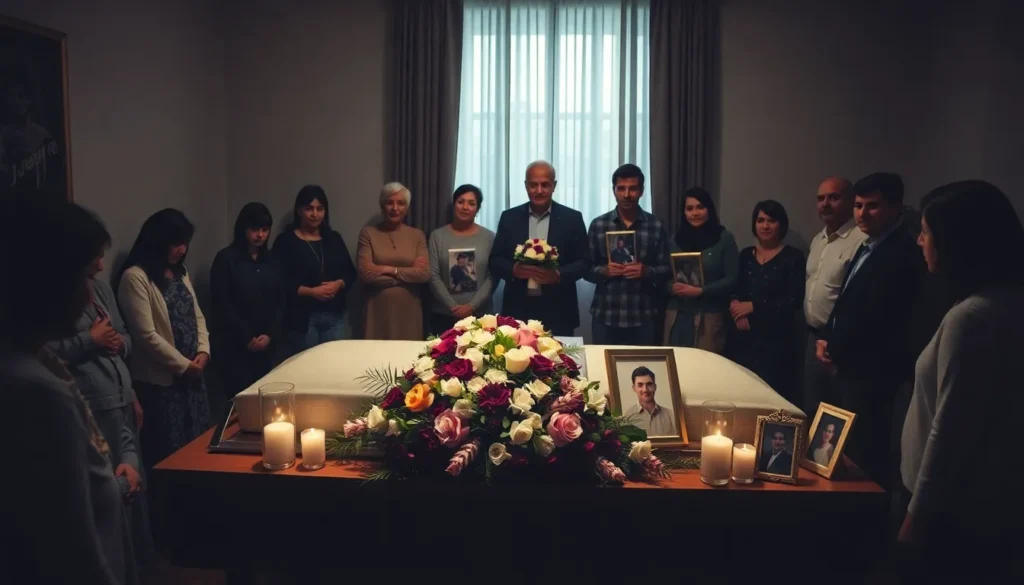
A wake funeral is a ceremonial gathering traditionally held to honor the deceased and provide an opportunity for family, friends, and community members to pay their respects. The wake typically occurs before or after the formal funeral service and can vary widely in customs and practices depending on cultural, religious, and regional traditions. Historically, wakes served as a vigil to keep watch over the deceased, ensuring the body was not disturbed and providing a time for collective mourning and remembrance.
Detailed Explanation
In many cultures, a wake is a social event that allows attendees to view the deceased, often in an open casket, and to share stories, memories, and support. It is a time for emotional expression and communal solidarity. The term ‘wake’ originates from the Old English word ‘wacian,’ meaning ‘to be awake,’ reflecting the vigil aspect of the tradition. Wakes can last from a few hours to several days, depending on local customs and family preferences. Some wakes include religious rites such as prayers, hymns, or scripture readings, while others may focus more on informal interactions among mourners.
How It Works
The organization of a wake funeral usually begins shortly after death and can be held in a funeral home, private residence, place of worship, or community center. The body of the deceased is typically prepared and presented in a casket or on a bier. Mourners gather to offer condolences to the family, often accompanied by refreshments or light meals. The atmosphere at a wake may range from solemn and reflective to celebratory, depending on cultural norms and the wishes of the deceased’s family. In some traditions, wakes include rituals such as lighting candles, singing, or sharing prayers to honor the deceased’s life and soul.
Examples
- In Irish culture, wakes are known for being a time of both mourning and celebration, often including storytelling, music, and food to remember the deceased’s life.
- In Filipino tradition, wakes called ‘lamay’ can last several days and involve nightly prayers, communal gatherings, and the presence of the body at home or a funeral parlor.
- In some African and Caribbean communities, wakes include drumming, dancing, and singing as an expression of respect and to help guide the spirit of the deceased.
Pros and Cons
- Pros: Provides a structured opportunity for grief and communal support; helps preserve cultural and religious traditions; allows for personal and collective remembrance.
- Cons: Can be emotionally taxing for the bereaved; may involve significant logistical planning and expense; customs may vary widely, causing confusion.
Comparison Table
| Aspect | Wake Funeral | Funeral Service |
|---|---|---|
| Meaning | A vigil or gathering to honor the deceased, often before or after the funeral | A formal ceremony to commemorate the deceased, often involving religious or secular rites |
| Setting | Typically informal, held at home, funeral home, or community space | Often held at places of worship, funeral homes, or cemeteries |
| Duration | Several hours to multiple days | Usually one to two hours |
| Activities | Viewing, socializing, storytelling, prayers, and sometimes celebratory customs | Rites, eulogies, prayers, and final farewell |
Decision Checklist
- Use this if: You want to provide a space for communal mourning and remembrance before or after a funeral.
- Avoid this if: The family prefers a private or strictly formal funeral service without extended gatherings.
- Check this first: Cultural, religious, and family preferences regarding the timing, location, and nature of the wake.
What is the easiest way to understand a Wake Funeral?
The easiest way to understand a wake funeral is to view it as a traditional social gathering centered around honoring and remembering the deceased, offering comfort to the bereaved through shared presence and collective memory, often including viewing the body and informal or formal rituals.
FAQ
What is the main difference between a wake and a funeral?
A wake is typically an informal gathering held before or after the funeral to honor and remember the deceased, often involving viewing the body and social interaction. A funeral is a formal ceremony with specific rites and rituals to commemorate the deceased.
Can a wake be held without the body present?
Yes, in some cases a wake may be held without the body present, especially if viewing is not possible or if cultural or personal preferences dictate.
Are wakes part of all cultures?
While many cultures have some form of vigil or gathering to honor the deceased, the specific customs and practices of wakes vary widely and are not universal across all cultures.




Leave a Reply