
Short Answer
Overview
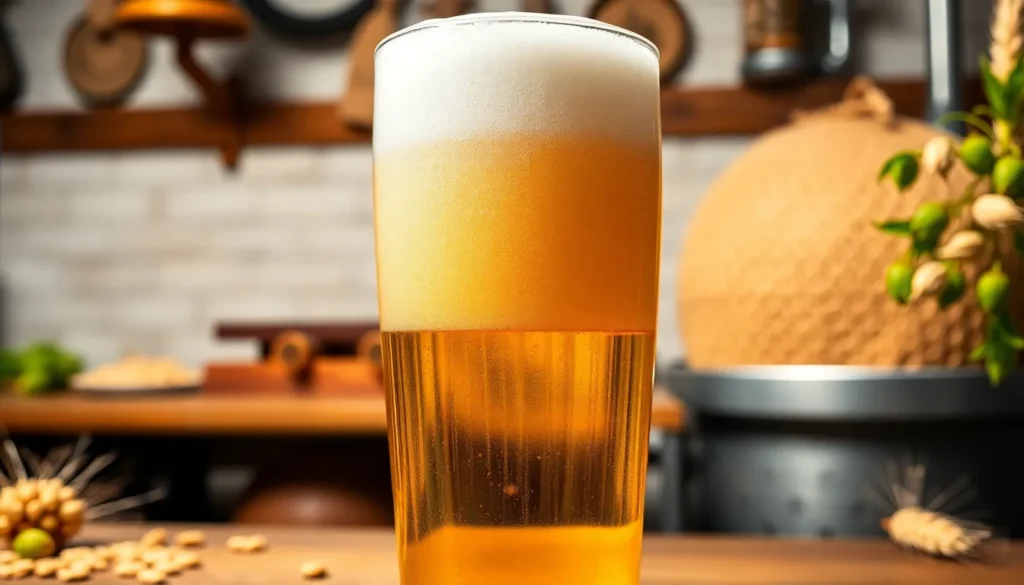
A Pilsner is a style of pale lager that originated in the city of Plzeň (Pilsen), in the Czech Republic, in 1842. It is known for its clear, golden appearance, light to medium body, and a pronounced hop bitterness that balances malt sweetness. The style has influenced many modern lagers and remains one of the most widely brewed and consumed beer styles globally.
Detailed Explanation
The Pilsner style is characterized primarily by its use of light malts and noble hops, typically Saaz hops, which impart a distinctive floral and spicy aroma and flavor. The water profile in the original Pilsen region is soft, which contributes to the beer’s smooth finish. Pilsners are usually fermented with bottom-fermenting lager yeast at cooler temperatures, which results in a clean, crisp taste with minimal fruity esters.
The alcohol content of Pilsners generally ranges from 4.2% to 5.5% ABV, making them moderate in strength. Their color ranges from pale straw to golden yellow. The carbonation level is typically high, giving the beer a refreshing and effervescent mouthfeel. There are several variations of Pilsner, including the original Czech Pilsner, the German Pilsner, and other international adaptations, each with subtle differences in maltiness, bitterness, and body.
How It Works
The brewing process for Pilsner involves using pale malts that provide fermentable sugars while maintaining a light color. The choice of hops, often noble varieties, is critical to achieving the characteristic bitterness and aroma. The wort is boiled with hops, cooled rapidly, and fermented with lager yeast at low temperatures, typically between 7°C and 13°C (45°F to 55°F). This slow fermentation reduces the production of esters and other byproducts, resulting in a clean flavor profile.
After fermentation, the beer undergoes a lagering phase—cold storage for several weeks—which helps clarify the beer and mellow flavors. The final product is a well-balanced beer with a crisp bitterness, moderate malt presence, and a refreshing finish.
Examples
- Pilsner Urquell: The original Czech Pilsner brewed in Plzeň, known for its balanced malt and hop profile.
- Bitburger Pils: A German-style Pilsner with a drier finish and more pronounced hop bitterness.
- Jever Pilsener: A German Pilsner recognized for its sharp, bitter taste and light body.
- Victory Prima Pils: An American interpretation of the Pilsner style, combining traditional ingredients with a modern twist.
Pros and Cons
- Pros: Pilsners are highly refreshing, easy to drink, and pair well with a variety of foods. Their moderate alcohol content makes them accessible to many beer drinkers. The clean and crisp flavor profile is well-suited to warm climates and casual consumption.
- Cons: The style’s subtlety can be perceived as bland by those who prefer more robust or complex beers. Pilsners require precise brewing techniques and quality ingredients to avoid off-flavors, making them challenging for some craft brewers.
Comparison Table
| Aspect | Pilsner | Alternative/Related Topic |
|---|---|---|
| Meaning | A pale lager style originating in Plzeň, characterized by golden color and hop bitterness. | Lager: A broader category of beers fermented with bottom-fermenting yeast at cool temperatures. |
| Flavor Profile | Crisp, clean, balanced malt sweetness with pronounced noble hop bitterness. | Amber Ale: Typically malt-forward with caramel notes and less hop bitterness. |
| Color | Pale straw to golden yellow. | Stout: Very dark to black color with roasted malt flavors. |
| Alcohol Content | 4.2%–5.5% ABV. | IPA: Often higher alcohol content, generally 5.5%–7.5% ABV or more. |
Decision Checklist
- Use this if you want a refreshing, easy-drinking beer with moderate bitterness and a clean finish.
- Avoid this if you prefer beers with strong maltiness, dark roasted flavors, or high alcohol content.
- Check this first if you are sensitive to hop bitterness or prefer complex, fruity beer profiles.
What is the easiest way to understand Pilsner style beer?
The simplest way to understand a Pilsner is to think of it as a pale, crisp lager with a distinctive hop bitterness and a clean, refreshing taste. It is a beer style that balances malt sweetness and hop character, making it highly approachable and popular worldwide.
FAQ
What distinguishes a Pilsner from other lagers?
Pilsners are distinguished by their pale golden color, pronounced hop bitterness, especially from noble hops like Saaz, and their crisp, clean flavor profile resulting from bottom fermentation and lagering.
Are all Pilsners the same?
No, there are several variations including Czech Pilsners, which tend to be maltier and softer, and German Pilsners, which are drier and more bitter. Additionally, many breweries produce their own interpretations influenced by local ingredients and brewing traditions.
Can Pilsners be dark or heavily flavored?
Traditional Pilsners are pale and light-bodied. Dark or heavily flavored beers fall outside the classic Pilsner style and are categorized differently, such as Dunkel or other lager styles.





Leave a Reply