
Short Answer
Overview
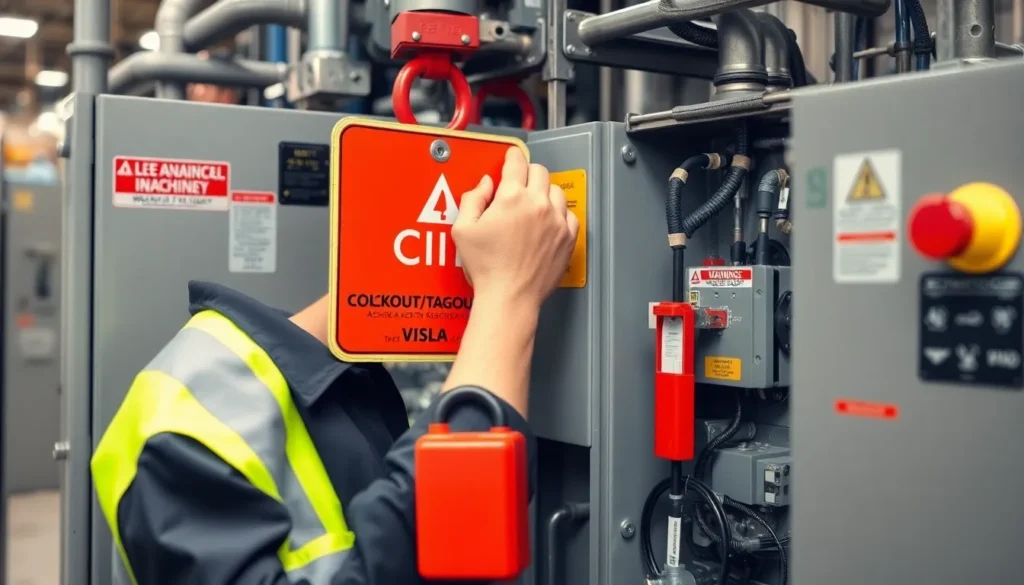
A Hazardous Energy Control Program (HECP) is a formalized set of procedures and practices aimed at preventing the accidental release of hazardous energy that could cause injury or death during the maintenance, servicing, or repair of machinery and equipment. It is commonly associated with lockout/tagout (LOTO) procedures, which are regulatory requirements in many countries to ensure that energy sources are properly isolated and controlled before work begins.
Detailed Explanation
Hazardous energy refers to any electrical, mechanical, hydraulic, pneumatic, chemical, thermal, or other forms of energy that can cause harm if unexpectedly released. The control program involves identifying all energy sources connected to a machine, understanding the methods to isolate these sources, and implementing procedures to ensure that energy is safely controlled and cannot be restored until authorized personnel have completed their work.
The program typically includes employee training, periodic inspections, documentation of procedures, and verification methods to confirm energy isolation. It is a fundamental component of occupational safety standards such as the Occupational Safety and Health Administration (OSHA) standard 29 CFR 1910.147 in the United States.
How It Works
The operation of a Hazardous Energy Control Program generally follows these steps:
- Preparation: Identify all sources of hazardous energy connected to the equipment and understand their types and magnitudes.
- Notification: Inform all affected employees that a lockout or tagout procedure will be implemented.
- Shutdown: Properly shut down the equipment following established procedures.
- Isolation: Physically isolate the equipment from its energy sources through means such as disconnecting power, closing valves, or bleeding stored energy.
- Lockout/Tagout: Apply locking devices or tags to energy-isolating devices to prevent accidental re-energization.
- Stored Energy Check: Ensure that any residual or stored energy is released or restrained.
- Verification: Confirm that the equipment is de-energized and safe to work on.
- Maintenance/Service: Perform the required work safely.
- Restoration: After work is complete, remove lockout/tagout devices and restore energy following notification procedures.
Examples
- Electrical Equipment Servicing: Before repairing an electrical panel, technicians use a lockout device to disconnect the power source and attach a tag warning others not to restore power.
- Mechanical Equipment Maintenance: During gear repair in a conveyor system, hydraulic and pneumatic energy sources are isolated, and locking devices are applied to valves and switches.
- Chemical Systems: When servicing piping that carries hazardous chemicals under pressure, valves are closed and locked out, and pressure is relieved before work begins.
Pros and Cons
- Pros: Enhances worker safety by preventing accidental energy release, reduces workplace injuries and fatalities, ensures compliance with safety regulations, and promotes a culture of safety.
- Cons: Implementation can be time-consuming and may require specialized training, may cause operational delays due to shutdowns, and improper execution can still lead to hazardous conditions.
Comparison Table
| Aspect | Hazardous Energy Control Program | Alternative/Related Topic (General Safety Procedures) |
|---|---|---|
| Meaning | A specific program to control hazardous energy sources to prevent accidents during maintenance. | Broad set of safety practices that may not specifically address energy isolation. |
| Focus | Energy isolation and control to prevent unexpected startup or release of energy. | General workplace safety, including but not limited to hazard identification and personal protective equipment. |
| Regulatory Basis | Often mandated by OSHA and similar agencies. | Varies; may be recommended or required depending on jurisdiction and industry. |
| Implementation | Formal procedures including lockout/tagout devices and verification steps. | Varies widely; may include training and hazard assessments without specific lockout/tagout steps. |
Decision Checklist
- Use this if: You need to ensure safety during maintenance on equipment with hazardous energy sources.
- Avoid this if: There are no hazardous energy sources involved or the equipment does not require servicing that could expose workers to energy hazards.
- Check this first: Identify all energy sources and confirm if lockout/tagout procedures are applicable.
What is the easiest way to understand a Hazardous Energy Control Program?
The simplest way to understand a Hazardous Energy Control Program is to think of it as a safety system designed to “lock” hazardous energy in place so it cannot accidentally harm workers during maintenance or repairs. This involves identifying energy sources, shutting them off, locking them out, and verifying that the equipment is safe to work on before any servicing begins.
FAQ
What is hazardous energy?
Hazardous energy refers to energy sources such as electrical, mechanical, hydraulic, pneumatic, chemical, or thermal energy that can cause harm if unexpectedly released during maintenance or servicing.
Why is a Hazardous Energy Control Program important?
It is important because it prevents accidental startup or release of energy that could result in serious injury or death to workers during equipment servicing.
Who is responsible for implementing a Hazardous Energy Control Program?
Employers are responsible for establishing and enforcing the program, and employees must follow the procedures after receiving proper training.






Leave a Reply