
Short Answer
Overview
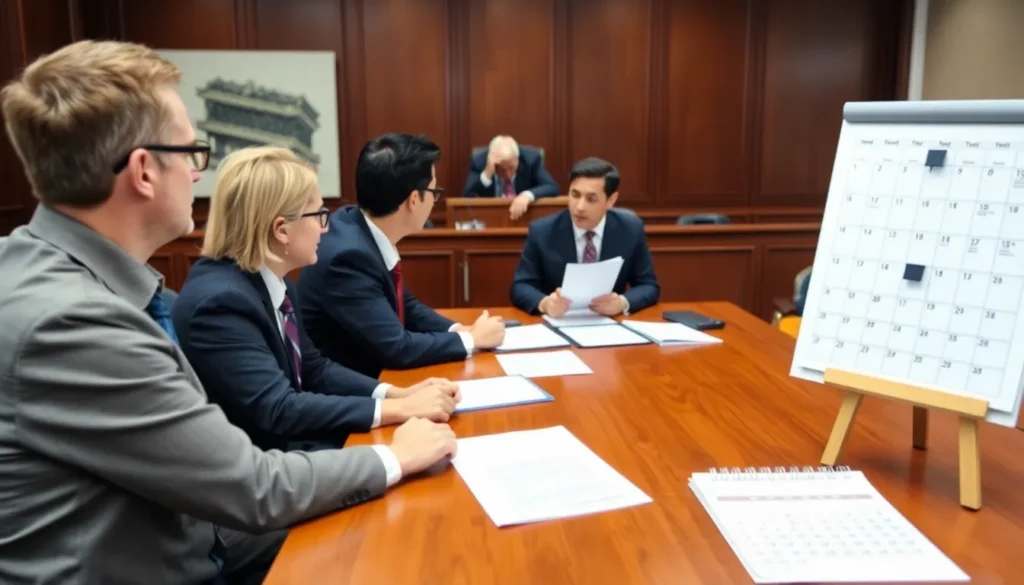
A case management conference (CMC) is a procedural hearing held early in the lifecycle of a civil or family court case. Its primary purpose is to facilitate the efficient management and progression of a legal dispute by allowing the judge and the parties involved to discuss the status of the case, set timelines, and address preliminary procedural matters. This conference is designed to reduce delays, avoid unnecessary costs, and encourage settlement where possible.
Detailed Explanation
Case management conferences are typically mandated by the court rules in many jurisdictions and serve as a platform to organize the litigation process. During a CMC, the judge reviews the case’s readiness for trial, discusses discovery issues, and may address any motions or procedural disputes. The parties may be required to submit case management statements or reports summarizing the current status, outstanding issues, and proposed schedules.
The conference is a crucial step in case administration, ensuring that all parties comply with procedural rules and court orders. It also allows the court to identify any obstacles to the timely resolution of the dispute and to make appropriate orders to overcome them.
How It Works
A case management conference usually occurs shortly after the initial pleadings have been filed. The court sets a date for the CMC, and all parties are notified. Prior to the conference, parties often exchange relevant information and file case management statements outlining their positions and readiness.
At the conference, the judge meets with attorneys (and sometimes the parties themselves) to discuss:
- Timelines for discovery and disclosure of evidence
- Deadlines for filing motions and other key procedural steps
- Potential settlement discussions or alternative dispute resolution options
- Any other matters necessary to streamline the case
The judge may issue orders that bind the parties, including scheduling orders and limitations on the scope or length of discovery. Failure to comply with these orders can result in sanctions or other penalties.
Examples
- Civil Litigation: In a personal injury lawsuit, the CMC may be used to set deadlines for exchanging medical records, completing depositions, and filing dispositive motions.
- Family Law: In a divorce proceeding, the conference might address custody evaluation timelines, financial disclosures, and mediation scheduling.
- Commercial Disputes: For contract disputes, the CMC can help define issues for trial and encourage early settlement negotiations.
Pros and Cons
- Pros: Helps ensure cases progress efficiently, reduces unnecessary delays, promotes early resolution, clarifies procedural requirements, and fosters communication between parties and the court.
- Cons: Can add an additional procedural step that may increase initial costs, may be perceived as burdensome by parties unfamiliar with the court process, and effectiveness depends on the cooperation of parties and the court’s management style.
Comparison Table
| Aspect | Case Management Conference | Pretrial Conference |
|---|---|---|
| Meaning | An early procedural meeting to organize case progression and address preliminary issues. | A later meeting focused on preparing the case for trial, including evidentiary and logistical matters. |
| Timing | Typically early in the case, soon after pleadings. | Usually occurs closer to trial date. |
| Purpose | Set schedules, manage discovery, encourage settlement. | Finalize trial preparation, resolve last-minute issues. |
Decision Checklist
- Use this if: You want to ensure your case is progressing according to court timelines and to address any procedural issues early.
- Avoid this if: Your case is uncontested or settled before the initial procedural stages.
- Check this first: Whether the court mandates a case management conference and what information needs to be prepared or submitted beforehand.
What is the easiest way to understand a Case Management Conference?
Think of a case management conference as a scheduled check-in between the court and the parties to organize the steps needed to move a legal case forward efficiently and fairly, much like a project management meeting in other professional contexts.
FAQ
What is the main goal of a case management conference?
The main goal is to organize and manage the litigation process to ensure the case progresses efficiently and to address any preliminary issues or disputes early on.
Who attends a case management conference?
Typically, the judge presiding over the case and the attorneys representing the parties attend. In some cases, the parties themselves may also participate.
Are case management conferences mandatory?
In many jurisdictions, case management conferences are mandated by court rules for certain types of cases, especially civil and family law matters, to promote timely case resolution.






Leave a Reply