
Short Answer
Overview
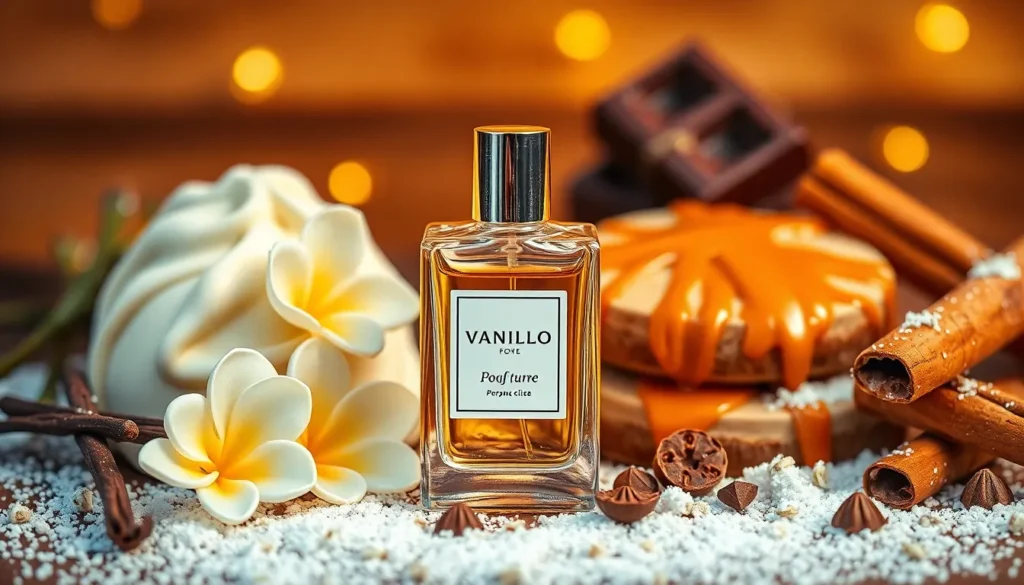
A gourmand scent refers to a type of fragrance that features sweet, edible, or dessert-inspired notes reminiscent of food. These scents often evoke the aromas of vanilla, caramel, chocolate, honey, or spices, creating a warm, comforting, and sometimes indulgent olfactory experience. The term “gourmand” is derived from the French word for “greedy” or “gluttonous,” reflecting the scent’s association with rich and appetizing aromas.
Detailed Explanation
Gourmand scents emerged as a distinct category in perfumery in the late 20th century, gaining popularity for their ability to blend traditional floral or woody notes with sweet, edible accords. Unlike purely floral or fresh scents, gourmand fragrances incorporate synthetic or natural ingredients that mimic the smell of edible substances. These can include vanilla, tonka bean, caramel, chocolate, coffee, almond, and various spices. The category has expanded to encompass a wide range of combinations that suggest sweetness and indulgence without necessarily smelling like specific foods.
How It Works
Gourmand fragrances rely on olfactory compounds that recreate the sensory impression of sweet and edible materials. Perfumers often use a base of vanilla or similar sweet notes combined with complementary accords such as caramel, cocoa, or fruits. These components are balanced with other fragrance families, including florals, woods, or spices, to create complexity and avoid overly sugary or cloying effects. The aim is to evoke the warmth and comfort associated with food aromas, which can trigger positive emotional responses and sensory memories.
Examples
- Vanilla and Tonka Bean: Common base notes that provide a creamy, sweet foundation.
- Caramel: Adds a rich, buttery sweetness often associated with desserts.
- Chocolate: Creates a gourmand scent with a deep, slightly bitter sweetness.
- Honey and Almond: Contribute warm and nutty edible qualities.
- Spices like Cinnamon or Nutmeg: Add warmth and complexity reminiscent of baked goods.
Why It Matters
Gourmand scents represent a significant trend in modern perfumery, reflecting cultural shifts toward comfort and indulgence in fragrance preferences. They appeal to consumers seeking scents that evoke emotions, memories, or moods associated with food and warmth. Additionally, gourmand fragrances have broadened the palette available to perfumers, allowing for innovative scent combinations that challenge traditional classifications.
Common Misconceptions
Misconception: Gourmand scents smell exactly like food.
Correction: While gourmand fragrances are inspired by edible aromas, they do not replicate the scent of food precisely. They are artistic interpretations designed to evoke similar sensory feelings rather than literal food smells.
Misconception: Gourmand fragrances are always overly sweet or cloying.
Correction: Gourmand scents can be balanced with other fragrance notes to prevent them from being too sweet or overwhelming. Skilled perfumers create nuanced compositions that maintain harmony and sophistication.
Pros and Cons
Comparison Table
| Aspect | Gourmand Scent | Alternative/Related Topic (Floral Scent) |
|---|---|---|
| Meaning | Fragrances inspired by edible, sweet, dessert-like notes. | Fragrances primarily composed of flower-based notes such as rose or jasmine. |
| Scent Profile | Sweet, warm, often rich or creamy. | Fresh, light, and sometimes powdery or green. |
| Emotional Effect | Comforting, indulgent, nostalgic. | Romantic, fresh, uplifting. |
| Typical Use | Casual or evening wear, colder seasons. | Daytime wear, spring and summer seasons. |
Decision Checklist
- Use this if: You enjoy warm, sweet fragrances that evoke food-related scents and seek a comforting or indulgent scent experience.
- Avoid this if: You prefer light, fresh, or non-sweet fragrances or need a scent suitable for very formal or professional settings where gourmand notes may be too strong.
- Check this first: Whether the gourmand scent is balanced and not overly sweet or cloying, and if the edible notes align with your personal preferences.
What is the easiest way to understand Gourmand Scents?
The easiest way to understand gourmand scents is to think of perfumes that smell like desserts or sweet treats—such as vanilla cupcakes, caramel candies, or chocolate confections—but interpreted artistically in a fragrance. They are designed to evoke the warmth and pleasure of edible aromas without being literal food scents.
FAQ
What distinguishes gourmand scents from other fragrance types?
Gourmand scents are distinguished by their inclusion of edible or dessert-like notes such as vanilla, caramel, and chocolate, which evoke the smell of sweet or rich foods. This sets them apart from other fragrance families that focus on floral, woody, or fresh notes.
Are gourmand scents suitable for everyday use?
Yes, many gourmand scents are designed for everyday wear, especially in cooler weather when their warm and comforting qualities are more appreciated. However, individual preference and occasion should guide their use.
Can gourmand fragrances smell artificial or overly sweet?
Some gourmand fragrances may smell overly sweet or synthetic if not well balanced. However, skilled perfumers blend gourmand notes with other fragrance families to create nuanced, sophisticated scents that avoid cloying effects.






Leave a Reply