
Short Answer
Overview
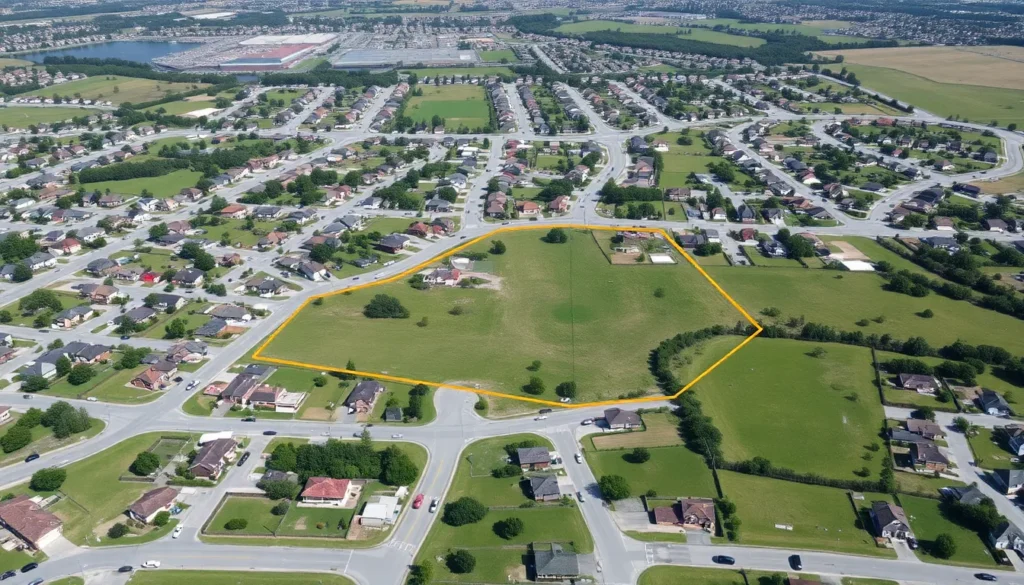
A parcel of land is a distinct and defined portion of real estate property, typically demarcated by legal boundaries and recognized by governmental or cadastral authorities. It represents the smallest unit of land ownership or interest that can be separately conveyed, sold, or otherwise legally managed. Parcels are essential in land administration and are commonly used in property transactions, taxation, land use planning, and legal documentation.
Detailed Explanation
Legally, a parcel of land is described by a metes and bounds description, lot and block system, or other surveying methods that establish its boundaries and dimensions. Parcels are recorded in public land records or registries, often maintained by local governments or land authorities. They can vary in size from small residential plots to large agricultural or commercial tracts.
Ownership of a parcel includes rights to the land itself, potentially including buildings, natural resources, and the right to use the land within the constraints of zoning laws, easements, and other restrictions. Each parcel typically has a unique parcel identification number (PIN), cadastre number, or assessor’s parcel number (APN) for administrative purposes.
How It Works
When land is subdivided, it is divided into multiple parcels, each with defined boundaries. Surveyors measure and mark these boundaries, and the descriptions are legally recorded. The ownership of each parcel can be transferred independently through deeds or other legal instruments.
Parcels serve as the basis for property taxation, where the government assesses the value of each parcel to determine tax obligations. They are also used in land use planning and zoning, helping authorities manage development, environmental protection, and infrastructure placement.
Examples
- A residential lot in a suburban neighborhood, typically ranging from a few hundred to a few thousand square meters, with clear boundaries and a unique parcel number.
- A commercial parcel in an urban area, designated for business use, with specific zoning regulations and ownership rights.
- An agricultural parcel consisting of several acres used for farming, often with easements or rights-of-way for irrigation or access.
Why It Matters
Understanding parcels of land is fundamental to real estate, urban planning, and land management. Clear identification and legal recognition of parcels ensure secure property rights, facilitate transactions, and support responsible governance. Without well-defined parcels, disputes over land ownership, usage, and taxation would be more common and difficult to resolve.
Common Misconceptions
Misconception: A parcel of land always refers to a large piece of property.
Correction: Parcels can vary significantly in size, from very small residential lots to extensive rural tracts.
Misconception: Parcels of land are only relevant to property owners.
Correction: Parcels are important to governments, planners, developers, and legal professionals for many purposes beyond ownership.
Pros and Cons
Comparison Table
| Aspect | Parcel of Land | Alternative/Related Topic: Real Estate Property |
|---|---|---|
| Meaning | A legally defined unit of land with specific boundaries and ownership. | A broader term encompassing land, buildings, and any improvements or interests associated with them. |
| Size | Varies from very small plots to large tracts. | Can include multiple parcels or properties combined as a single real estate asset. |
| Legal Identification | Assigned a unique parcel identification number or similar identifier. | May reference multiple parcels or include additional legal considerations like leases. |
Decision Checklist
- Use this if you need to define, buy, sell, or manage a specific, legally recognized portion of land.
- Avoid this if your focus is on real estate in a broader sense, including buildings and other structures without reference to the land boundaries.
- Check this first when verifying ownership, legal boundaries, or when planning land development or subdivision.
What is the easiest way to understand a Parcel of Land?
The simplest way to understand a parcel of land is to think of it as a distinct piece of land with clear boundaries that can be individually owned, bought, or sold. It is like a ‘plot’ or ‘lot’ marked on a map, recognized by official records to ensure clarity in ownership and use.
FAQ
What distinguishes a parcel of land from other real estate?
A parcel of land specifically refers to a defined area of land with legal boundaries, whereas real estate can include land plus any buildings or improvements on it.
How are parcels of land identified?
Parcels are identified using unique parcel identification numbers or cadastral references recorded in land registries.
Can a parcel of land change size?
Yes, parcels can be subdivided or consolidated, altering their size and boundaries through legal processes and surveys.





Leave a Reply