
Short Answer
Overview
A Sensitive Compartmented Information Facility (SCIF) is a highly secure physical location specifically engineered and accredited to safeguard sensitive compartmented information (SCI). SCI is a subset of classified information concerning national security, which requires special handling and strict controls to prevent unauthorized disclosure. SCIFs are utilized predominantly by United States government agencies, including intelligence, military, and law enforcement organizations, to conduct classified discussions, process intelligence data, and store sensitive materials.
Detailed Explanation
SCIFs are designed in accordance with stringent standards set forth by government entities such as the Director of National Intelligence (DNI) and the Intelligence Community (IC). These standards regulate physical construction, access control, communication security, and technical safeguards to ensure that the information within remains protected from espionage, interception, or compromise. SCIFs can be permanent or temporary, located in government facilities, military bases, or even aboard certain aircraft and ships.
The construction of a SCIF involves soundproofing, electromagnetic shielding (TEMPEST), intrusion detection systems, and strict personnel vetting. Only individuals with appropriate security clearances and a demonstrated need-to-know are allowed access. The handling of SCI inside a SCIF follows meticulous protocols, including secure communications equipment, controlled materials, and continuous monitoring.

How It Works
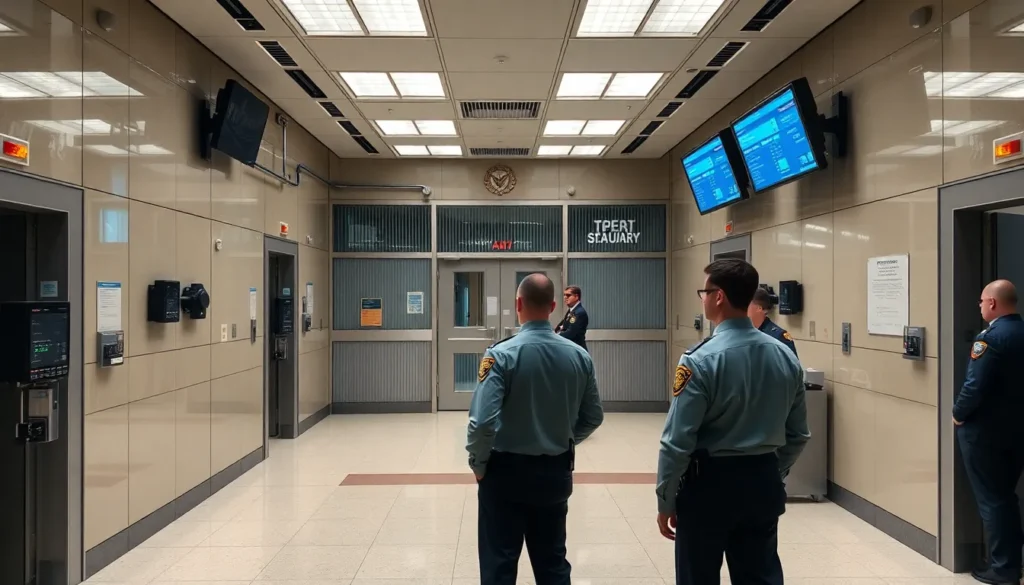
Entry to a SCIF is controlled through physical barriers such as locked doors, guards, and electronic access systems. Inside, the facility is monitored to prevent unauthorized recording or eavesdropping. Sensitive information is accessed only on approved devices and may not leave the SCIF without proper declassification or sanitization procedures.
Communications in and out of a SCIF are heavily encrypted and subject to strict oversight to prevent signals intelligence interception. In addition, SCIFs often feature secure telephones, video conferencing, and data transfer systems that meet rigorous security standards.
Personnel working in a SCIF undergo background investigations and receive training on handling sensitive information. Regular inspections and security audits are conducted to ensure compliance with established protocols.
Examples
- Government intelligence agencies such as the Central Intelligence Agency (CIA) and the National Security Agency (NSA) maintain SCIFs for processing classified information.
- Military command centers utilize SCIFs to coordinate sensitive operational planning and communications.
- Certain diplomatic missions have SCIFs to discuss classified diplomatic communications securely.
Why It Matters
SCIFs are critical to national security as they enable the secure handling and discussion of intelligence and classified information. By providing a controlled environment, SCIFs prevent espionage, leaks, and unauthorized disclosures that could jeopardize missions, personnel, and broader governmental interests. They ensure the integrity and confidentiality of sensitive data that is vital for informed decision-making and operational security.
Common Misconceptions
Misconception: A SCIF is just a locked room.
Correction: While physical security is essential, a SCIF also incorporates advanced technical measures, personnel vetting, and procedural controls beyond merely being locked.
Misconception: Only the military uses SCIFs.
Correction: SCIFs are used across multiple government sectors including intelligence, law enforcement, and diplomatic agencies, not exclusively the military.
Pros and Cons
Comparison Table
| Aspect | SCIF | Secure Office |
|---|---|---|
| Meaning | Facility designed to protect Sensitive Compartmented Information with strict physical and technical security. | General secure workspace with limited access and standard security measures. |
| Security Level | Top-tier security for classified intelligence. | Lower security level, suitable for confidential but not classified information. |
| Use Case | Handling SCI and classified national security information. | Handling sensitive but unclassified business or government information. |
| Access Control | Strict clearance requirements and continuous monitoring. | Controlled access, often badge-based, without special clearances. |
Decision Checklist
- Use this if you need to store, discuss, or process sensitive compartmented information securely.
- Avoid this if your information does not require SCI-level protection or if the cost and complexity outweigh the benefits.
- Check this first to ensure compliance with government regulations and obtain necessary accreditation before establishing a SCIF.
What is the easiest way to understand a Sensitive Compartmented Information Facility?
The easiest way to understand a SCIF is to think of it as a highly secure, specialized room or building where only authorized personnel can enter to handle the most sensitive classified information. It is equipped with advanced security features to prevent any unauthorized access or electronic surveillance, ensuring critical national security data remains protected.
FAQ
What types of information are handled in a SCIF?
SCIFs handle Sensitive Compartmented Information (SCI), which is a highly classified category of national security information that requires compartmentalized access controls.
Can anyone enter a SCIF?
No. Only individuals with the necessary security clearance and a valid need-to-know are permitted access to a SCIF.
Are SCIFs only found in government buildings?
While most SCIFs are located in government or military facilities, temporary or mobile SCIFs can also be established in other secure locations, including certain aircraft and diplomatic missions.






Leave a Reply