
Short Answer
Overview
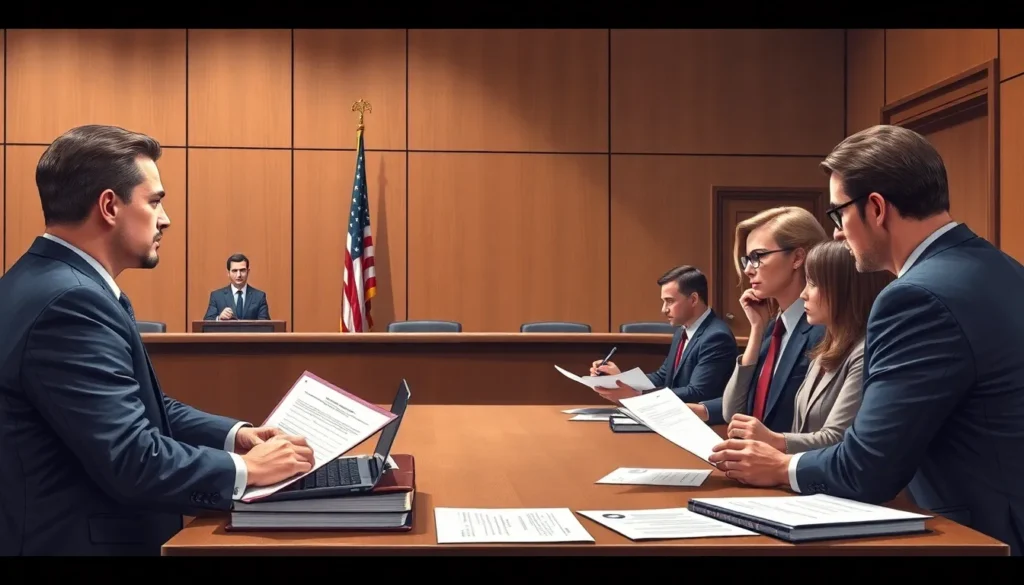
A pre-trial is a critical phase in the legal process that occurs before the formal trial of a case. It involves hearings or conferences aimed at organizing the issues, setting timelines, and encouraging the resolution of disputes without proceeding to a full trial. Pre-trials are used in both civil and criminal cases to streamline the judicial process, clarify the matters at issue, and explore possibilities for settlement or plea agreements.
Detailed Explanation
During the pre-trial phase, the parties involved in a case meet—often with a judge or magistrate—to discuss procedural matters and substantive issues. This stage includes motions, discovery disputes, the exchange of evidence, and other preparatory activities essential for trial readiness. The pre-trial process ensures that both sides are adequately prepared and that the court’s time is used efficiently. It can involve setting deadlines, simplifying issues, and sometimes ruling on the admissibility of evidence or other legal questions.
How It Works
The pre-trial generally begins after the initial pleadings have been filed. The court schedules a pre-trial conference or hearing where attorneys for both parties appear. They discuss the status of the case, identify matters that can be resolved beforehand, and set a timetable for remaining steps. In criminal cases, pre-trials may also include plea negotiations. If parties reach an agreement, the case may be resolved before trial. If not, the pre-trial sets the stage for the trial by establishing the framework and issues to be addressed.
Examples
- Civil Litigation: In a civil lawsuit regarding a contract dispute, a pre-trial conference may be held to discuss discovery deadlines and potential settlement options.
- Criminal Cases: A defendant charged with a crime might attend a pre-trial hearing where a plea bargain is proposed, potentially avoiding a full trial.
- Family Law: In custody disputes, pre-trial mediation sessions serve as a form of pre-trial to encourage agreement on parenting arrangements.
Pros and Cons
- Pros: Helps reduce trial length, encourages settlements, clarifies issues, and conserves court resources.
- Cons: Can increase legal costs if drawn out, may pressure parties into settlement, and sometimes leads to procedural delays.
Comparison Table
| Aspect | Pre-Trial | Trial |
|---|---|---|
| Meaning | Preliminary phase to organize and resolve issues before trial | Formal court hearing where evidence is presented and judgment is made |
| Purpose | Facilitate settlement, clarify issues, set schedules | Determine facts and apply law to reach verdict |
| Participants | Judge, attorneys, parties | Judge or jury, attorneys, parties, witnesses |
| Outcome | Possible resolution or preparation for trial | Binding decision or verdict |
Decision Checklist
- Use this if you want to clarify case issues, explore settlement, or prepare for trial efficiently.
- Avoid this if the case requires immediate trial due to urgent matters or if parties are unwilling to cooperate.
- Check this first to ensure all parties have completed required discovery and are ready to discuss case details.
What is the easiest way to understand a Pre-Trial?
The easiest way to understand a pre-trial is to think of it as a meeting before the main event (the trial), where everyone involved discusses what needs to happen, tries to resolve problems early, and plans how to proceed. It’s like preparing a roadmap so the actual trial can run smoothly or be avoided altogether if a resolution is reached.
FAQ
What is the main purpose of a pre-trial?
The main purpose of a pre-trial is to organize the case, clarify issues, and encourage resolution before the trial begins.
Can a case be resolved during a pre-trial?
Yes, many cases are settled or resolved through plea bargains or agreements during the pre-trial phase.
Who attends a pre-trial?
Typically, the judge, attorneys for both parties, and sometimes the parties themselves attend the pre-trial.






Leave a Reply