
Short Answer
Overview
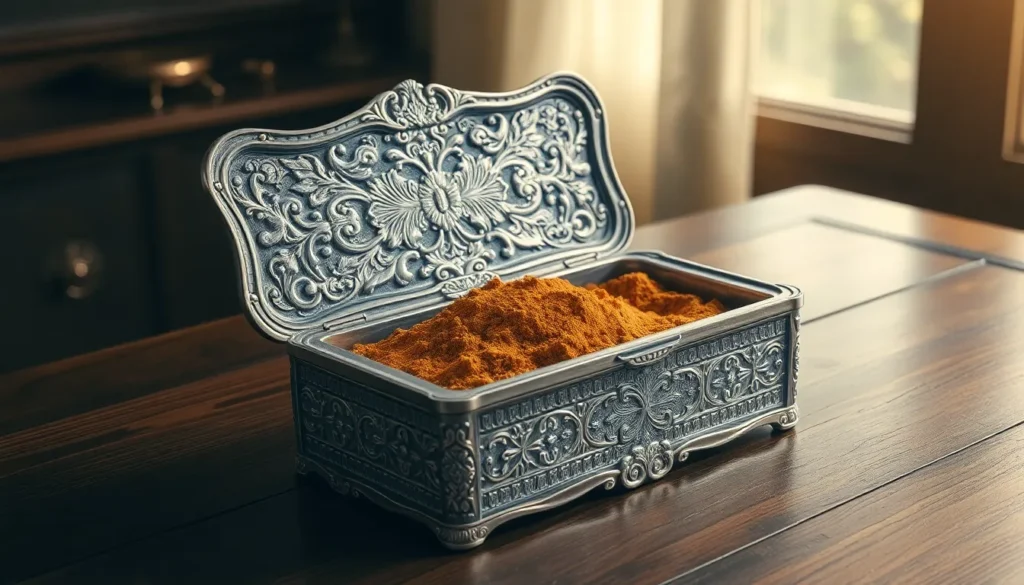
A snuff box is a small, usually ornamental container designed to hold snuff, which is a form of powdered tobacco. Snuff was inhaled or sniffed through the nose and was a popular form of tobacco consumption primarily between the 17th and 19th centuries. The boxes were often made from various materials including metals, wood, ivory, and precious stones, and were sometimes intricately decorated to reflect the owner’s wealth or taste.
Detailed Explanation
Snuff boxes served both practical and aesthetic purposes. Practically, they kept the snuff dry and contained, making it easy to carry and use throughout the day. Aesthetically, snuff boxes became collectible items and status symbols, with elaborate designs, engravings, and embellishments. They ranged from simple utilitarian designs to luxurious objects of art, sometimes commissioned by wealthy individuals or royalty.
How It Works
The snuff box typically features a hinged lid to protect the contents from moisture and contamination. Users would open the box to take a pinch of snuff using their fingers or a small spoon known as a snuff spoon. The powdered tobacco was then inhaled lightly through the nostrils. The box’s compact size allowed it to be conveniently carried in a pocket or purse.
Examples
- European Silver Snuff Boxes: Popular in the 18th century, often engraved with elaborate designs or personalized inscriptions.
- Chinese Lacquered Snuff Boxes: Known for their intricate lacquer work and sometimes inlaid with precious stones or paintings.
- Gold and Jeweled Snuff Boxes: Owned by aristocracy and royalty, these were highly decorative and valuable, serving as symbols of prestige.
Why It Matters
Snuff boxes provide insight into social customs, tobacco history, and decorative arts from past centuries. They reflect the cultural significance of snuff-taking as a socially accepted practice and demonstrate the interplay between functionality and artistry in personal accessories. Collectors and historians study snuff boxes to understand historical lifestyles, craftsmanship, and economic conditions.
Common Misconceptions
Misconception: Snuff boxes were only used by smokers.
Correction: While primarily associated with tobacco users, snuff boxes were also fashion statements and collectible objects beyond their practical use.
Misconception: Snuff is the same as chewing tobacco.
Correction: Snuff is powdered tobacco intended for nasal inhalation, whereas chewing tobacco is used orally.
Pros and Cons
Pros: Portable and protective storage for snuff; decorative and collectible; reflects cultural heritage.
Cons: Associated with tobacco use and related health risks; some designs became expensive luxury items limiting accessibility.
Comparison Table
| Aspect | Snuff Box | Chewing Tobacco Pouch |
|---|---|---|
| Meaning | A container for powdered tobacco (snuff) inhaled nasally. | A pouch for loose tobacco meant to be chewed orally. |
| Typical Materials | Metal, wood, ivory, lacquer, precious stones. | Leather, cloth, or paper pouches. |
| Function | Storage and protection of snuff; portable and decorative. | Convenient storage for chewing tobacco; simple and practical. |
| Usage Method | Snuff inhaled through the nose. | Tobacco chewed orally. |
Decision Checklist
What is the easiest way to understand a Snuff Box?
The simplest way to understand a snuff box is to view it as a small, often ornate container designed to hold powdered tobacco for nasal use, serving both practical and decorative purposes in historical contexts.
FAQ
What is a snuff box used for?
A snuff box is used to store and carry powdered tobacco known as snuff, which is inhaled through the nose.
How is snuff taken from a snuff box?
Users typically open the box and take a small pinch of snuff using their fingers or a small snuff spoon, then inhale it lightly through the nostrils.
Are snuff boxes still used today?
While less common today due to changes in tobacco consumption habits, snuff boxes remain collectible antiques and are sometimes used by enthusiasts of traditional snuff.

Leave a Reply