
Short Answer
Overview
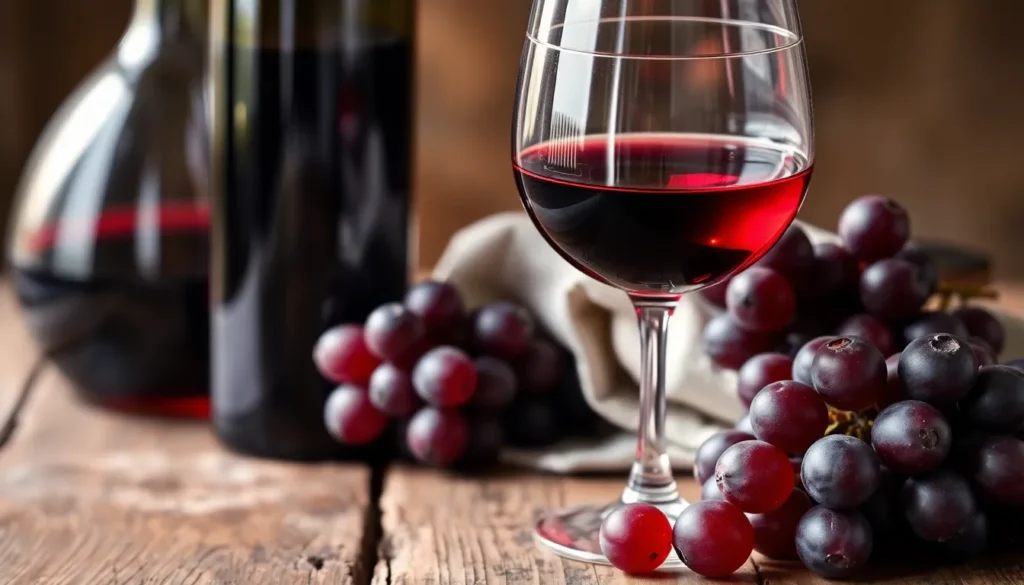
A good red wine is typically defined by attributes such as balance, complexity, and overall quality. It is produced from red or black grape varieties and involves fermentation with grape skins that impart color, tannins, and flavor. The perception of what constitutes good red wine varies depending on personal preferences, cultural context, and expertise. However, certain objective criteria are commonly used to evaluate red wines, including aroma, taste, mouthfeel, and finish.
Detailed Explanation
Red wine quality depends on multiple factors including grape variety, terroir (the environmental conditions where the grapes are grown), vintage (year of harvest), and winemaking techniques. A good red wine typically exhibits a harmonious balance between acidity, tannins, alcohol, and fruit flavors. Complexity is also valued, where the wine offers multiple layers of aromas and tastes that evolve over time. Typical flavor profiles in red wines can include notes of berries, cherries, spices, herbs, earthiness, and oak-derived elements if barrel aging is used.
How It Works
Red wine production begins with harvesting grapes, followed by fermentation with the skins to extract color and tannins. The quality of the grapes at harvest is critical and depends on factors such as grape maturity, weather, and vineyard management. Once fermented, the wine may be aged in stainless steel tanks, oak barrels, or bottles. Aging influences the development of flavors and tannin integration. Tasting a red wine involves assessing its appearance, aroma, taste, mouthfeel, and the length of the finish. Each aspect provides insight into the wine’s quality and character.
Examples
- Cabernet Sauvignon: Known for its full body, high tannins, and flavors of blackcurrant, cedar, and tobacco, it is often considered a benchmark for good red wines.
- Pinot Noir: Typically lighter in color and body, it is prized for its delicate aromas of red fruits, earth, and floral notes, often demonstrating elegance and complexity.
- Merlot: Generally softer and fruit-forward with plum and chocolate notes, it is appreciated for its approachable style and smooth tannins.
Why It Matters
Understanding what makes a good red wine aids consumers in making informed choices suited to their taste preferences and occasions. It also supports appreciation of the craftsmanship involved in viticulture and winemaking. For producers, maintaining high standards in grape growing and winemaking processes ensures market reputation and economic sustainability.
Common Misconceptions
Misconception: Expensive red wines are always better.
Correction: Price is not always an indicator of quality; many affordable wines offer excellent balance and complexity.
Misconception: Good red wines must be aged for many years.
Correction: While aging can improve certain wines, many red wines are crafted to be enjoyed young and fresh.
Pros and Cons
Pros: Good red wines provide a rich sensory experience, can pair well with a variety of foods, and may offer health benefits in moderation due to antioxidants.
Cons: Personal taste varies widely, making some good red wines less enjoyable to certain individuals; also, high tannin content can be off-putting for some.
Comparison Table
| Aspect | Good Red Wine | Alternative/Related Topic (White Wine) |
|---|---|---|
| Meaning | Wine made from dark-colored grape varieties with balanced flavor and structure | Wine made from green or yellow grapes, typically lighter and crisper |
| Typical Flavor Profile | Berry, spice, earth, tannins | Citrus, floral, mineral notes |
| Body | Medium to full | Light to medium |
| Aging Potential | Often suitable for aging | Usually consumed young |
Decision Checklist
What is the easiest way to understand what makes a good red wine?
The simplest approach is to taste a variety of red wines from different regions and grape varieties while paying attention to balance, aroma, flavor complexity, and personal enjoyment. Comparing these factors helps develop an understanding of what qualities resonate best with individual preferences.
FAQ
What makes a red wine 'good'?
A good red wine typically has a balance of acidity, tannins, alcohol, and fruit flavors, with complexity and a pleasant finish.
Can a cheap red wine still be good?
Yes, price does not always correlate with quality; many affordable red wines offer excellent taste and balance.
How should I store red wine to maintain its quality?
Red wine should be stored in a cool, dark place with consistent temperature, ideally between 12-18°C (55-65°F), lying on its side if corked to keep the cork moist.
Leave a Reply