
Short Answer
Overview
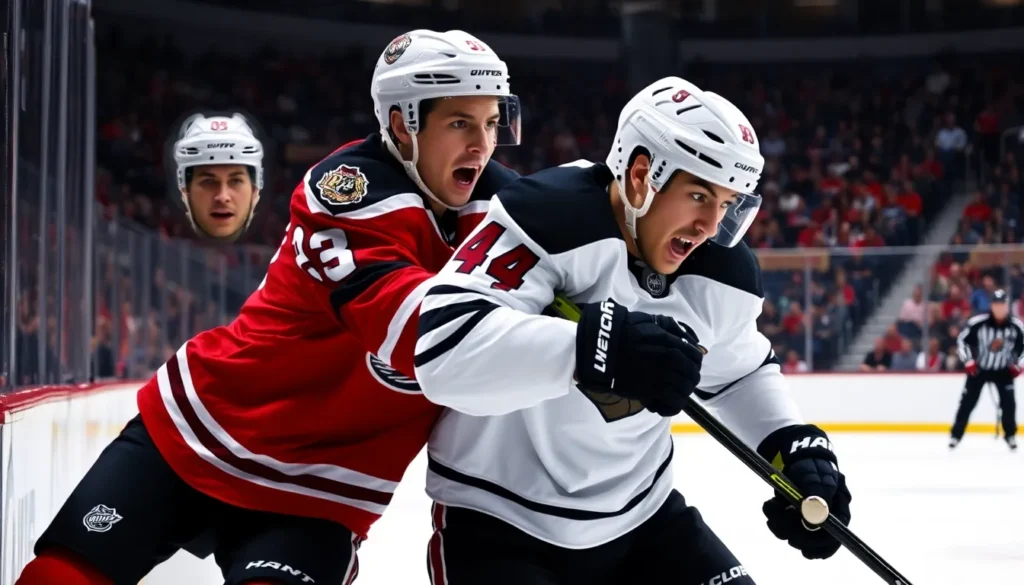
A hit in hockey refers to a physical action where one player uses their body to impede, check, or separate an opposing player from the puck. It is an integral component of the sport, providing a means of defense and influencing the flow of the game. Hits are typically delivered using the shoulder, hips, or upper body and are intended to disrupt the opponent’s control or possession of the puck without causing injury or committing fouls. The rules governing hits are designed to balance the physical nature of hockey with player safety.
Detailed Explanation
Hitting in hockey is a controlled form of body contact, often called “body checking,” that aims to separate an opponent from the puck or slow down their progress. Hits can vary in intensity, from light nudges to more forceful impacts. The legality of a hit depends on factors such as the point of contact, timing, and whether the hit is directed at the puck carrier or a player without possession.
According to hockey regulations, a hit must be delivered using the torso or shoulder area, and it must not target the opponent’s head or involve the use of the stick or elbows in an unsafe manner. Illegal hits, such as boarding, charging, or hits from behind, are penalized to maintain player safety. The enforcement of these rules can vary between leagues but generally aims to reduce injuries and promote fair play.
How It Works
A hit is executed when a player approaches an opponent who is controlling or pursuing the puck and uses their body to create physical separation. The player delivering the hit uses positioning, timing, and balance to maximize effectiveness while minimizing penalties. The receiving player may be knocked off balance, lose puck possession, or be forced to change direction.
Players must be aware of their surroundings and the rules to avoid penalties. Proper technique involves targeting the opponent’s midsection or shoulder, avoiding contact with the head or from behind, and ensuring the hit is part of a legitimate hockey play. Referees monitor hits closely during games, assessing their legality based on these criteria.
Examples
- A player skating alongside an opponent with the puck delivers a shoulder-to-shoulder hit to separate them and regain puck possession.
- During a defensive play, a player executes a hip check to knock an opponent off balance and disrupt their offensive advance.
- An illegal hit from behind results in a penalty after a player strikes an opponent who is unaware and vulnerable near the boards.
Why It Matters
Hits are a fundamental part of hockey’s physical and strategic dimensions. They contribute to defensive success by forcing turnovers and limiting the opponent’s offensive options. Properly executed hits can energize a team and influence momentum. Additionally, the regulation of hits plays a crucial role in maintaining player safety and the overall integrity of the sport.
Common Misconceptions
Misconception: All hits in hockey are illegal and dangerous.
Correction: While hockey is a physical sport, many hits are legal and regulated to ensure player safety. Rules prohibit dangerous hits but allow controlled physical play.
Misconception: A hit is the same as a fight.
Correction: A hit is a strategic body check to gain puck control, whereas a fight involves physical altercations with punches and is penalized under the rules.
Pros and Cons
Pros: Hits can disrupt opponents, reclaim puck possession, and influence game momentum. They add a physical element that is traditional to the sport.
Cons: Improperly executed or illegal hits can cause injuries and result in penalties, potentially harming players and impacting team performance negatively.
Comparison Table
| Aspect | Hit in Hockey | Alternative/Related Topic: Fighting in Hockey |
|---|---|---|
| Meaning | Legal body contact to separate opponent from puck | Physical altercation involving punches and fighting rules |
| Purpose | Defensive tactic to regain puck control | Often a response to conflict or intimidation |
| Legality | Regulated and allowed within rules | Penalized but often tolerated to some extent |
| Risk | Can cause injuries if illegal or mistimed | High risk of injury and penalties |
Decision Checklist
What is the easiest way to understand a Hit in Hockey?
The easiest way to understand a hit in hockey is to view it as a strategic, physical play where a player uses their body to legally and safely separate an opponent from the puck, without resorting to dangerous or illegal contact. Visual examples from games showing shoulder-to-shoulder contact help clarify this concept.
FAQ
What constitutes a legal hit in hockey?
A legal hit in hockey is one delivered using the shoulder or upper body to an opponent controlling or pursuing the puck, without targeting the head, delivering from behind, or using the stick or elbows in a dangerous manner.
Are all hits in hockey allowed?
No. Hits that are deemed dangerous, such as hits to the head, from behind, or boarding, are illegal and result in penalties to protect player safety.
Can a hit be delivered to a player without the puck?
Generally, hits are allowed on puck carriers or immediate pursuers; hitting a player who has no involvement with the puck may be penalized depending on the situation and league rules.



Leave a Reply