
Short Answer
Overview
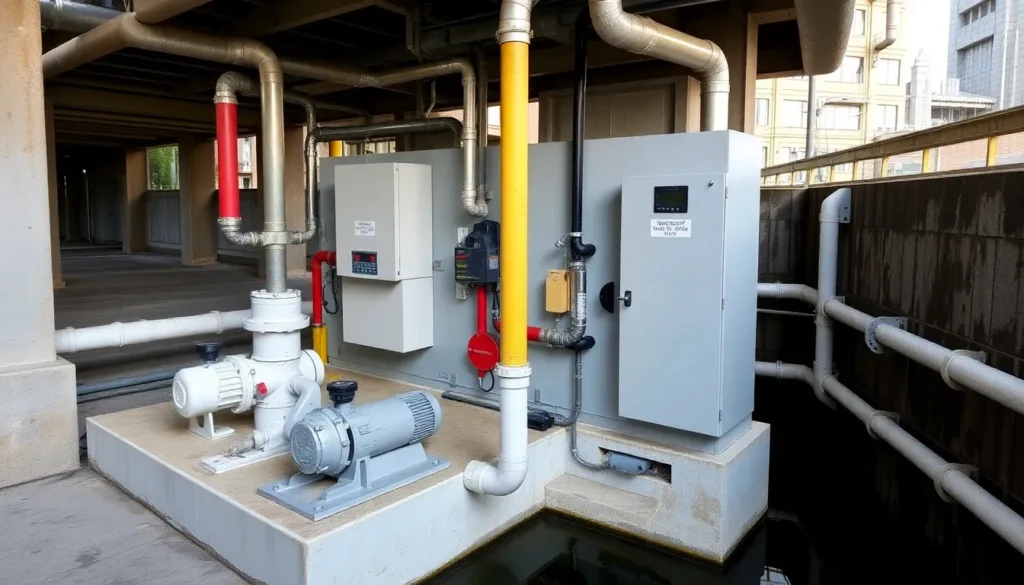
A lift station is an integral component of a wastewater or sewage system designed to move liquids from a lower elevation to a higher elevation. This is particularly necessary in areas where gravity alone cannot facilitate the flow of wastewater or sewage to treatment plants or other discharge points. Lift stations ensure the continuous and controlled movement of fluids, preventing backflow and system overflow.
Detailed Explanation
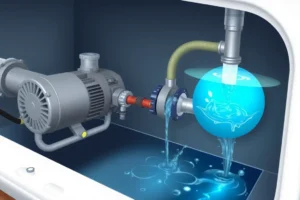
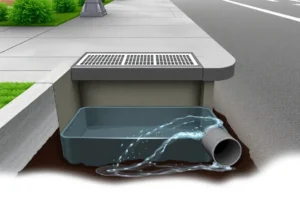
Lift stations, also known as pumping stations, consist primarily of a wet well, pumps, and associated control equipment. The wet well is a basin where wastewater collects before being pumped out. When the fluid level in the wet well reaches a predetermined point, pumps activate to move the fluid through force mains or pressure pipes to a higher elevation or downstream gravity-fed system.
These stations are vital in municipal sewage systems, stormwater management, and industrial fluid handling. They accommodate changes in terrain and ensure that fluids reach treatment facilities even in flat or low-lying areas. The design of lift stations varies depending on factors such as flow rate, fluid composition, and system layout.
How It Works
The operation of a lift station begins with wastewater entering the wet well by gravity or other means. Sensors monitor the fluid level, and upon reaching a set threshold, the pumps are triggered to start. The pumps then transport the fluid through pressurized pipes to a higher elevation or a point where gravity flow resumes. Once the fluid level drops below a certain limit, the pumps shut off to conserve energy and reduce wear.
Modern lift stations often include automated control systems and alarms to monitor pump function, fluid levels, and potential faults. Backup power supplies may be installed to ensure operation during electrical outages, preventing system backups and overflows.
Examples
- Municipal Sewage Lift Stations: Used to move sewage from residential and commercial areas to treatment plants, especially in regions with uneven terrain.
- Stormwater Lift Stations: Employed to transfer rainwater collected in low-lying urban areas to drainage systems or natural water bodies.
- Industrial Lift Stations: Used in manufacturing or processing plants to move various liquid wastes or process fluids where gravity flow is inadequate.
Common Misconceptions
Misconception: Lift stations are only used for sewage systems.
Correction: While primarily associated with sewage, lift stations are also used in stormwater management and various industrial fluid handling applications.
Misconception: Lift stations operate continuously.
Correction: Lift stations typically operate on a level-based control system, activating pumps only when fluid reaches specific thresholds to optimize energy use.
Pros and Cons
Comparison Table
| Aspect | Lift Station | Gravity Sewer System |
|---|---|---|
| Meaning | A pumping facility that moves wastewater or fluids to higher elevations. | A system where wastewater flows naturally downhill by gravity. |
| Operation | Mechanical pumps activated by fluid levels. | Relies on terrain slope and pipe design. |
| Energy Use | Requires electrical power for pumps. | No external power needed. |
| Maintenance | Regular mechanical and electrical maintenance needed. | Minimal mechanical maintenance, mainly pipe upkeep. |
| Application | Used where gravity flow is insufficient. | Used in areas with adequate slope. |
Decision Checklist
- Use this if your wastewater system must move fluids uphill or through flat terrain where gravity flow is not possible.
- Avoid this if your system has sufficient slope to rely solely on gravity flow, reducing mechanical complexity and costs.
- Check this first by assessing the topography and flow requirements to determine if a lift station is necessary.
What is the easiest way to understand a Lift Station?
The easiest way to understand a lift station is to think of it as a pump that lifts water or sewage from a lower point to a higher point so that it can continue flowing by gravity. It acts like a booster in a system where natural downhill flow isn’t possible, ensuring that wastewater reaches treatment plants efficiently and safely.
FAQ
Why are lift stations necessary in sewage systems?
Lift stations are necessary when wastewater cannot flow by gravity due to flat terrain or elevation changes. They pump the sewage to a point where gravity flow resumes or directly to a treatment facility.
How often do lift stations require maintenance?
Regular maintenance is recommended, often quarterly or biannually, to inspect pumps, electrical components, and control systems to prevent failures and ensure efficient operation.
What happens if a lift station loses power?
Without backup power, pump operation ceases, potentially causing sewage backups or overflows. Many lift stations include emergency generators or battery backups to mitigate this risk.

Leave a Reply