
Short Answer
Overview
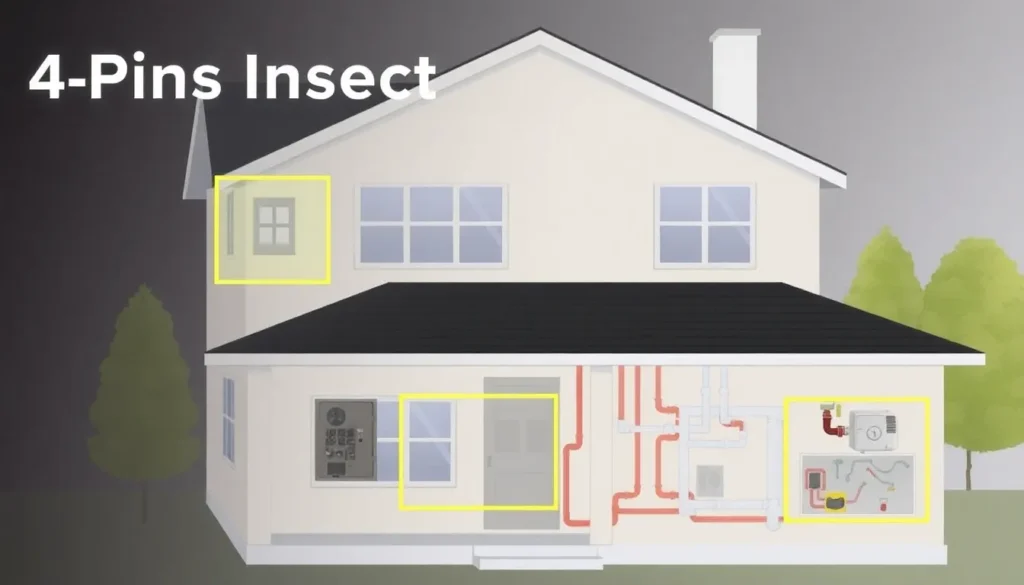
A 4 point inspection is a specialized property inspection that concentrates on four primary components of a residential home: the roof, electrical system, plumbing system, and heating, ventilation, and air conditioning (HVAC) system. This inspection is often performed to inform insurance companies about the condition and potential hazards of a property before issuing or renewing insurance coverage. It differs from a general home inspection by its narrower focus and is typically required for older homes or those with certain insurance underwriting considerations.
Detailed Explanation
The 4 point inspection evaluates the current state and functionality of four critical areas that are likely to cause insurance claims if they fail. The roof assessment includes examining the age, type, and condition to determine if it poses a risk of leaks or structural damage. The electrical system review looks at wiring types, panel condition, and compliance with safety standards. The plumbing inspection assesses pipes, fixtures, and potential water damage risks. Finally, the HVAC system evaluation inspects heating and cooling equipment for proper operation and safety.
How It Works
A licensed inspector or qualified professional conducts the 4 point inspection by visiting the property and performing a visual and functional assessment of each system. The process usually takes one to two hours depending on the property’s size and condition. After the inspection, a detailed report is prepared and provided to the homeowner or insurance company. This report highlights any deficiencies, immediate concerns, or recommendations for repairs or upgrades necessary to reduce risks.
Examples
- A homeowner with a 40-year-old roof may require a 4 point inspection to verify if the roof is still sound and not prone to leaks before insurance renewal.
- An insurance company might request a 4 point inspection for a house with outdated knob-and-tube wiring to assess fire hazards.
- In a property with an older plumbing system, a 4 point inspection can reveal potential issues such as galvanized pipes that may corrode and cause leaks.
Pros and Cons
Pros:
- Provides focused evaluation of critical home systems relevant to insurance underwriting.
- Helps identify potential hazards early, potentially preventing costly claims.
- Typically faster and less expensive than a full home inspection.
Cons:
- Limited scope may overlook other important home issues unrelated to the four systems.
- May require follow-up inspections or repairs based on findings.
- Not standardized nationwide; requirements can vary by insurer or region.
Comparison Table
| Aspect | 4 Point Inspection | Full Home Inspection |
|---|---|---|
| Meaning | Focused assessment of roof, electrical, plumbing, and HVAC systems primarily for insurance purposes. | Comprehensive evaluation of a home’s overall condition including structure, systems, and components. |
| Scope | Narrow, four key systems. | Broad, entire property. |
| Purpose | Insurance underwriting and risk assessment. | Homebuyer information and maintenance planning. |
| Time Required | 1-2 hours. | Several hours, depending on home size. |
| Cost | Generally lower cost. | Typically higher cost. |
Decision Checklist
- Use this if you need a quick assessment for insurance purposes or to confirm the condition of key home systems.
- Avoid this if you require a comprehensive evaluation of the entire property prior to purchase or renovation.
- Check this first with your insurance provider to determine if a 4 point inspection is required for your home policy.
What is the easiest way to understand a 4 Point Inspection?
The easiest way to understand a 4 point inspection is to think of it as a focused health checkup for a home’s roof, electrical, plumbing, and HVAC systems. Rather than a full physical, it targets the most common areas that might cause insurance claims or safety issues, providing a snapshot of their current condition.
FAQ
Why is a 4 point inspection required?
A 4 point inspection is typically required by insurance companies to assess the condition and potential risks of key systems in older homes before issuing or renewing a policy.
How often should a 4 point inspection be done?
Usually, a 4 point inspection is requested when a home is older than a certain age or when an insurance policy is being renewed, but frequency depends on insurer requirements and local regulations.
Does a 4 point inspection replace a full home inspection?
No, a 4 point inspection is more limited in scope and focuses only on four specific systems. A full home inspection provides a comprehensive evaluation of the entire property.



Leave a Reply