
Short Answer
Overview
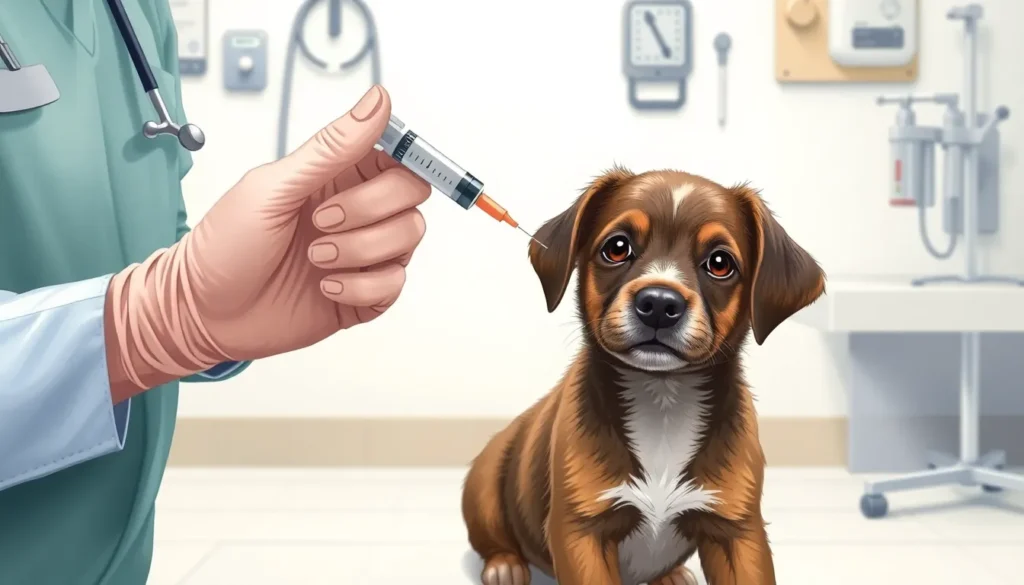
A distemper shot is a vaccine given to dogs to prevent canine distemper, a serious viral disease caused by the canine distemper virus (CDV). This disease affects a dog’s respiratory, gastrointestinal, and nervous systems and can be fatal, particularly in puppies and unvaccinated dogs. The distemper vaccine is a vital part of routine canine immunization schedules and is often administered in combination with vaccines for other diseases.
Detailed Explanation
Canine distemper is a highly contagious viral illness that spreads through airborne exposure (coughing, sneezing) or direct contact with infected bodily fluids. The distemper shot stimulates the dog’s immune system to produce antibodies against the virus, thereby providing immunity. Vaccines used are typically either modified live virus (MLV) vaccines or recombinant vaccines, both designed to provoke a safe immune response without causing the disease.
Vaccination usually begins at 6 to 8 weeks of age with a series of shots given every 3 to 4 weeks until the puppy reaches about 16 weeks of age. Adult dogs require booster shots at intervals recommended by veterinarians to maintain immunity.
How It Works
The distemper vaccine works by introducing a weakened or genetically engineered form of the virus to the dog’s immune system. This exposure trains the immune system to recognize and remember the virus. If the dog is later exposed to the actual canine distemper virus, its immune system can respond rapidly and effectively, neutralizing the threat before the disease develops.
Vaccines that combine protection against multiple diseases—often including distemper, adenovirus, parvovirus, and parainfluenza—are common, simplifying the vaccination process and broadening protection.
Examples
- A young puppy receives a series of distemper shots starting at 6 weeks old, completing the series by 16 weeks to ensure full immunity during early development.
- An adult dog receives a distemper booster shot every three years to maintain protective immunity.
- In shelters or kennels, dogs are vaccinated upon entry to reduce the risk of distemper outbreaks among densely housed animals.
Pros and Cons
- Pros: Provides effective protection against a deadly disease; reduces canine distemper outbreaks; part of standard preventive veterinary care; often combined with other vaccines for convenience.
- Cons: Possible mild side effects such as soreness or mild fever; requires multiple doses in puppies; does not guarantee 100% immunity in all cases; rare allergic reactions can occur.
Comparison Table
| Aspect | Distemper Shot | Alternative/Related Topic (Rabies Vaccine) |
|---|---|---|
| Meaning | Vaccine to prevent canine distemper virus infection | Vaccine to prevent rabies virus infection |
| Target Disease | Canine distemper | Rabies |
| Common Age of Administration | 6-8 weeks old (puppies), with boosters | Typically after 12 weeks old, then boosters |
| Vaccine Type | Modified live or recombinant virus | Inactivated (killed) virus |
| Frequency of Boosters | Every 1-3 years depending on protocol | Every 1-3 years depending on law |
Decision Checklist
- Use this if you want to protect your dog from canine distemper virus, especially for puppies or dogs in high-risk environments.
- Avoid this if your dog has a known allergy to vaccine components or is currently ill; consult a veterinarian in such cases.
- Check this first with your veterinarian about your dog’s vaccination history, health status, and local disease risks before administration.
What is the easiest way to understand a Distemper Shot?
A distemper shot can be understood as a preventive injection that helps a dog’s body recognize and fight off a dangerous virus called canine distemper, much like a training exercise for the immune system to prepare it against future attacks.
FAQ
What is a distemper shot?
A distemper shot is a vaccine given to dogs to protect them against the canine distemper virus, which can cause severe illness or death.
When should a puppy receive a distemper shot?
Puppies typically start receiving distemper vaccinations between 6 to 8 weeks of age, with booster shots every 3 to 4 weeks until about 16 weeks old.
Are there side effects from the distemper vaccine?
Most dogs tolerate the distemper shot well, but some may experience mild side effects such as soreness at the injection site or a slight fever. Serious reactions are rare.





Leave a Reply