
Short Answer
Overview
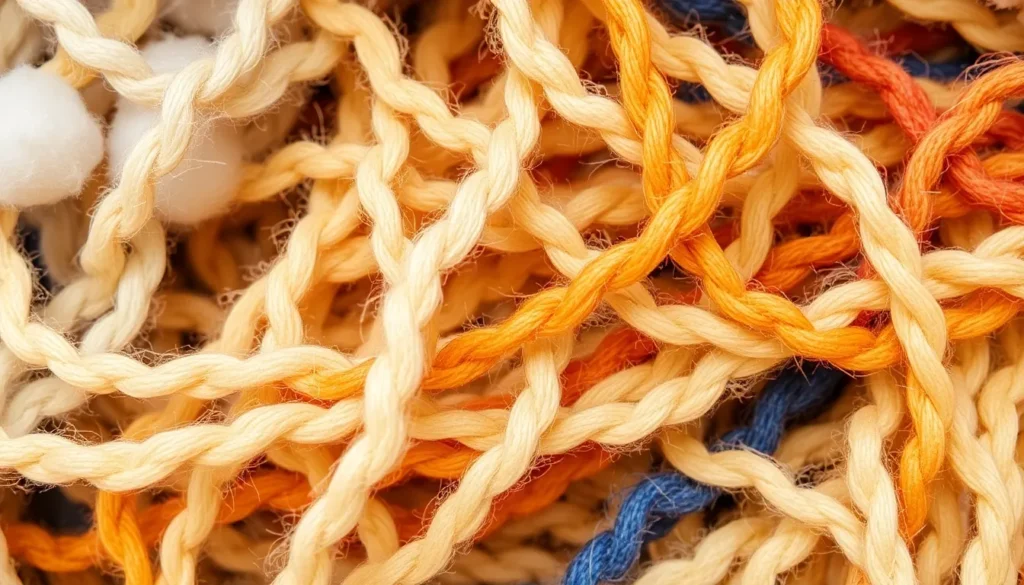
A fiber in the context of textiles refers to a slender, elongated natural or synthetic material that can be spun into yarn or thread and woven, knitted, or bonded to form fabric. Fibers are the fundamental building blocks of textile products, and their physical and chemical properties directly impact the quality, durability, and texture of the final fabric. They vary greatly in length, fineness, strength, and absorbency.
Detailed Explanation
Textile fibers are classified primarily into two categories: natural fibers and man-made fibers. Natural fibers originate from plants, animals, or minerals. Examples include cotton (plant-based), wool (animal-based), and asbestos (mineral-based). Man-made fibers, often termed synthetic fibers, are chemically manufactured through polymerization processes and include materials such as polyester, nylon, and acrylic.
Fibers can also be categorized based on their staple length, which refers to the length of individual fibers. Staple fibers are short and need to be spun together to form yarn, whereas filament fibers are continuous and can be used as is or cut into staple lengths. The physical characteristics such as fiber diameter, length, crimp (waviness), and surface texture influence the fiber’s behavior during processing and the properties of the resultant textile.
How It Works
Fibers are processed into textiles through several steps. Initially, fibers are cleaned and aligned by carding or combing. They are then spun into yarns by twisting, which imparts strength and coherence. These yarns are subsequently used to create fabrics through weaving, knitting, or other methods. The type of fiber influences the ease of processing and the performance attributes of the fabric, such as breathability, moisture management, elasticity, and thermal insulation.
The chemical composition of fibers also determines their reaction to dyes, finishes, and environmental factors like light and moisture. For instance, cotton readily absorbs dyes due to its cellulose content, whereas synthetic fibers may require different dyeing processes.
Examples
- Cotton: A natural cellulose fiber derived from the seed hairs of the cotton plant, valued for its softness and breathability.
- Wool: An animal fiber obtained from sheep, known for its insulating properties and elasticity.
- Silk: A natural protein fiber produced by silkworms, prized for its sheen and smooth texture.
- Polyester: A synthetic polymer fiber widely used for its strength, wrinkle resistance, and quick drying.
- Nylon: A synthetic fiber noted for its durability and elasticity, commonly used in hosiery and activewear.
Why It Matters
Understanding what fibers are and their properties is fundamental in the textile industry because the choice of fiber affects the manufacturing process, environmental impact, cost, and performance of textile products. Different fibers cater to diverse applications, from apparel to industrial uses, and influence sustainability considerations such as biodegradability and resource consumption.
Common Misconceptions
Misconception: All fibers are natural.
Correction: Fibers can be natural or synthetic; many widely used textile fibers are man-made through chemical processes.
Misconception: Synthetic fibers are always inferior to natural fibers.
Correction: Synthetic fibers can offer advantages such as greater durability, moisture resistance, and ease of care, though they differ in feel and environmental impact.
Pros and Cons
Pros: Fibers provide the essential raw material for textile production, allowing for a wide range of fabric types and qualities. Different fibers offer diverse properties suited to various uses, including comfort, strength, and aesthetics.
Cons: Some fibers, especially synthetic ones, can have environmental downsides such as non-biodegradability and reliance on petrochemicals. Natural fibers may require significant water and land resources and can be susceptible to pests and degradation.
Comparison Table
| Aspect | Fiber (Textiles) | Alternative/Related Topic |
|---|---|---|
| Meaning | Basic raw material—natural or synthetic—used to produce yarns and fabrics. | Yarn: Continuous strands made from fibers used to weave or knit fabrics. |
| Origin | Natural (plant, animal, mineral) or synthetic (man-made polymers). | Fabric: Material made by weaving or knitting yarns. |
| Length | Staple (short) or filament (long). | Thread: A type of yarn but usually finer, used for sewing. |
Decision Checklist
What is the easiest way to understand a fiber in textiles?
The easiest way to understand a fiber in textiles is to think of it as the fundamental thread-like element that, when combined and processed, creates the fabrics and materials used in clothing, upholstery, and other textile goods. Recognizing the difference between natural and synthetic fibers and their properties helps clarify how textiles are designed and manufactured.
FAQ
What distinguishes natural fibers from synthetic fibers?
Natural fibers are obtained from plants, animals, or minerals, while synthetic fibers are man-made through chemical processes involving polymers.
Why are fiber properties important in textiles?
Fiber properties like length, strength, and texture determine how fibers can be processed and influence the characteristics of the final fabric such as durability, softness, and appearance.
Can fibers be recycled?
Some fibers, especially synthetic ones like polyester, can be recycled to create new textile products, although the recycling process and efficiency vary by fiber type.





Leave a Reply