
Short Answer
Overview
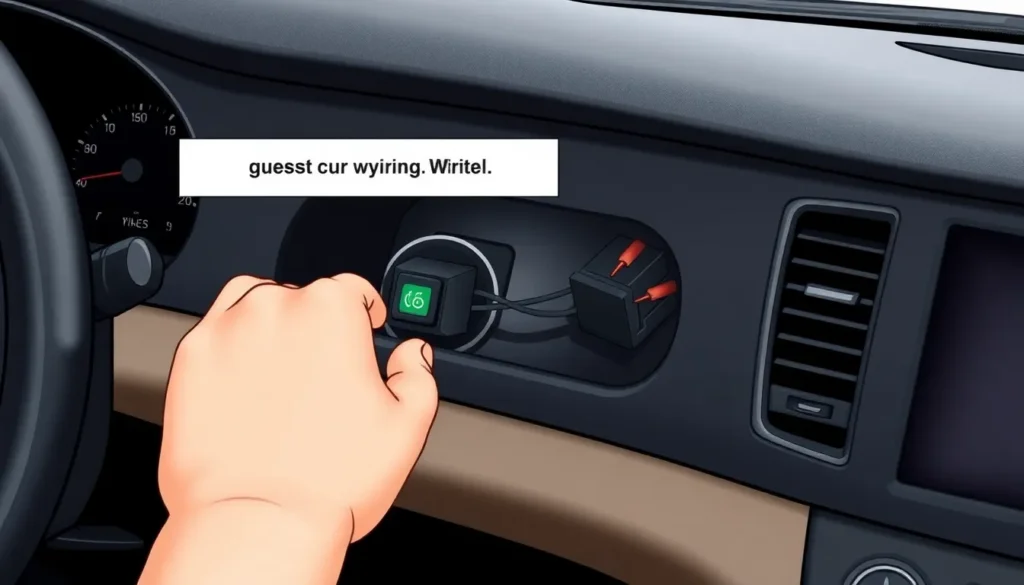
A kill switch in a car is an electrical or mechanical device that enables the driver or owner to quickly disable the vehicle’s engine or electrical system. Its primary function is to prevent unauthorized operation, theft, or accidental starting of the vehicle. Kill switches can be either factory-installed or aftermarket additions and vary in complexity depending on the application.
Detailed Explanation
Kill switches are commonly used as an anti-theft measure by interrupting critical systems necessary for the vehicle to operate. These systems may include the ignition circuit, fuel pump, or starter motor. When activated, the kill switch stops the flow of electricity or fuel, rendering the engine unable to start or run. Some modern vehicles incorporate electronic immobilizers that perform similar functions but with more advanced security features.
How It Works
A kill switch is typically connected inline with the vehicle’s ignition wiring or fuel system. When the switch is engaged (turned on or off depending on the design), it breaks the electrical circuit or fuel flow, stopping the engine from starting or continuing to run. The switch may be hidden or disguised to prevent easy discovery by potential thieves. Activation of a kill switch usually requires a key, code, or manual operation, depending on the system’s sophistication.
Examples
- Basic toggle switch: A simple mechanical switch installed under the dashboard that interrupts the ignition circuit when flipped.
- Fuel pump kill switch: A switch that disables the fuel pump relay, preventing fuel delivery to the engine.
- Electronic immobilizer: An integrated system that disables engine management unless the correct electronic key or code is detected.
Why It Matters
Kill switches help reduce vehicle theft by adding a layer of security that is difficult for thieves to bypass without knowledge of the switch’s location or operation. They also provide a quick method to shut down the engine in emergency situations, such as mechanical failure or fire, potentially preventing damage or injury.
Common Misconceptions
Misconception: A kill switch can damage the vehicle’s electrical system.
Correction: When properly installed, kill switches are designed to safely interrupt circuits without causing damage.
Misconception: Kill switches are only for high-end or luxury vehicles.
Correction: Kill switches can be installed on virtually any vehicle and are often used in both economy and performance cars for security.
Pros and Cons
Comparison Table
| Aspect | Kill Switch | Electronic Immobilizer |
|---|---|---|
| Meaning | Manual or electronic device to disable engine or fuel system | Integrated electronic system that prevents engine start without correct key or code |
| Installation | Can be aftermarket or factory-installed, often manual | Factory-installed, part of vehicle’s security system |
| Operation | Activated by switch, key, or button | Automatically operates based on key recognition |
| Security Level | Moderate, depends on concealment and complexity | High, uses encrypted electronic communication |
Decision Checklist
- Use this if: You want an additional layer of vehicle theft prevention or emergency engine shutdown capability.
- Avoid this if: You lack electrical knowledge for safe installation or need an integrated factory security system.
- Check this first: Vehicle warranty terms, installation compatibility, and whether your car already has an immobilizer.
What is the easiest way to understand a Kill Switch in a Car?
The simplest way to understand a kill switch in a car is to think of it as an on/off switch that can instantly stop the engine or fuel supply, preventing the car from running. It is a safety and security tool that interrupts essential systems to disable the vehicle when activated.
FAQ
Can a kill switch prevent all car thefts?
While a kill switch can significantly reduce the risk of theft by disabling the engine or fuel system, it cannot guarantee complete prevention, especially if the switch is poorly concealed or bypassed by skilled thieves.
Is installing a kill switch legal?
In most jurisdictions, installing a kill switch is legal as long as it does not interfere with vehicle safety systems or emissions controls. It is advisable to check local laws and regulations before installation.
Does a kill switch affect the vehicle warranty?
Aftermarket installation of a kill switch can potentially void portions of the vehicle’s warranty, particularly if it causes electrical issues. Factory-installed systems typically do not affect warranties.


Leave a Reply