
Short Answer
Overview
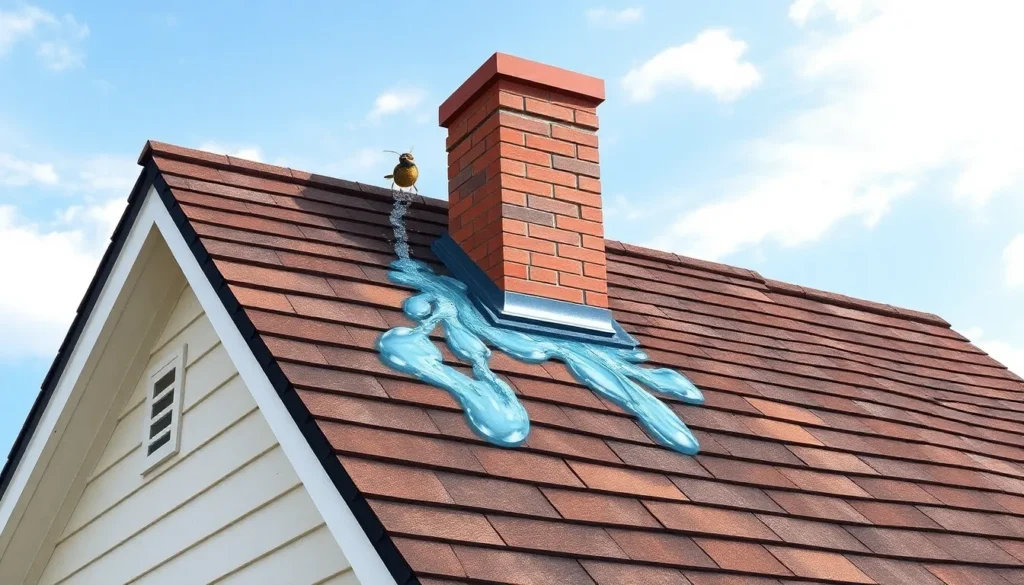
A chimney cricket, also referred to as a saddle, is a peaked structure installed on the roof behind a chimney to divert water, snow, and debris away from the chimney’s base. Its primary function is to prevent water accumulation around the chimney flashing and the roof junction, which can lead to leaks and damage. Chimney crickets are common in regions with heavy rainfall or snowfall, where water runoff management is crucial to maintaining a roof’s integrity.
Detailed Explanation
Chimney crickets are typically constructed from the same materials as the roof, such as shingles, metal, or asphalt, and are designed to blend seamlessly with the roofline. The structure is triangular in shape, forming a ridge that directs water on either side of the chimney. The size and slope of the cricket depend on the chimney’s width and the roof’s pitch. By channeling water away, the cricket reduces the likelihood of water pooling, which can deteriorate roofing materials and compromise the chimney flashing seal.
How It Works
The chimney cricket works by creating a raised ridge that forces water and debris to flow around the sides of the chimney rather than accumulating at its base. When rain or melted snow reaches the roof, the cricket’s sloped design ensures that water is directed toward the roof’s drainage system. This redirection minimizes the risk of water seeping into the roof deck or chimney structure, which could cause rot, mold, or structural damage over time.
Examples
- Residential homes in northern climates often incorporate chimney crickets to manage heavy snowmelt runoff.
- Commercial buildings with large chimney stacks may use metal chimney crickets designed for durability and ease of maintenance.
- Historic homes with masonry chimneys sometimes retrofit chimney crickets to improve water drainage without altering the building’s aesthetic.
Why It Matters
Chimney crickets are important because they extend the lifespan of roofing and chimney structures by preventing water infiltration and damage. Water accumulation around chimneys is a common cause of leaks, rot, and costly repairs. By facilitating proper drainage, chimney crickets help maintain the building’s structural integrity and reduce maintenance expenses over time.
Common Misconceptions
Misconception: Chimney crickets are decorative features.
Correction: While chimney crickets can be designed to blend aesthetically with the roof, their primary purpose is functional—directing water away from the chimney.
Misconception: All chimneys require a cricket.
Correction: Only chimneys located on sloped roofs with potential water pooling issues typically need crickets; flat roofs or small chimneys may not require them.
Pros and Cons
Pros:
- Effectively prevents water accumulation and leaks around chimneys.
- Protects roofing materials and chimney flashing from damage.
- Can be constructed to match roofing materials and style.
Cons:
- Installation can be complex and may require professional roofing expertise.
- Improperly installed crickets can cause drainage issues or roof damage.
- May add to roofing costs due to additional materials and labor.
Comparison Table
| Aspect | Chimney Cricket | Alternative/Related Topic: Chimney Flashing |
|---|---|---|
| Meaning | A peaked structure behind a chimney to divert water away from its base. | Metal or other material used to seal joints between chimney and roof to prevent leaks. |
| Function | Redirects water runoff to prevent pooling and damage. | Seals gaps to prevent water penetration. |
| Material | Typically roofing shingles, metal, or asphalt. | Usually metal such as aluminum, copper, or galvanized steel. |
| Installation Location | Behind the chimney on the roof surface. | At the joint between chimney and roof. |
Decision Checklist
What is the easiest way to understand Chimney Cricket?
The easiest way to understand a chimney cricket is to think of it as a small roof built behind a chimney that helps water flow around the chimney instead of collecting there. This simple addition helps prevent leaks and damage by keeping water moving off the roof properly.
FAQ
Why is a chimney cricket necessary?
A chimney cricket is necessary to prevent water from pooling behind the chimney, which can cause leaks and damage to the roof and chimney structure.
Can a chimney cricket be added to an existing roof?
Yes, a chimney cricket can be retrofitted to an existing roof, although it may require professional installation to ensure proper fit and drainage.
What materials are used to build chimney crickets?
Chimney crickets are commonly constructed from roofing shingles, metal, or asphalt to match the existing roof materials and ensure durability.



Leave a Reply