
Short Answer
Overview
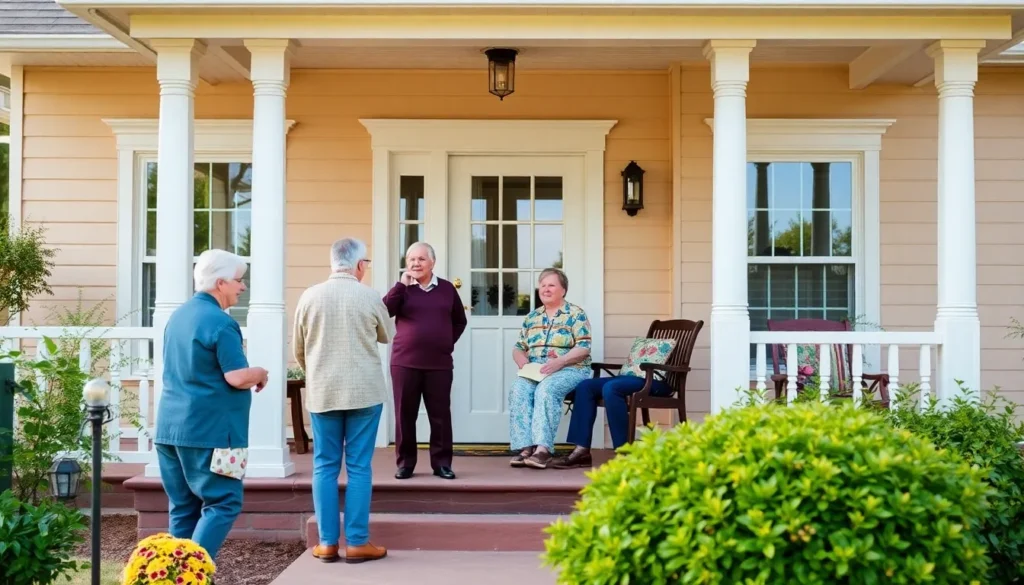
A boarding home is a type of residential facility that offers lodging, meals, and sometimes personal care services to adults who may need assistance with daily activities but do not require the intensive medical care of a nursing home. These homes serve as an alternative to living independently or in more institutionalized care settings, providing a supportive environment with various levels of supervision and assistance.
Detailed Explanation
Boarding homes typically accommodate a small number of residents, often in a residential-style setting that fosters a sense of community and personal interaction. Unlike assisted living facilities or nursing homes, boarding homes generally provide fewer medical services, focusing instead on basic support such as meal preparation, housekeeping, and help with personal care tasks like bathing or dressing when needed.
The regulatory requirements and services offered by boarding homes can vary significantly depending on the country or region. Some are privately owned and operated, while others may be managed by nonprofit organizations or government agencies. The cost of residing in a boarding home is usually lower than in more medically intensive care facilities.
How It Works
Individuals who choose boarding homes typically enter into a rental or residency agreement that outlines the services provided, costs, and house rules. Residents receive private or shared rooms, meals, and access to common areas. Staff members may be available to assist with daily activities, medication reminders, and transportation to medical appointments but usually do not provide skilled nursing care.
Boarding homes often emphasize social interaction and community involvement, encouraging residents to participate in group activities and maintain a degree of independence. The level of care can be tailored to the resident’s needs, but residents requiring extensive medical supervision are generally referred to other care settings.
Examples
- A small, family-run boarding home providing room and board for elderly individuals who need assistance with meals and personal hygiene but remain largely independent.
- A licensed boarding home for adults with developmental disabilities offering supervised living with access to daily support and community activities.
- A boarding home for individuals recovering from substance abuse, combining lodging with routine support and counseling services.
Why It Matters
Boarding homes fill an important niche in the continuum of care by offering a residential option that balances independence with assistance. They provide affordable and less institutionalized living environments for individuals who need support but do not require the level of care found in nursing facilities. This can improve quality of life by promoting social engagement and personal autonomy while ensuring safety and basic care needs are met.
Common Misconceptions
Misconception: Boarding homes are the same as nursing homes.
Correction: Boarding homes generally offer less medical care and supervision than nursing homes, focusing more on room, board, and basic support rather than skilled nursing services.
Misconception: Boarding homes are only for elderly people.
Correction: While many boarding homes serve elderly residents, they can also accommodate adults with disabilities, mental health conditions, or those recovering from various health challenges.
Pros and Cons
Comparison Table
| Aspect | Boarding Home | Assisted Living Facility |
|---|---|---|
| Meaning | Residential home providing lodging, meals, and basic support without extensive medical care. | Facility offering housing, meals, personal care, and some medical oversight for individuals needing assistance. |
| Level of Medical Care | Minimal to none; mostly non-medical support. | Moderate; may include medication management and health monitoring. |
| Size and Setting | Small, often home-like with fewer residents. | Larger, often more institutional with more residents. |
| Cost | Generally lower than assisted living. | Typically higher due to additional services. |
Decision Checklist
- Use this if: You or a loved one need a supportive living environment with basic assistance but do not require intensive medical care.
- Avoid this if: The individual requires skilled nursing, frequent medical supervision, or complex personal care.
- Check this first: Local regulations, available services, and the specific needs of the resident to ensure appropriate care.
What is the easiest way to understand a Boarding Home?
The easiest way to understand a boarding home is to think of it as a shared or private residence where adults live with access to meals and daily assistance, but without the medical complexity of a nursing home. It is designed to offer a homelike environment for those who need some help but want to maintain independence.
FAQ
Who typically lives in a boarding home?
Boarding homes generally accommodate elderly individuals, adults with disabilities, or persons who need assistance with daily living but do not require intensive medical care.
How is a boarding home different from a nursing home?
Boarding homes provide lodging and basic support without the intensive medical and nursing care that nursing homes offer.
Are boarding homes regulated?
Regulations for boarding homes vary by jurisdiction, with some areas requiring licensing and adherence to standards, while others have minimal oversight.





Leave a Reply