
Short Answer
Overview
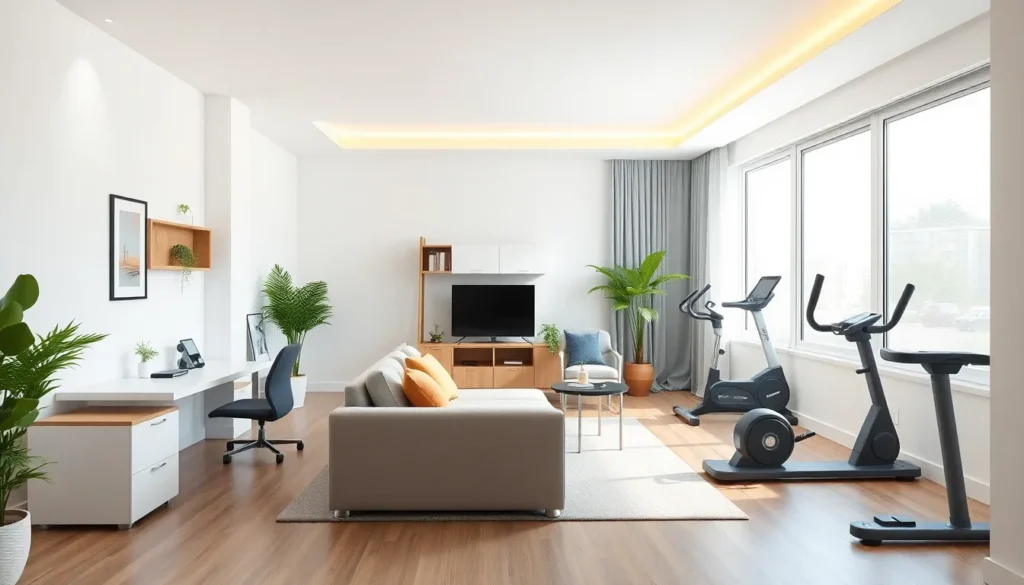
A flex room is a term used in residential architecture and interior design to describe a room that is intended to serve multiple purposes. Unlike rooms designed for a specific function—such as a bedroom, kitchen, or bathroom—a flex room is adaptable, allowing homeowners to modify its use over time as their needs change. The concept promotes efficient use of space and supports changing lifestyles, making it popular in modern home designs.
Detailed Explanation
Flex rooms are generally open or enclosed spaces without fixed furnishings that dictate a single use. They can be found in various parts of a home, including basements, spare rooms, or even open areas on the main floor. The design of a flex room often incorporates neutral features and flexible furniture, enabling it to transition easily between functions such as a home office, playroom, gym, guest bedroom, or media room. The flexibility can be enhanced through movable partitions, modular furniture, and multi-purpose storage solutions.
How It Works
The functionality of a flex room depends largely on its design and the occupant’s requirements. Typically, a flex room is equipped with basic utilities—such as electrical outlets, lighting, and sometimes plumbing—without being tailored to one particular use. This allows residents to customize the space with furniture and accessories that fit their immediate needs. Over time, as family dynamics or personal preferences evolve, the room can be repurposed without major renovations. The key is in the room’s adaptability and lack of permanent fixtures that limit its function.
Examples
- Home Office: A flex room can be set up with a desk, computer, and office supplies, providing a quiet area for remote work or study.
- Guest Bedroom: By adding a sofa bed or a Murphy bed, the flex room can accommodate overnight visitors.
- Playroom: Families with children may use the flex room as a designated space for toys and activities.
- Exercise Room: The room may be equipped with workout equipment and mats for physical fitness routines.
- Hobby or Craft Room: Artists or crafters can use the flex room to store materials and work on projects.
Why It Matters
Flex rooms contribute to efficient space utilization in homes, especially as living spaces become smaller or as family needs change over time. Their adaptability can increase the functional value of a home, allowing occupants to maximize comfort and convenience without costly renovations. Additionally, flex rooms can support remote work trends, multi-generational living, and lifestyle changes, making them increasingly relevant in contemporary housing.
Common Misconceptions
Misconception: A flex room is just another name for a spare bedroom.
Correction: While a flex room can serve as a bedroom, it is not limited to that function and is designed to accommodate multiple potential uses.
Misconception: Flex rooms require expensive remodeling to be useful.
Correction: Flex rooms are typically designed to be functional without significant renovations, relying on adaptable furnishings and minimal fixed installations.
Pros and Cons
Pros: Enhances home versatility; supports changing family needs; can increase property value; reduces need for future remodeling; suitable for various activities.
Cons: May lack dedicated features of specialized rooms; potential underuse if not properly planned; could require additional furnishing investment; ambiguity in purpose may affect resale appeal for some buyers.
Comparison Table
| Aspect | Flex Room | Dedicated Room |
|---|---|---|
| Meaning | A versatile space designed for multiple uses | A room designed for a specific function (e.g., bedroom, office) |
| Design | Neutral and adaptable | Tailored to specific use with fixed features |
| Flexibility | High; easy to repurpose | Low; limited to intended function |
| Cost | Generally lower initial cost; uses versatile furnishing | May require higher costs for specialized fixtures |
| Suitability | Ideal for changing needs and multi-use | Best for consistent, single-purpose use |
Decision Checklist
What is the easiest way to understand a Flex Room?
The simplest way to understand a flex room is to think of it as a blank canvas within your home that you can tailor to various activities—whether it’s working, relaxing, exercising, or hosting guests—without being bound to one fixed purpose.
FAQ
What is a flex room used for?
A flex room can be used for various purposes such as a home office, guest bedroom, playroom, exercise area, or hobby room depending on the homeowner's needs.
How is a flex room different from a regular room?
Unlike regular rooms designed for a single function, a flex room is designed to be adaptable and multifunctional without fixed features limiting its use.
Do flex rooms add value to a home?
Yes, flex rooms can add value by providing versatile living space that accommodates changing needs, appealing to a broader range of buyers.


Leave a Reply