
Short Answer
Overview
A closet flange, also known as a toilet flange, is a vital plumbing component that connects a toilet to the drain pipe in the floor. It serves two primary purposes: securing the toilet to the floor and creating a watertight seal between the toilet’s base and the sewer pipe. Typically made from materials such as PVC, ABS plastic, or metal, the closet flange ensures proper alignment and stability of the toilet while preventing sewer gases from entering the living space.
Detailed Explanation
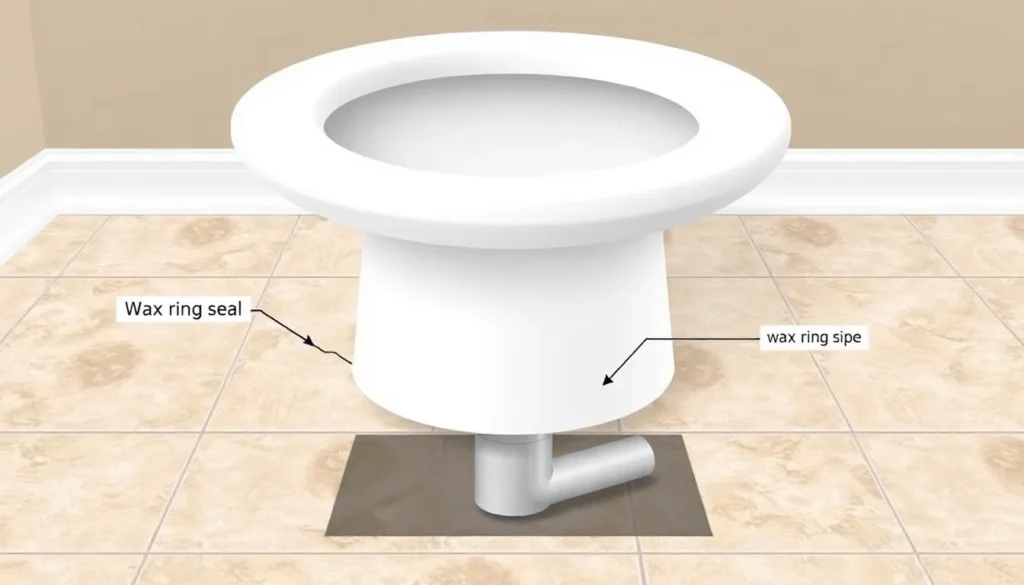
The closet flange is installed at the junction where the toilet drain meets the waste pipe. It consists of a flat circular or oval plate with holes for mounting bolts and a hub that fits over the drain pipe. The flange is usually recessed slightly into the finished floor, allowing the toilet to sit flush and stable. A wax ring or rubber gasket is placed between the flange and the toilet base to create a seal that prevents leaks.
Closet flanges come in various sizes and designs to accommodate different pipe diameters and installation methods. Some models include slots for screw adjustments or built-in anchors for easier toilet mounting.
How It Works
When installing a toilet, the closet flange is first secured to the floor around the drain pipe. The wax ring or gasket is then positioned on the flange to provide a seal. The toilet is lowered onto the flange, aligning the mounting holes with the bolts protruding through the flange. Once the toilet is in place, nuts are tightened onto the bolts to firmly secure the toilet to the floor. This setup ensures that wastewater flows directly from the toilet through the flange into the drain pipe while preventing leaks and odors.
Examples
- PVC Closet Flange: Common in residential plumbing for its corrosion resistance and ease of installation.
- Cast Iron Closet Flange: Used in older buildings or commercial settings, valued for durability.
- Adjustable Closet Flange: Designed to compensate for variations in floor height or uneven surfaces.
Pros and Cons
- Pros: Provides a secure and stable toilet installation; prevents leaks and sewer gas escape; compatible with various pipe materials; generally easy to replace or repair.
- Cons: Improper installation can lead to leaks or toilet instability; wax seals may degrade over time requiring maintenance; some materials may corrode or crack under stress.
Comparison Table
| Aspect | Closet Flange | Alternative/Related Topic (Pipe Coupling) |
|---|---|---|
| Meaning | Plumbing fitting that connects a toilet to the drain pipe and secures it to the floor. | A fitting used to join two sections of pipe together in a plumbing system. |
| Function | Provides toilet stability and seals the drain connection to prevent leaks and odors. | Joins pipes to maintain continuous flow of fluids without leaks. |
| Installation Location | Floor level at the toilet drain. | Anywhere along a pipeline where two pipes meet. |
| Materials | PVC, ABS, metal (cast iron, brass). | Various materials depending on pipe type (PVC, copper, steel). |
| Common Issues | Seal failure, flange damage, misalignment. | Leaks, corrosion, improper fit. |
Decision Checklist
- Use this if you need to securely connect a toilet to the drain pipe and floor.
- Avoid this if the drain pipe size or flooring conditions do not match flange specifications; seek alternative connection methods.
- Check this first to ensure the flange material and size are compatible with your toilet and drain pipe.
What is the easiest way to understand a Closet Flange?
Think of a closet flange as the anchor and seal for your toilet’s waste outlet. It is a sturdy ring fixed to the floor that holds the toilet in place and prevents leaks by creating a tight connection between the toilet and the drain pipe.
FAQ
What is the purpose of a closet flange?
The closet flange serves to securely connect a toilet to the drain pipe and the floor, ensuring a stable installation and a watertight seal to prevent leaks and sewer gas odors.
Can I replace a closet flange myself?
Replacing a closet flange is a manageable DIY task for those with basic plumbing skills, but it requires proper tools, materials, and attention to detail to avoid leaks or toilet instability.
How do I know if my closet flange needs replacing?
Signs that a closet flange needs replacement include a loose or wobbly toilet, water leaks around the base, persistent sewer odors, or visible damage or corrosion to the flange itself.






Leave a Reply