
Short Answer
Overview
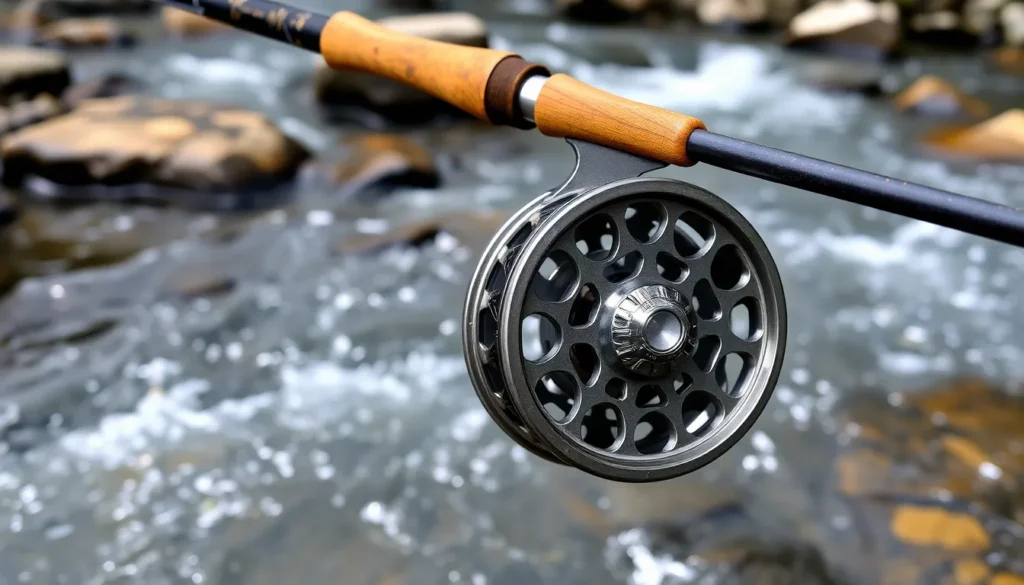
A riffle fly reel is a type of fishing reel used primarily in the sport of fly fishing. It is typically designed to be lightweight and compact, suitable for use in various water conditions, especially when fishing in riffles—shallow, fast-flowing sections of streams or rivers. The reel serves as a storage device for the fly line and backing, facilitating line management during casting and retrieval.
Detailed Explanation
Fly reels, including riffle fly reels, differ substantially from spinning or baitcasting reels in their function and design. A riffle fly reel is generally constructed with an emphasis on balance, durability, and ease of use. It often features a large arbor spool to reduce line memory and improve retrieval speed, which is beneficial for managing the fly line in turbulent waters such as riffles.
Materials used in riffle fly reels vary but typically include lightweight metals like aluminum or composites to reduce weight while maintaining strength. The reel’s drag system, which controls the resistance against the line being pulled out, is engineered to handle the sudden runs of fish commonly encountered in riffle zones.

How It Works
The primary function of a riffle fly reel is to hold the fly line and backing and to provide a smooth drag system. When casting, the angler pulls line off the reel, and during retrieval, the reel facilitates winding the line back onto the spool. The drag system applies adjustable resistance, preventing line breakage when a fish pulls forcefully.
Unlike other fishing reels, a riffle fly reel does not typically use a gear mechanism for casting but relies on the angler’s hand to control the line. The reel’s design ensures that it can be operated efficiently in the dynamic and often turbulent conditions of riffles, where quick response and reliable line control are crucial.
Examples
- A lightweight aluminum riffle fly reel designed for small to medium-sized trout streams, featuring a sealed drag system for water resistance.
- A large arbor riffle fly reel optimized for faster line retrieval in riffles, constructed with anodized finishes to resist corrosion.
- A compact, minimalist riffle fly reel with a simple click-and-pawl drag mechanism, preferred for its ease of maintenance in rugged environments.
Why It Matters
Riffle fly reels are important tools for anglers who fish in riffles and fast-moving waters. Their design is tailored to manage the specific challenges posed by such environments, including rapid line movement, frequent casting adjustments, and the need for durability against abrasion and water exposure. Using a reel suited to these conditions can improve fishing effectiveness and enhance the angler’s experience.
Common Misconceptions
Misconception: A riffle fly reel is only useful in riffle waters.
Correction: While optimized for riffles, these reels can be used effectively in various freshwater fly fishing environments.
Misconception: Riffle fly reels are fundamentally different from other fly reels.
Correction: They share many design principles with general fly reels but incorporate features that enhance performance in fast-flowing water.
Pros and Cons
Comparison Table
| Aspect | Riffle Fly Reel | Standard Fly Reel |
|---|---|---|
| Meaning | A fly reel specifically designed for use in riffle and fast-flowing water conditions. | A general-purpose fly reel suitable for various fishing conditions. |
| Weight | Typically lighter to enhance maneuverability. | Varies widely; some heavier models exist. |
| Drag System | Often sealed and corrosion-resistant, optimized for quick response. | Varies; may have different drag capacities and designs. |
| Spool Design | Large arbor to reduce line memory and improve retrieval speed. | May include both large and small arbor designs. |
Decision Checklist
- Use this if: You frequently fish in riffles or fast-moving streams and need a reel optimized for those conditions.
- Avoid this if: You primarily fish in still waters or target very large fish requiring higher drag capacity.
- Check this first: Compatibility with your fly rod and the type of fish you intend to catch.
What is the easiest way to understand a Riffle Fly Reel?
The easiest way to understand a riffle fly reel is to consider it as a specialized fly fishing reel optimized for use in fast-flowing water sections called riffles. It balances lightweight design with durability and efficient line management to meet the specific demands of such fishing environments.
FAQ
What distinguishes a riffle fly reel from a standard fly reel?
A riffle fly reel is typically lighter, often features a large arbor spool for quicker line retrieval, and has drag systems designed to handle the rapid movements common in riffle waters. It is optimized for use in fast-flowing streams and shallow waters.
Can I use a riffle fly reel in still water fishing?
Yes, a riffle fly reel can be used in still water, but it may not provide the specific advantages of reels designed for those conditions, such as higher drag capacity for larger fish.
How important is drag system quality in a riffle fly reel?
The drag system's quality is important as it controls line tension and prevents breakage during fish runs. In riffle conditions, a smooth, reliable drag helps manage sudden pulls from fish in fast water.





Leave a Reply