
Short Answer
Overview
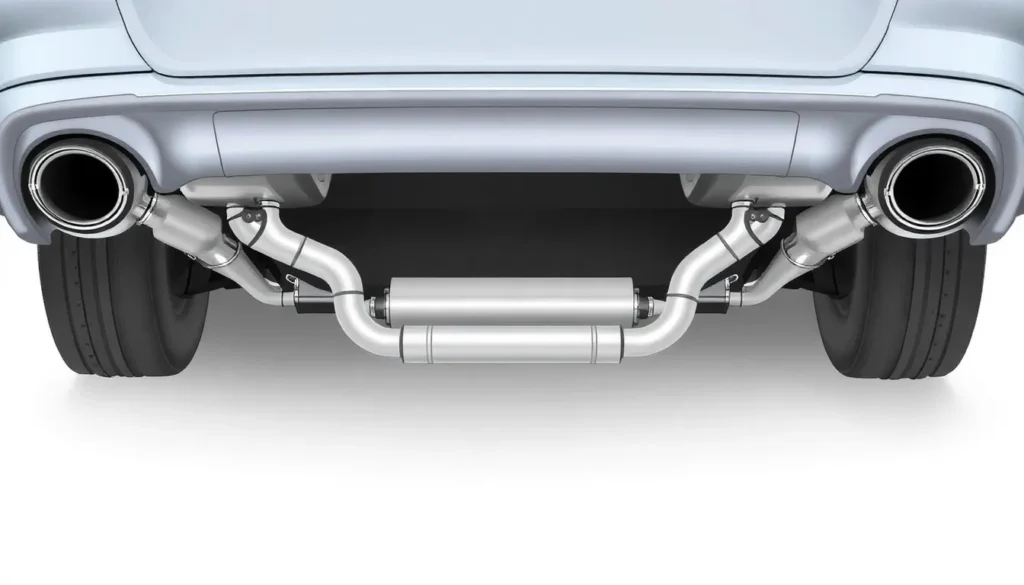
A cat back exhaust system refers to the section of a vehicle’s exhaust system starting immediately after the catalytic converter (often called the “cat”) and extending to the exhaust tip. This aftermarket or OEM replacement system typically includes components such as the mid-pipe, resonator, muffler, and exhaust tips. The primary purpose of a cat back system is to improve exhaust flow, which can enhance engine efficiency, performance, and sound characteristics without altering the emissions control provided by the catalytic converter itself.
Detailed Explanation
The exhaust system of a vehicle directs combustion gases away from the engine and reduces pollutants before releasing them into the atmosphere. The catalytic converter plays a critical role in reducing harmful emissions. A cat back exhaust system modifies the piping and components downstream of the catalytic converter to reduce backpressure and improve gas flow.
Unlike other exhaust modifications that might involve replacing the catalytic converter or headers, a cat back system preserves the emissions control integrity of the vehicle. This makes it a popular upgrade for those seeking better performance and sound without compromising legal compliance or environmental standards.

How It Works
The cat back system works by replacing restrictive components with more efficient piping and mufflers designed to optimize the flow of exhaust gases. Stock exhausts often have narrow pipes and multiple bends to meet noise and emissions regulations, which can create backpressure and restrict exhaust flow.
Upgraded components in a cat back system typically feature larger diameter pipes and smoother bends, allowing exhaust gases to exit more freely. This reduction in backpressure can improve engine scavenging, leading to increased horsepower and torque. Additionally, the mufflers and resonators in a cat back system are designed to enhance sound quality, often producing a deeper and more aggressive exhaust note.
Examples
- Aftermarket Cat Back System: Many vehicle owners install aftermarket cat back systems designed specifically for their make and model to improve performance and sound. For example, a cat back system designed for a Ford Mustang might include mandrel-bent stainless steel pipes and a high-flow muffler.
- OEM Cat Back Replacement: Some manufacturers offer upgraded cat back systems as part of performance packages or trims. These systems maintain factory standards but provide improved flow and sound characteristics.
- Custom Fabricated Cat Back: Enthusiasts and performance shops may fabricate custom cat back systems tailored to specific performance or sound goals, using varying pipe diameters, materials, and muffler designs.
Why It Matters
A cat back exhaust system is significant because it offers a balance between performance enhancement and emissions compliance. By modifying only the section after the catalytic converter, it avoids tampering with emissions control components, which can be illegal in many jurisdictions. Additionally, it provides a relatively straightforward upgrade that can improve engine efficiency, increase power output, and enhance the driving experience through improved exhaust sound.
Common Misconceptions
Misconception: Installing a cat back exhaust system will always result in a significant horsepower gain.
Correction: While cat back systems can improve exhaust flow, the actual horsepower gains vary depending on the vehicle, engine type, and existing exhaust restrictions. Gains are often modest and may be more noticeable in combination with other performance modifications.
Misconception: A cat back exhaust system removes the catalytic converter.
Correction: By definition, a cat back system begins after the catalytic converter and does not replace or remove it. Modifying or removing the catalytic converter is a separate and often legally restricted modification.
Pros and Cons
Pros:
- Improves exhaust flow, potentially enhancing engine performance
- Enhances exhaust sound quality
- Maintains emissions compliance by preserving the catalytic converter
- Relatively easy to install and often bolt-on
- Available for many vehicle makes and models
Cons:
- Performance gains can be modest without additional modifications
- Can increase exhaust noise, which may not be desirable for all drivers
- Cost can vary significantly depending on materials and brand
- May require professional installation for optimal fit and function
Comparison Table
| Aspect | Cat Back Exhaust System | Full Exhaust System |
|---|---|---|
| Meaning | Exhaust components from catalytic converter to exhaust tip | Complete exhaust system including headers, catalytic converter, mid-pipes, mufflers, and tips |
| Emissions Impact | Minimal; catalytic converter remains intact | Varies; may include modifications to catalytic converter affecting emissions |
| Performance Gain | Moderate improvements mainly in flow and sound | Potentially higher gains through header and converter upgrades |
| Installation Complexity | Relatively simple; bolt-on replacement | More complex; may require extensive modifications |
Decision Checklist
What is the easiest way to understand a Cat Back Exhaust System?
Think of a cat back exhaust system as the part of your car’s exhaust that starts just after the catalytic converter and continues to the end of the tailpipe. It’s like upgrading the last section of a pipe to let gases flow out more smoothly, which can make your car sound better and perform a bit better without affecting pollution controls.
FAQ
Can a cat back exhaust system increase horsepower?
Yes, a cat back exhaust system can improve exhaust flow, which may lead to modest increases in horsepower and torque, depending on the vehicle and other modifications.
Is installing a cat back exhaust system legal?
Generally, yes, because it does not involve removing or altering the catalytic converter, which is essential for emissions compliance. However, local laws and regulations may vary.
Does a cat back exhaust system affect fuel efficiency?
It can sometimes improve fuel efficiency slightly by reducing engine backpressure, although gains are usually small and depend on driving conditions and vehicle type.





Leave a Reply