
Short Answer
Overview
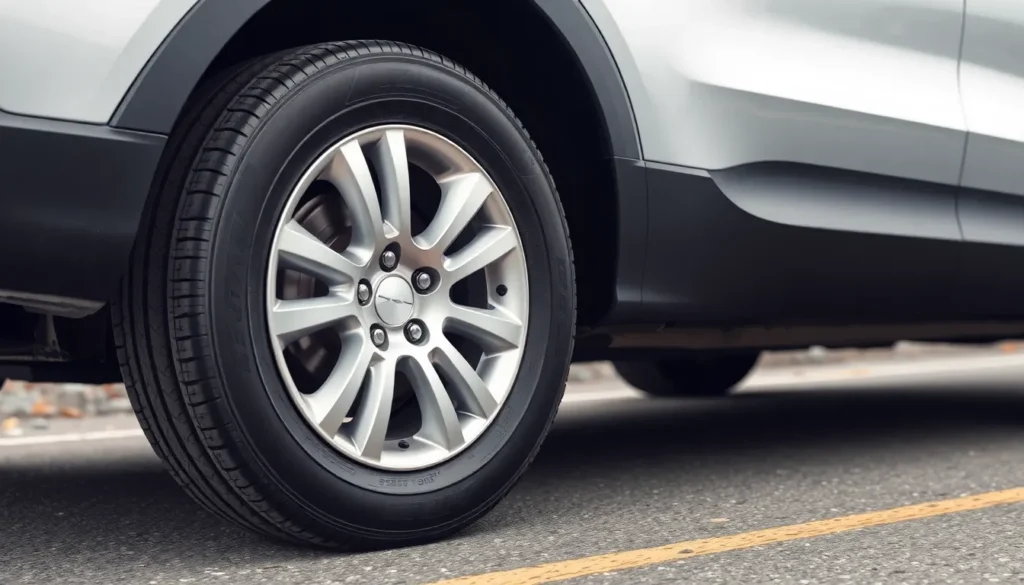
A passenger tire is a category of tire designed primarily for use on passenger vehicles, including cars, minivans, and light trucks. These tires are optimized to provide a smooth ride, reliable traction, and adequate durability under typical driving conditions encountered by everyday motorists. Passenger tires differ from other types of tires such as commercial, off-road, or high-performance tires in their construction, tread design, and performance characteristics, all tailored to meet the needs of general road use.
Detailed Explanation
Passenger tires are constructed with materials and tread patterns that balance comfort, handling, and wear resistance. They commonly feature radial construction, where steel belts run at a 90-degree angle to the direction of travel, providing improved stability and longevity. The tread design often includes grooves and siping to promote water evacuation and traction on wet surfaces, reducing the risk of hydroplaning.
These tires are rated for speeds and loads typical of passenger vehicles and comply with safety standards established by regulatory bodies. Passenger tires are available in various sizes and performance grades to accommodate different vehicle types and driving conditions.

How It Works
Passenger tires work by providing a flexible interface between the vehicle and the road surface. The tire’s tread grips the road to transmit driving, braking, and cornering forces, while the sidewalls absorb shocks and impacts from irregularities in the road. The air inside the tire supports the vehicle’s weight and maintains tire shape.
The tread pattern and rubber compound are designed to optimize traction, fuel efficiency, and tire longevity. During operation, the tire deforms as it contacts the road, creating friction that facilitates control. The tread grooves channel water away from the contact patch, enhancing safety in wet conditions.
Examples
- All-season passenger tires: Designed to perform adequately in a variety of weather conditions, including dry, wet, and light snow.
- Summer passenger tires: Engineered for improved traction and handling in warm weather, but generally not suitable for snowy or icy conditions.
- Touring tires: Focus on comfort and long tread life, often used for highway driving and daily commuting.
Why It Matters
Passenger tires are essential components of vehicle safety and performance. They directly affect handling, braking distances, ride comfort, fuel efficiency, and overall driving experience. Selecting the appropriate passenger tire for a vehicle ensures optimal safety and performance under expected driving conditions.
Common Misconceptions
Misconception: All tires are the same regardless of vehicle type.
Correction: Tires are specifically designed for different vehicle categories, and passenger tires have distinct features optimized for everyday passenger vehicles.
Misconception: More expensive passenger tires always provide better performance.
Correction: While price can correlate with certain features, the best tire depends on the specific vehicle, driving conditions, and user needs rather than cost alone.
Pros and Cons
Pros: Provide balanced performance for daily driving, improved comfort, reliable traction in common weather conditions, widely available and relatively affordable.
Cons: May not perform well in extreme conditions such as deep snow or off-road terrain, generally offer lower performance compared to specialized tires (e.g., high-performance or winter tires).
Comparison Table
| Aspect | Passenger Tire | High-Performance Tire |
|---|---|---|
| Meaning | Tire designed for standard passenger vehicles, balancing comfort and durability. | Tire designed for enhanced handling, speed, and traction, often at the expense of comfort and tread life. |
| Typical Use | Everyday driving on paved roads under various weather conditions. | Sports cars and performance-oriented driving, including track use. |
| Performance | Balanced for comfort, longevity, and traction. | Optimized for grip and handling, usually with softer rubber compounds. |
Decision Checklist
What is the easiest way to understand Passenger Tires?
The simplest way to understand passenger tires is to think of them as the standard tires that come with most cars designed to provide a safe, comfortable, and efficient driving experience for everyday road use.
FAQ
What distinguishes a passenger tire from other types of tires?
Passenger tires are specifically designed for cars and light trucks to provide a balance of comfort, traction, durability, and fuel efficiency under typical driving conditions, unlike commercial or off-road tires which prioritize other attributes.
How often should passenger tires be replaced?
Passenger tires should generally be replaced every 25,000 to 50,000 miles, depending on driving habits, road conditions, and tire maintenance such as rotation and inflation.
Can passenger tires be used in winter conditions?
Some passenger tires, notably all-season tires, can handle light winter conditions, but dedicated winter tires are recommended for heavy snow and ice for optimal safety and performance.





Leave a Reply