
Short Answer
Overview
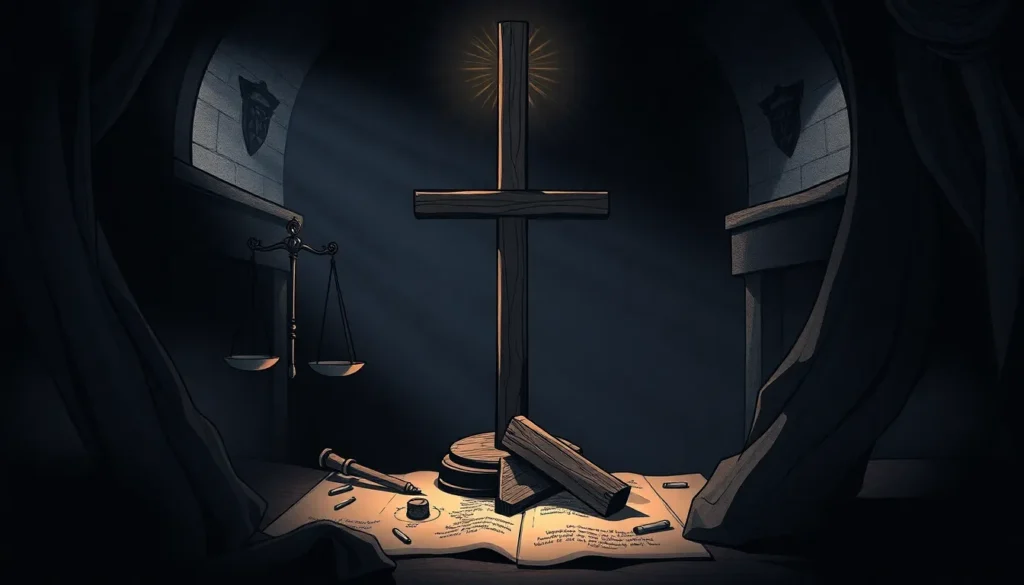
A grave sin is a concept primarily found in various religious and moral systems, referring to a serious offense against divine or moral law. It is typically distinguished from lesser sins by the severity of the act and the intentionality behind it. In many traditions, committing a grave sin carries significant spiritual consequences, often affecting the moral standing or salvation of the individual.
Detailed Explanation
In the context of Christian theology, particularly within the Roman Catholic Church, a grave sin is often synonymous with a mortal sin. To be classified as grave, a sin must involve a serious matter, be committed with full knowledge of its wrongdoing, and be performed with deliberate consent. Grave sins are believed to rupture the relationship between the individual and God, necessitating repentance and confession for reconciliation.
Other religious and ethical systems may recognize grave or major sins differently, but generally, these are actions considered profoundly immoral or harmful, such as murder, adultery, or blasphemy. The criteria for what constitutes a grave sin can vary significantly depending on cultural, doctrinal, and denominational perspectives.
How It Works
When an individual commits a grave sin, the act is understood to cause a serious breach in moral or spiritual law. In traditions like Catholicism, this breach severs the individual’s state of grace, meaning they are spiritually separated from God until the sin is absolved through specific rites, such as confession and penance.
The process typically involves recognizing the sin, feeling genuine remorse, confessing the sin to a religious authority, and undertaking prescribed acts of penance. Failure to address grave sins is believed to have lasting effects on the soul and the individual’s spiritual well-being.
Examples
- Murder: The intentional taking of an innocent human life is commonly cited as a grave sin across many religious systems.
- Adultery: Engaging in sexual relations outside a lawful marriage is often regarded as a grave sin due to its breach of fidelity and trust.
- Theft: Taking property unjustly, particularly on a large scale or with significant harm, may be considered a grave sin.
- Blasphemy: Showing disrespect or irreverence toward the divine is frequently categorized as a grave sin.
Why It Matters
Understanding what constitutes a grave sin is important within religious and moral frameworks as it guides believers in making ethical decisions and maintaining spiritual health. Recognizing grave sins helps individuals understand the gravity of certain actions and the need for accountability, repentance, and moral correction. It also plays a crucial role in religious teachings about salvation, forgiveness, and the afterlife.
Common Misconceptions
Misconception: A grave sin is the same as any sin.
Correction: Grave sins are distinguished by their serious nature and the conditions under which they are committed, unlike venial or minor sins which are less severe.
Misconception: Grave sins cannot be forgiven.
Correction: Many religious traditions teach that grave sins can be forgiven through sincere repentance and appropriate religious rites.
Pros and Cons
Pros: Helps establish clear moral boundaries; encourages accountability and repentance; fosters spiritual growth and ethical behavior.
Cons: Can lead to fear or guilt if misunderstood; varying definitions may cause confusion; may be interpreted rigidly without consideration for context.
Comparison Table
| Aspect | Grave Sin | Venial/Minor Sin |
|---|---|---|
| Meaning | Serious violation of moral or divine law that breaks spiritual relationship. | Less serious offense that weakens but does not break spiritual relationship. |
| Consequences | Severs state of grace; requires confession and repentance. | Does not sever relationship; may require penance or prayer. |
| Intentionality | Committed with full knowledge and deliberate consent. | May be committed without full knowledge or intent. |
Decision Checklist
What is the easiest way to understand Grave Sin?
The easiest way to understand a grave sin is to view it as a serious moral wrongdoing that, unlike minor mistakes, has significant spiritual consequences and requires sincere repentance to restore moral and spiritual balance.
FAQ
What distinguishes a grave sin from other sins?
A grave sin is distinguished by the seriousness of the act, full knowledge of its wrongfulness, and deliberate consent when committing it, leading to significant spiritual consequences.
Can grave sins be forgiven?
Yes, in many religious traditions such as Catholicism, grave sins can be forgiven through sincere repentance, confession, and penance.
Are all religions concerned with the concept of grave sin?
While the concept of grave sin is most elaborated in Christianity, other religions have similar notions of serious moral violations that affect the spiritual state of individuals.






Leave a Reply