
Short Answer
Overview
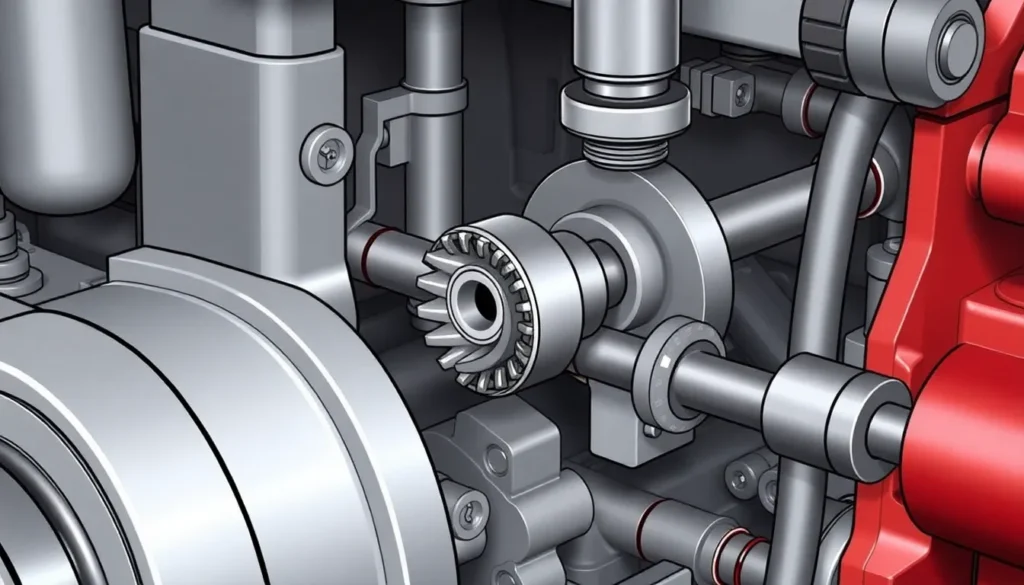
A lifter, also known as a tappet or cam follower, is a mechanical component in an internal combustion engine that transmits the camshaft’s rotational motion to the valve train. Positioned between the camshaft and the pushrod or valve stem, lifters play a crucial role in opening and closing the engine’s valves at precise intervals. There are two primary types of lifters used in engines: solid lifters and hydraulic lifters. Each type has distinct characteristics affecting engine performance, maintenance, and noise levels.
Detailed Explanation
In four-stroke engines, the camshaft rotates in synchrony with the crankshaft to operate the intake and exhaust valves. Lifters are cylindrical components that ride on the camshaft lobes and transfer the cam’s motion to the valves either directly or through intermediary parts like pushrods and rocker arms. The design of the lifter impacts valve timing accuracy, wear, and noise.
Solid Lifters: Also called mechanical lifters, these require manual adjustment of valve clearance (lash) to maintain optimal performance. They provide precise valve control and are preferred in high-performance applications due to their ability to operate at high engine speeds without valve float.
Hydraulic Lifters: These use pressurized engine oil to automatically maintain zero valve clearance, reducing maintenance and noise. Hydraulic lifters adjust themselves to compensate for thermal expansion and wear, making them common in most modern passenger vehicles.
How It Works
The camshaft features lobes that, as they rotate, push against the lifter. The lifter, in turn, moves upward, transmitting this motion to the pushrod or directly to the valve stem or rocker arm. This action opens the valve to allow fuel-air mixture in or exhaust gases out. When the camshaft lobe rotates away, the lifter returns to its resting position, allowing the valve to close.
In hydraulic lifters, engine oil fills an internal chamber that automatically adjusts to maintain contact with the camshaft lobe without clearance, eliminating valve noise and reducing wear. Solid lifters lack this oil chamber, so they require manual clearance adjustments to prevent valve damage and noise.
Examples
- Solid Lifters in Performance Engines: Many racing engines use solid lifters for their reliability at high RPMs and precise valve control.
- Hydraulic Lifters in Passenger Cars: Most modern cars, such as those with V6 or inline-4 engines, utilize hydraulic lifters to reduce maintenance and noise.
- Roller Lifters: A variation of lifters that include a small roller to reduce friction between the camshaft lobe and lifter, improving efficiency and reducing wear. These can be found in both solid and hydraulic lifter designs.
Pros and Cons
- Pros: Lifters ensure proper valve operation, which is essential for engine performance and efficiency. Hydraulic lifters reduce maintenance and noise, while solid lifters provide precise valve control suitable for high-performance applications.
- Cons: Solid lifters require regular adjustment and can be noisy. Hydraulic lifters may experience problems such as lifter noise or failure if oil pressure is inadequate or oil quality is poor.
Comparison Table
| Aspect | Lifter | Cam Follower |
|---|---|---|
| Meaning | A component transferring camshaft motion to valves in an engine. | A broader term for components following the camshaft lobe motion, including lifters and rollers. |
| Function | Acts as an intermediary between camshaft and valve train. | Follows camshaft lobes to actuate engine valves or mechanisms. |
| Types | Solid, hydraulic, roller. | Includes lifters, roller followers, and tappets. |
| Maintenance | Solid lifters require adjustments; hydraulic lifters self-adjust. | Depends on specific follower type. |
Decision Checklist
- Use this if: You need to understand how valve motion is transmitted in engines or are considering engine maintenance or performance upgrades.
- Avoid this if: You are unfamiliar with basic engine components or terminology; consider foundational engine mechanics first.
- Check this first: The type of lifter your engine uses before attempting adjustments or replacements.
What is the easiest way to understand a Lifter in an Engine?
Think of the lifter as the mechanical intermediary that converts the camshaft’s spinning motion into the up-and-down movement needed to open and close the engine’s valves. Without lifters, the camshaft’s rotation would not effectively control valve timing, which is critical for engine operation.
FAQ
What does a lifter do in an engine?
A lifter transfers the camshaft's rotational motion to the valve train, enabling the engine valves to open and close at precise times for proper engine operation.
What is the difference between solid and hydraulic lifters?
Solid lifters require manual adjustment to maintain valve clearance and are preferred for high-performance engines, while hydraulic lifters use engine oil pressure to automatically maintain zero clearance, reducing maintenance and noise.
Can lifters fail and affect engine performance?
Yes, lifters can wear out or malfunction, leading to valve timing issues, increased noise, or engine performance problems. Regular maintenance and proper oil quality can help prevent premature lifter failure.



Leave a Reply