
Short Answer
Overview
A Class C misdemeanor is a classification used within the criminal justice system of many U.S. states to denote a minor criminal offense. It is commonly regarded as the least serious type of misdemeanor. Offenses categorized as Class C misdemeanors typically involve infractions that do not pose significant harm or threat to the public or individuals. The punishments associated with Class C misdemeanors are generally less severe compared to higher classes of misdemeanors or felonies, often involving fines and, in some cases, short periods of incarceration.
Detailed Explanation
The classification of misdemeanors varies by jurisdiction, but a Class C misdemeanor generally indicates a relatively low-level offense. Unlike felonies, which are serious crimes often punishable by lengthy imprisonment, misdemeanors are less severe but still constitute criminal behavior. Within misdemeanor categories, Class C misdemeanors are typically distinguished by the lowest maximum penalties. These penalties may include fines, community service, probation, or jail time usually limited to a few days or months.
Examples of offenses that might be classified as Class C misdemeanors include minor traffic violations, disorderly conduct, possession of small amounts of certain substances, or petty theft. The exact crimes and punishments associated with Class C misdemeanors vary by state or local law, meaning what constitutes a Class C misdemeanor in one jurisdiction may differ in another.
How It Works
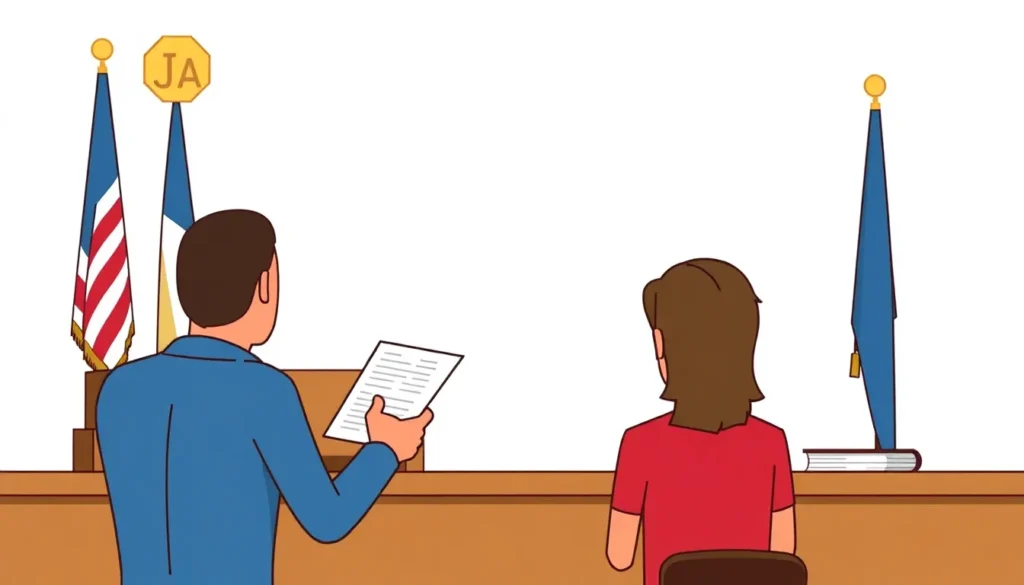
When a person is charged with a Class C misdemeanor, the case is typically handled in a lower court, such as a municipal or county court, rather than in higher criminal courts. The individual may be required to appear for a hearing or trial, where evidence is presented and a determination of guilt or innocence is made.
If convicted, the offender may face penalties limited by statutory maximums for Class C misdemeanors. These penalties often include fines that can range from small amounts to several hundred dollars, depending on the jurisdiction. Jail sentences, if imposed, are usually brief, commonly not exceeding 30 days.
Class C misdemeanors may or may not carry a lasting criminal record, depending on local laws and whether the defendant completes certain programs or fulfills court-ordered conditions. In some cases, first-time offenders may be eligible for diversion programs or have the charges dismissed upon compliance with specific requirements.
Examples
- Traffic violations such as speeding or running a stop sign in some states are classified as Class C misdemeanors.
- Disorderly conduct, including public intoxication or disturbing the peace, may be charged as a Class C misdemeanor.
- Petty theft, such as shoplifting items below a certain dollar value, is sometimes considered a Class C misdemeanor.
Why It Matters
Understanding Class C misdemeanors is important because they represent the entry-level category of criminal offenses that can still affect an individual’s legal standing and record. While relatively minor, these offenses can have consequences including fines, legal costs, and potential impacts on employment or professional licensing. Additionally, awareness of Class C misdemeanors helps individuals understand the scope of criminal law and the gradations of punishment.
Common Misconceptions
Misconception: Class C misdemeanors are not criminal offenses.
Correction: Class C misdemeanors are criminal offenses, albeit minor ones, and can result in fines or jail time.
Misconception: Class C misdemeanors never appear on a criminal record.
Correction: Depending on jurisdiction and case outcome, Class C misdemeanors may appear on a criminal record unless expunged or sealed.
Pros and Cons
Comparison Table
| Aspect | Class C Misdemeanor | Class A/B Misdemeanor or Felony |
|---|---|---|
| Meaning | Lowest level misdemeanor offense with minor penalties | More serious misdemeanors or felonies with harsher penalties |
| Typical Punishment | Fines and/or up to 30 days jail | Longer jail or prison terms, higher fines |
| Examples | Minor traffic violations, petty theft | Assault, burglary |
| Criminal Record Impact | May or may not appear depending on jurisdiction | Typically appears and affects long-term record |
Decision Checklist
- Use this if: You need to understand minor criminal charges or their consequences.
- Avoid this if: You are dealing with serious crimes or felonies that require more complex legal analysis.
- Check this first: The specific laws and penalties in the jurisdiction where the offense occurred.
What is the easiest way to understand Class C Misdemeanor?
Think of a Class C misdemeanor as the lowest tier of criminal offenses that are more serious than infractions but less severe than higher misdemeanors or felonies, usually resulting in fines or short jail sentences for minor violations.
FAQ
What distinguishes a Class C misdemeanor from other misdemeanors?
Class C misdemeanors are generally the least serious misdemeanor offenses with lower maximum penalties compared to Class A or B misdemeanors.
Can a Class C misdemeanor result in jail time?
Yes, in some jurisdictions, a Class C misdemeanor can result in short jail sentences, typically up to 30 days.
Are Class C misdemeanors criminal offenses?
Yes, Class C misdemeanors are criminal offenses, though minor, and can result in fines or incarceration.






Leave a Reply