
Short Answer
Overview
A noncommercial vehicle refers to any motor vehicle that is used primarily for personal, family, or household purposes rather than for commercial activities such as transporting goods or passengers for profit. These vehicles are typically registered differently from commercial vehicles and are governed by distinct legal and insurance requirements. The classification of a vehicle as noncommercial or commercial can vary based on jurisdiction, vehicle type, and intended use.
Detailed Explanation
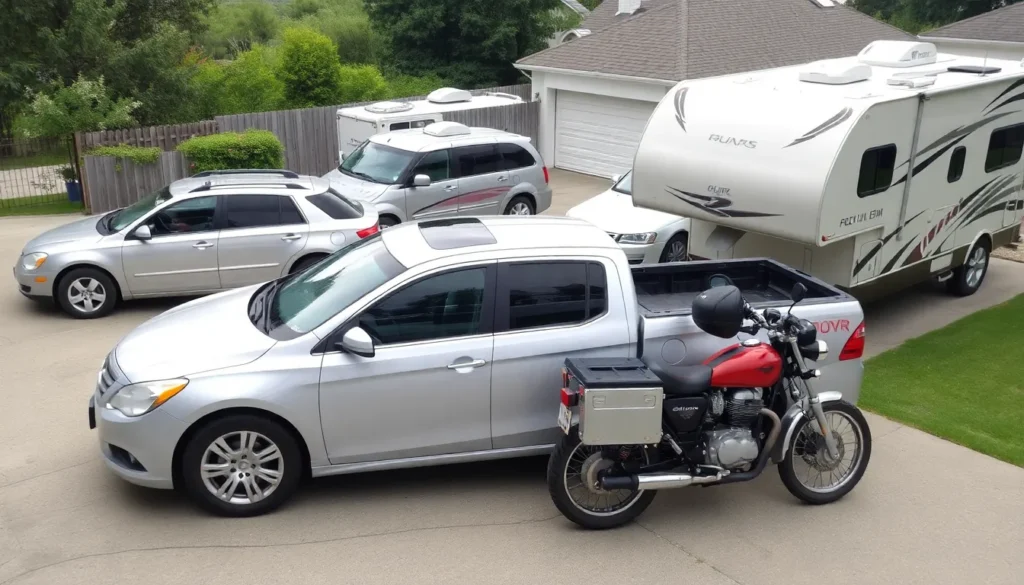
Noncommercial vehicles include passenger cars, motorcycles, recreational vehicles, and some trucks when used for personal reasons. These vehicles are not used to conduct business activities directly related to transportation or delivery services. The distinction is important because commercial vehicles are subject to more stringent regulations, including safety inspections, driver qualifications, and insurance mandates. In contrast, noncommercial vehicles benefit from less rigorous oversight since their use is generally limited to personal travel.
Legal definitions of noncommercial vehicles may specify criteria such as weight limits, passenger capacity, and cargo usage. For example, light-duty trucks used solely for personal transportation without commercial branding or cargo hauling may be classified as noncommercial. This classification affects registration fees, insurance premiums, and permissible road use.
How It Works
When registering a vehicle, owners must declare its intended use. If the vehicle is for personal use, it is registered as noncommercial, which often involves simpler paperwork and lower fees. Insurance providers also offer policies tailored to noncommercial vehicles, focusing on risks associated with personal use rather than business liabilities.
Law enforcement and regulatory agencies use the classification to enforce appropriate rules. Noncommercial vehicles have different parking rules, weight restrictions, and sometimes exemptions from certain commercial vehicle regulations such as hours-of-service rules for drivers and special permits for oversized loads.
Examples
- A sedan used daily by an individual for commuting and family errands.
- A personal pickup truck used occasionally to transport household goods but not for commercial delivery services.
- A motorcycle owned and operated for recreational riding.
- A recreational vehicle (RV) used for family vacations and not rented out or used commercially.
Why It Matters
The distinction between noncommercial and commercial vehicles is significant for regulatory, financial, and legal reasons. It affects how vehicles are insured, maintained, and operated. For owners, understanding this classification ensures compliance with laws and helps avoid penalties. For policymakers, it aids in managing road safety and infrastructure planning by applying appropriate standards to different vehicle types.
Common Misconceptions
Misconception: A vehicle used to occasionally transport goods is always commercial.
Correction: Occasional personal use involving goods transportation does not automatically classify a vehicle as commercial; intended primary use is the key factor.
Misconception: All trucks are commercial vehicles.
Correction: Many trucks are noncommercial if used solely for personal purposes without profit-related activities.
Pros and Cons
Pros: Lower registration and insurance costs, simpler regulatory compliance, fewer operational restrictions, and suitability for personal and family use.
Cons: Limited to personal use only, cannot legally be used for commercial transport or delivery, and may face restrictions if used improperly.
Comparison Table
| Aspect | Noncommercial Vehicle | Commercial Vehicle |
|---|---|---|
| Meaning | Vehicle used primarily for personal, family, or household purposes | Vehicle used for business activities involving transport of goods or passengers for profit |
| Regulations | Less stringent, focused on personal use | More stringent, including safety, driver qualifications, and permits |
| Insurance | Personal insurance policies with lower premiums | Commercial insurance policies covering business liabilities |
| Usage | Personal travel, errands, recreation | Business transport, delivery, commercial services |
| Registration | Noncommercial registration with simpler requirements | Commercial registration with additional documentation and fees |
Decision Checklist
What is the easiest way to understand a Noncommercial Vehicle?
The easiest way to understand a noncommercial vehicle is to think of it as any vehicle you own and operate mainly for your personal, family, or household activities, not for business or profit-making transportation.
FAQ
Can a noncommercial vehicle be used for business purposes?
Generally, no. Noncommercial vehicles are intended for personal use and using them for business purposes may require reclassification and different insurance coverage.
How do I know if my vehicle is noncommercial?
Check your vehicle registration documents and intended use. If the vehicle is primarily for personal or household use and not for transporting goods or passengers for profit, it is likely noncommercial.
Are insurance costs different for noncommercial vehicles?
Yes, insurance for noncommercial vehicles typically costs less than commercial vehicle insurance due to lower associated risks and usage.






Leave a Reply