
Short Answer
Overview
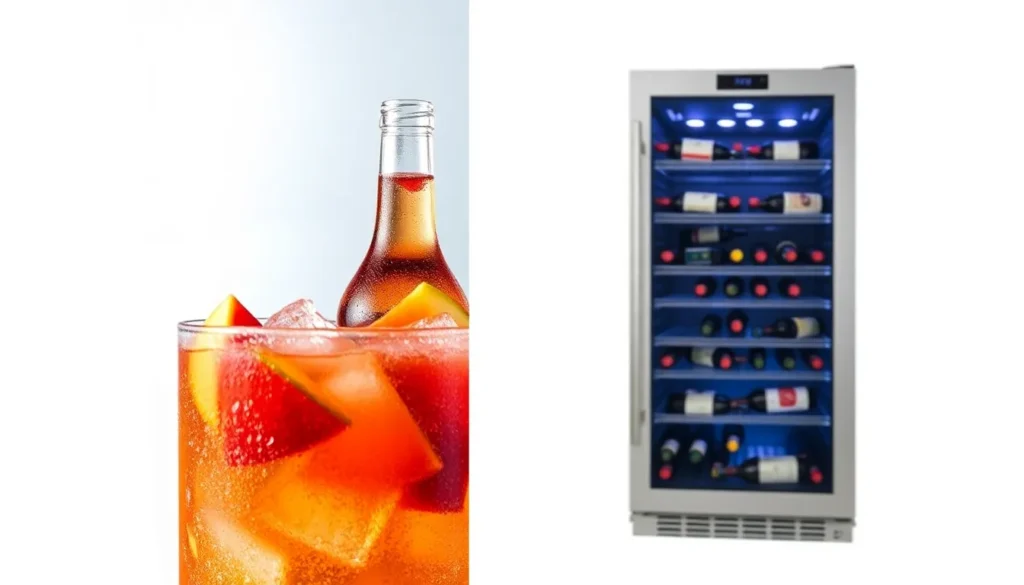
A wine cooler can refer to two distinct but related concepts. First, it is a type of alcoholic beverage that blends wine with fruit juice, carbonated water, or other flavorings, often served cold and marketed as a refreshing alternative to traditional wines or beers. Second, a wine cooler is also an appliance designed specifically to store and chill wine bottles at temperatures optimal for preservation and enjoyment. Both uses share the goal of enhancing the wine experience, either through consumption or storage.
Detailed Explanation
As a beverage, wine coolers originated in the late 20th century, gaining popularity as flavored, lower-alcohol drinks appealing to a broad audience. They usually contain a base of white wine or malt, mixed with fruit flavors like citrus or berry, and are often carbonated. The alcohol content is generally lower than that of standard wines, making them popular for casual drinking occasions.
As an appliance, a wine cooler (also called a wine refrigerator or wine chiller) is designed to maintain wine bottles at specific temperatures that suit different varieties of wine. Temperature control is crucial because wine is sensitive to heat, light, and humidity, which can affect its taste and aging process. Wine coolers come in various sizes and types, ranging from small countertop units to larger built-in models.
How It Works
The wine cooler beverage works by mixing wine with other ingredients such as fruit juices, sweeteners, and carbonation to create a lighter, flavored drink that can be served chilled. The process involves blending the components and bottling them under conditions that preserve carbonation and flavor.
The wine cooler appliance operates using refrigeration technology similar to that of refrigerators but optimized for wine storage. It typically includes:
- Temperature control: Allows users to set and maintain a consistent temperature, often between 45°F and 65°F (7°C to 18°C), depending on the wine type.
- Humidity control: Some units regulate humidity to prevent corks from drying out.
- UV protection: Tinted glass doors or solid panels protect wine from harmful light exposure.
- Vibration reduction: Minimizes disturbances that could affect wine sediment and aging.
Examples
- Beverage example: A commercial wine cooler might be a bottled drink combining white wine, cranberry juice, and carbonation, often sold in supermarkets and bars.
- Appliance example 1: A small countertop wine cooler with a capacity of 12 bottles, featuring adjustable temperature zones for red and white wines.
- Appliance example 2: A dual-zone built-in wine refrigerator designed for home kitchens, capable of storing up to 50 bottles with precise humidity and temperature controls.
Pros and Cons
- Pros:
- Wine cooler beverages are often lower in alcohol and more flavorful for casual drinkers.
- Wine cooler appliances extend the life and improve the taste of wine by maintaining ideal storage conditions.
- Appliances often feature aesthetic designs that complement kitchen or bar areas.
- Cons:
- Wine cooler beverages may contain added sugars and preservatives, which some consumers avoid.
- Wine cooler appliances can be costly and require maintenance.
- Improper use of wine coolers (either beverage or appliance) may lead to less desirable outcomes, such as overconsumption or wine spoilage.
Comparison Table
| Aspect | Wine Cooler (Beverage) | Wine Cooler (Appliance) |
|---|---|---|
| Meaning | A flavored alcoholic drink typically made by mixing wine with fruit juice and carbonation. | An appliance designed to store and chill wine bottles at optimal temperatures. |
| Primary Purpose | Refreshing, flavored alcoholic beverage for casual consumption. | Preserving and aging wine by maintaining ideal temperature and humidity. |
| Alcohol Content | Generally lower than regular wine, often 4-7% ABV. | Not applicable (device). |
| Temperature Control | Served chilled but no control over temperature. | Precise temperature control typically between 45°F and 65°F. |
| Use Context | Casual drinking, parties, mixed drinks. | Wine storage at home, restaurants, or wine shops. |
Decision Checklist
- Use this if you want a light, flavored alcoholic drink with wine base or need to store wine at controlled temperatures.
- Avoid this if you prefer traditional wines without added flavors or lack space for an appliance.
- Check this first whether you are referring to the beverage or the appliance to ensure appropriate purchase or usage.
What is the easiest way to understand a Wine Cooler?
The easiest way to understand a wine cooler is to recognize that it can mean either a sweetened, flavored alcoholic drink made by mixing wine with other ingredients, or a specialized refrigerator designed to keep wine bottles at ideal temperatures for drinking and aging. The context usually clarifies which meaning is intended.
FAQ
Is a wine cooler the same as chilled wine?
No, a wine cooler as a beverage typically contains added fruit juice and carbonation, making it different from simply chilled wine. As an appliance, a wine cooler is a specialized refrigerator designed to maintain optimal temperatures for wine storage.
Can I store all types of wine in a wine cooler appliance?
Most wine cooler appliances allow temperature adjustments suitable for different types of wine, such as reds, whites, and sparkling wines. However, it is important to set the correct temperature zone for each variety to preserve quality.
Are wine coolers healthier than regular wine?
Wine coolers often contain added sugars and other ingredients, which may increase calorie content compared to regular wine. Health impacts depend on individual consumption and product formulation.




Leave a Reply