
Short Answer
Overview
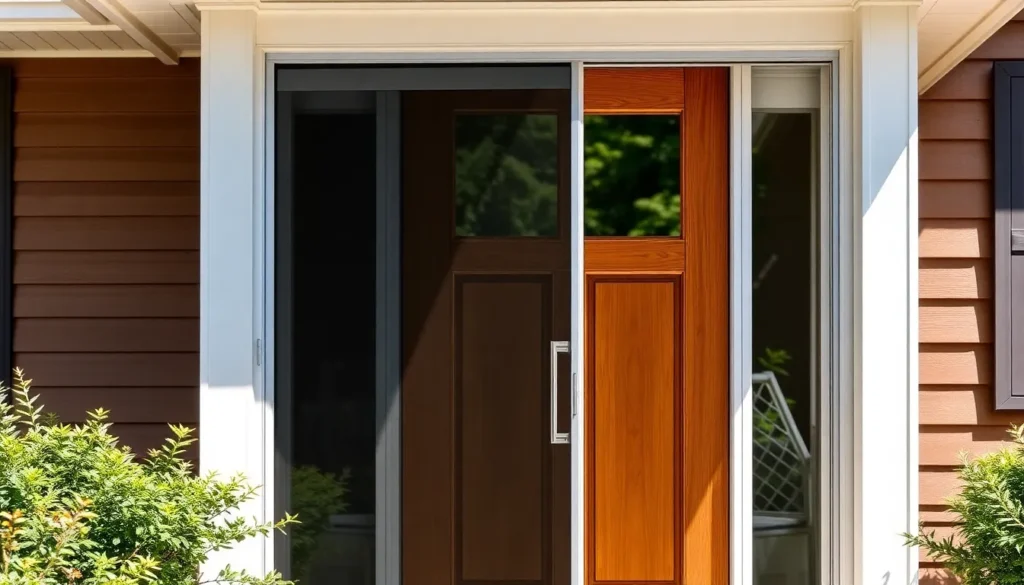
A storm door is a secondary door installed in front of an exterior entry door. Its primary function is to protect the main door from exposure to adverse weather conditions such as rain, wind, and snow. Storm doors generally consist of a lightweight frame that holds interchangeable panels of glass and screen, allowing homeowners to adjust ventilation and natural light while providing an insulating barrier. Commonly found in residential buildings, storm doors can improve energy efficiency, enhance security, and contribute to the overall aesthetic appeal of a home.
Detailed Explanation
Storm doors are designed to shield the primary door and the interior of a building from environmental elements. They are typically made from materials such as aluminum, wood, or vinyl, and come in various styles including full-view, ventilating, and retractable screen models. The glass panels can be fixed or removable, and many storm doors allow for easy switching between glass and screen to accommodate different seasons.
In colder climates, storm doors help to reduce heat loss by creating an extra layer of insulation. During warmer months, the screen feature permits airflow while keeping insects and debris out. Additionally, storm doors can protect the main door’s finish, extending its lifespan by minimizing direct exposure to sun and moisture.
How It Works
Storm doors function by creating a buffer zone between the outdoor environment and the interior entry door. The frame of the storm door is mounted on hinges parallel to the main door frame, allowing it to swing open and closed independently. The glass panels block wind and precipitation, while the screen panels facilitate ventilation when the glass is removed or slid aside.
Some storm doors feature adjustable venting systems or retractable screens operated via sliding mechanisms or removable inserts. Weatherstripping around the perimeter of the storm door helps to seal gaps and prevent drafts. Locks and handles on storm doors provide an additional layer of security, sometimes integrated with the main door’s locking system.
Examples
- Full-View Storm Door: Contains a large glass panel that offers maximum visibility and light, often with a lower panel for added protection.
- Ventilating Storm Door: Features a glass panel that can be raised or lowered to reveal a screen underneath for airflow.
- Retractable Screen Storm Door: Includes a screen that can be retracted into the door frame when not in use, allowing for easy transition between screened and glass-only options.
Pros and Cons
- Pros: Protects main door from weather damage, improves insulation and energy efficiency, allows for ventilation, adds security, and can enhance curb appeal.
- Cons: Requires maintenance such as cleaning and occasional repairs, may add cost to home improvements, can reduce accessibility if not properly fitted, and may not be suitable for all architectural styles.
Comparison Table
| Aspect | Storm Door | Standard Exterior Door |
|---|---|---|
| Meaning | A secondary door installed outside the main door to provide weather protection and ventilation. | The primary door that provides security and access to a building. |
| Material | Typically aluminum, wood, or vinyl with glass and screen inserts. | Varies widely; wood, steel, fiberglass, or composite materials. |
| Functionality | Blocks weather, allows airflow, adds insulation. | Provides security, privacy, and aesthetic entry point. |
| Installation | Mounted in addition to the main door. | Installed as the main entry barrier. |
| Maintenance | Requires cleaning glass, screens, and occasional hardware upkeep. | Depends on material; may require painting, sealing, or repairs. |
Decision Checklist
- Use this if you want to protect your main door from weather, improve energy efficiency, or increase ventilation options.
- Avoid this if your home’s architectural style is incompatible, or if additional door maintenance is a concern.
- Check this first to ensure your door frame and entryway can accommodate a storm door and that it complies with local building codes.
What is the easiest way to understand a Storm Door?
The simplest way to understand a storm door is to think of it as a protective shell for your main door that can be opened to let fresh air in while keeping insects and weather out. It acts like a shield during harsh weather and a screened window during pleasant weather.
FAQ
What is the main purpose of a storm door?
The main purpose of a storm door is to protect the primary exterior door from weather damage, improve insulation, and allow ventilation through screen panels.
Can storm doors help reduce energy bills?
Yes, by providing an additional layer of insulation, storm doors can reduce heat loss during cold weather, thus potentially lowering energy costs.
Are storm doors suitable for all climates?
Storm doors are particularly beneficial in climates with extreme weather variations but may not be necessary in mild climates. Their design allows adjustment for seasonal use, making them versatile for many regions.



Leave a Reply