
Short Answer
Overview
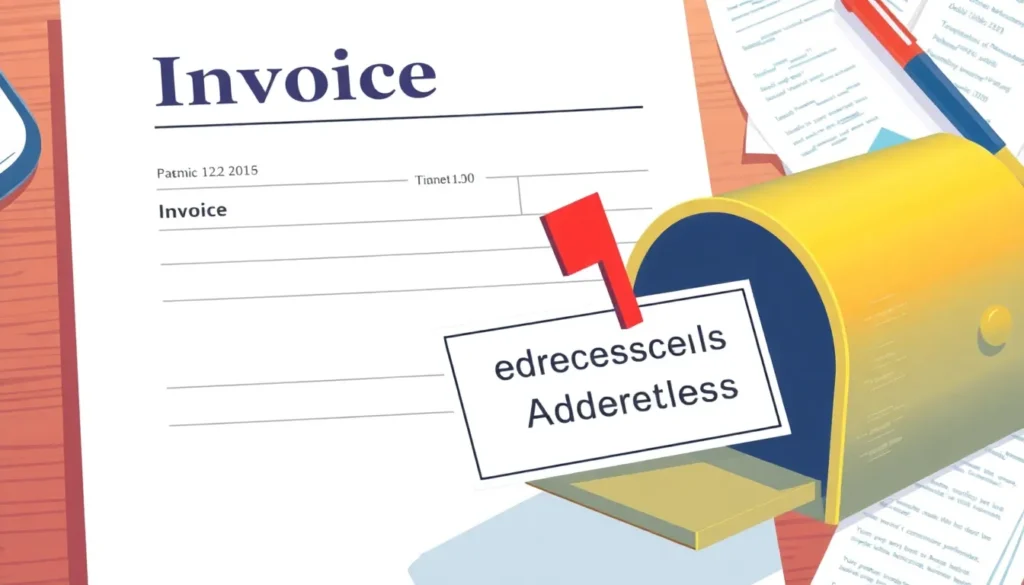
A remit address is a designated address provided by a business or individual to receive payments, usually in the form of checks or other monetary remittances. It is commonly included on invoices, billing statements, or payment instructions to guide payers on where to send their payments. The remit address may differ from the primary business address and is often set up to streamline the payment collection process.
Detailed Explanation
The remit address serves as the official location for receiving payments related to invoices or bills. In many business contexts, companies maintain separate addresses for operational purposes and for receiving payments. This separation helps in organizing financial transactions and ensuring payments are processed efficiently. The remit address can be a physical mailing address, a post office box, or a specific department within a company tasked with handling incoming payments.
In addition to mailing addresses, remit addresses can also be associated with electronic payment systems. In such cases, the remit address may include information like bank account details or electronic payment identifiers to facilitate the transfer of funds. However, the term “remit address” traditionally refers to a postal or physical address used for payment correspondence.
How It Works
When a company issues an invoice or bill, it often includes a remit address to instruct the payer where to send the payment. This address is typically displayed prominently on the billing document to avoid confusion. Upon receipt of payment at the remit address, the company’s accounts receivable or finance team processes the payment, updates the customer’s account, and reconciles the transaction.
Using a remit address helps organizations centralize payment processing. For example, a business might have multiple operational locations but use a single remit address to collect all payments. This approach simplifies accounting and improves cash flow management. Remit addresses can also reduce the risk of payments being sent to incorrect locations, which can delay processing.
Examples
- Example 1: A company operates nationwide with several branches but uses a centralized billing department. The invoice sent to customers includes a remit address that directs payments to a specific post office box monitored by the billing department.
- Example 2: A freelance consultant provides clients with an invoice that lists a remit address different from their home office address, specifically a mailbox rented for receiving payment checks.
- Example 3: An online retailer includes a remit address on their billing statements for customers who prefer to pay by mailed check, distinct from their warehouse or customer service locations.
Why It Matters
The remit address is critical in ensuring that payments are received timely and correctly. Without a clear remit address, payers may send payments to incorrect locations, causing delays, lost payments, or administrative complications. A well-defined remit address supports efficient cash flow, accurate financial record-keeping, and improved customer relations by providing clarity in payment instructions.
Common Misconceptions
Misconception: The remit address is always the same as the company’s main business address.
Correction: The remit address often differs from the main business address and is specifically designated for receiving payments.
Misconception: A remit address only refers to physical mailing addresses.
Correction: While traditionally a physical address, remit addresses can also refer to electronic payment destinations in modern payment systems.
Pros and Cons
Comparison Table
| Aspect | Remit Address | Billing Address |
|---|---|---|
| Meaning | The specific address where payments are sent for processing. | The address used for billing and invoicing purposes, often the customer’s or company’s primary address. |
| Function | Receives payments and remittances. | Receives bills and invoices. |
| Location | May differ from operational or billing addresses. | Usually the customer or company’s main address. |
| Use Cases | Payment processing and accounting. | Customer identification and correspondence. |
Decision Checklist
- Use this if you want to specify a dedicated location for receiving payments separate from your operational or billing address.
- Avoid this if you do not need to separate payment processing from other business functions or if it may cause confusion for payers.
- Check this first before changing your remit address to ensure all clients and payers are informed to prevent payment delays.
What is the easiest way to understand a Remit Address?
The easiest way to understand a remit address is to think of it as the “payment address” on an invoice—where you send your money, which may be different from where the company physically operates or sends other mail.
FAQ
Is a remit address always a physical location?
Traditionally, a remit address is a physical mailing address such as a PO box or office location used to receive payments. However, in modern contexts, it may also refer to electronic payment information.
Can the remit address be different from the billing address?
Yes, the remit address often differs from the billing address to separate payment processing from billing or operational functions.
Why is specifying a remit address important on invoices?
Including a remit address on invoices ensures payments are sent to the correct location, reducing processing delays and errors.





Leave a Reply