
Short Answer
Overview
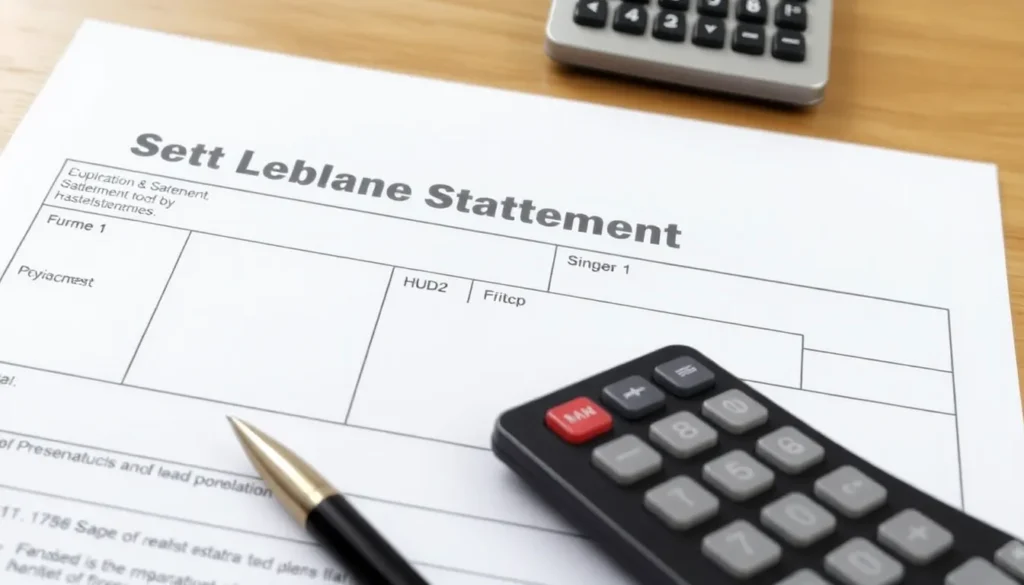
A HUD Statement, also known as the HUD-1 Settlement Statement, is a standardized form used primarily in real estate transactions in the United States. It provides a detailed accounting of all charges and credits involved in the closing of a property sale. The document is designed to ensure transparency by itemizing the financial obligations of both the buyer and the seller, covering loan fees, escrow amounts, taxes, insurance, and other related costs.
Detailed Explanation
The HUD Statement was developed by the U.S. Department of Housing and Urban Development (HUD) to standardize the disclosure of costs in real estate closings. It lists all charges, such as loan origination fees, appraisal fees, title insurance, recording fees, and prorated taxes. Each party’s financial responsibilities are detailed in separate sections, allowing buyers and sellers to verify the amounts they owe or will receive. The form also includes sections for deposits, credits, and adjustments, providing a complete financial summary of the transaction.
How It Works
During the closing process, the HUD Statement is prepared by a settlement agent or closing attorney. It is typically provided to both parties at least one day before the closing, allowing time to review the figures. The statement breaks down the costs associated with the mortgage loan and the purchase of the property. Buyers can see how much they need to bring to closing, and sellers can confirm the net proceeds they will receive after all fees are deducted. The HUD Statement serves as a final accounting document, ensuring that all financial aspects of the transaction are transparent and agreed upon.
Examples
- Loan Origination Fees: Costs charged by the lender for processing the loan application.
- Title Insurance: Fees paid to protect against losses from title defects.
- Escrow Deposits: Funds held to pay property taxes and insurance premiums.
- Prorated Property Taxes: Taxes adjusted based on the closing date.
Why It Matters
The HUD Statement is important because it provides a clear, itemized overview of all financial components of a real estate transaction. This transparency helps prevent misunderstandings or disputes over costs between buyers, sellers, and lenders. It also assists regulatory compliance by ensuring that all required disclosures are made. For consumers, the document is a tool to compare estimated costs with actual expenses at closing, promoting informed decision-making.
Common Misconceptions
Misconception: The HUD Statement is used in all real estate transactions.
Correction: Since October 2015, the HUD-1 form has been largely replaced by the Closing Disclosure form for most consumer mortgage loans, though HUD Statements are still used in certain transactions such as reverse mortgages and some refinances.
Misconception: The HUD Statement only lists costs for buyers.
Correction: The statement itemizes costs for both buyers and sellers, detailing financial responsibilities for each party.
Pros and Cons
Pros: Provides detailed, itemized financial disclosure; promotes transparency; helps avoid surprises at closing; standardizes reporting of costs.
Cons: Can be complex and difficult for non-experts to understand; has been largely replaced by newer forms in many transactions; may require professional interpretation.
Comparison Table
| Aspect | HUD Statement | Closing Disclosure |
|---|---|---|
| Meaning | Detailed settlement statement itemizing closing costs used mainly before 2015 | Standardized form replacing HUD-1 for most mortgage transactions since 2015 |
| Use | Used for reverse mortgages, refinances, and some transactions | Used for most consumer mortgage loan closings |
| Format | HUD-1 form with detailed line items | Closing Disclosure with simplified layout and clearer explanations |
| Regulatory Authority | U.S. Department of Housing and Urban Development | Consumer Financial Protection Bureau (CFPB) |
Decision Checklist
What is the easiest way to understand a HUD Statement?
The easiest way to understand a HUD Statement is to view it as a detailed receipt for a real estate transaction. It lists every fee, credit, and charge involved in closing a property sale, separated by buyer and seller expenses. Reviewing each line item carefully and asking questions about unfamiliar terms helps clarify the overall financial picture.
FAQ
Is the HUD Statement still used today?
The HUD-1 Settlement Statement is still used in specific transactions such as reverse mortgages and certain refinancing loans. However, for most consumer mortgage loans, it has been replaced by the Closing Disclosure form since October 2015.
Who prepares the HUD Statement?
The HUD Statement is typically prepared by the settlement agent, closing attorney, or escrow company involved in the real estate transaction to ensure an accurate accounting of all charges and credits.
What information does the HUD Statement include?
The statement includes detailed line items of all closing costs, such as loan fees, title insurance, escrow deposits, property taxes, and credits for both the buyer and seller. It provides a comprehensive financial summary of the transaction.






Leave a Reply