
Short Answer
Overview
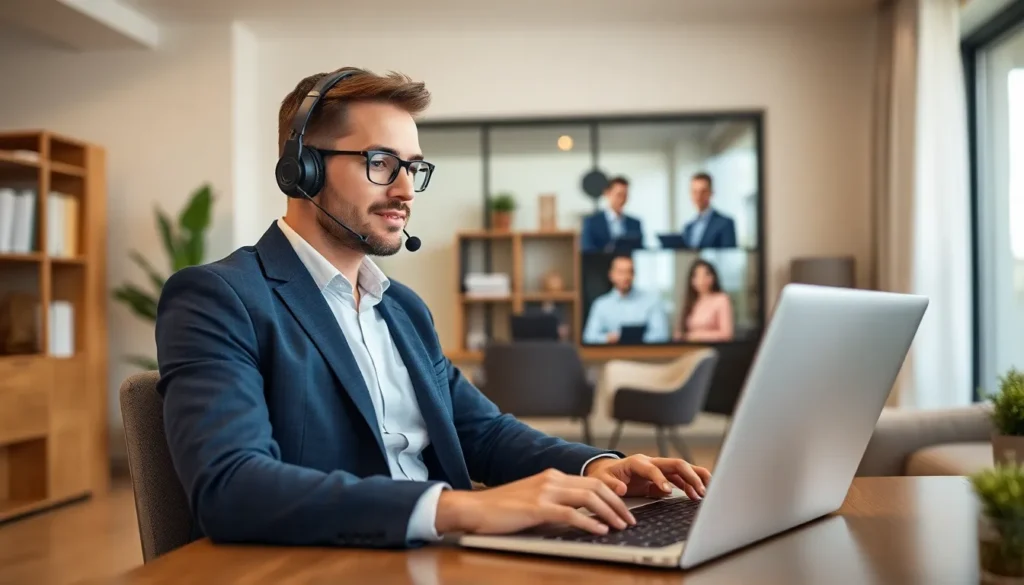
A remote closer is a sales specialist responsible for finalizing sales agreements and securing deals through remote communication methods rather than in-person meetings. This role primarily involves interacting with potential clients via phone calls, video conferencing, email, or other digital communication platforms to persuade and negotiate terms that lead to a completed sale.
Detailed Explanation
Remote closers operate in various industries, including real estate, software sales, consulting, coaching, and other sectors where products or services can be marketed and sold without physical presence. Their main objective is to convert prospects into paying customers by addressing objections, providing information, and guiding the negotiation process to a successful conclusion. Unlike traditional sales roles that often require face-to-face meetings, remote closers utilize technology to maintain communication and manage client relationships.
How It Works
The remote closing process typically begins after initial lead generation and qualification stages, which may be handled by other team members. Once the prospect is identified as a potential customer, the remote closer initiates contact through digital means. They then conduct presentations, answer questions, and negotiate terms until an agreement is reached. The entire sales cycle can be managed remotely, including contract signing through electronic signatures and follow-up communications.
Examples
- Real Estate: A remote closer may finalize property sales by conducting virtual tours and negotiating offers via video calls and digital contracts.
- Software Sales: Closing deals for software subscriptions or licenses through webinars, demos, and remote contract management.
- Coaching Services: Securing coaching clients by discussing service packages and payment options remotely.
Why It Matters
The remote closer role has gained prominence due to increased digitalization and the rise of remote work, enabling businesses to reach broader markets without geographic limitations. It allows companies to reduce costs associated with travel and in-person meetings while maintaining or improving sales efficiency. Additionally, remote closing caters to customers preferring virtual interactions, which has become more common in recent years.
Common Misconceptions
Misconception: Remote closers only make cold calls.
Correction: Remote closers often engage with warm leads or qualified prospects rather than cold calling, focusing on closing rather than prospecting.
Misconception: Remote closing is less effective than face-to-face sales.
Correction: Remote closing can be equally or more effective depending on the industry, communication skills, and technology used.
Pros and Cons
Comparison Table
| Aspect | Remote Closer | Traditional Closer |
|---|---|---|
| Meaning | Sales professional who closes deals remotely using digital communication. | Sales professional who closes deals primarily through in-person meetings. |
| Communication Method | Phone, video calls, email, chat. | Face-to-face interactions. |
| Work Location | Remote, flexible locations. | Typically office or client site. |
| Client Reach | Potentially global. | Often local or regional. |
| Technology Dependence | High. | Moderate. |
Decision Checklist
- Use this if you need to close sales without geographical constraints and want to leverage digital communication.
- Avoid this if your product or service requires physical demonstration or in-person evaluation to close effectively.
- Check this first whether your target market is comfortable with remote communication and online transactions.
What is the easiest way to understand a Remote Closer?
The easiest way to understand a remote closer is to think of them as a salesperson who uses phone calls, video chats, and emails to finalize deals and contracts instead of meeting clients face-to-face. They rely on digital tools to build trust, negotiate terms, and complete sales from any location.
FAQ
What skills are essential for a remote closer?
Key skills include strong communication, negotiation, familiarity with digital communication tools, empathy, and the ability to build rapport remotely.
Can a remote closer handle the entire sales process?
Typically, remote closers focus on the closing stage, while other team members may handle lead generation and qualification, but some remote closers manage end-to-end sales.
Is remote closing effective for all industries?
Remote closing is effective in industries where products or services can be sold without physical presence, such as digital products, consulting, or real estate with virtual tours, but less so when physical demonstration is critical.




Leave a Reply