
Short Answer
Overview
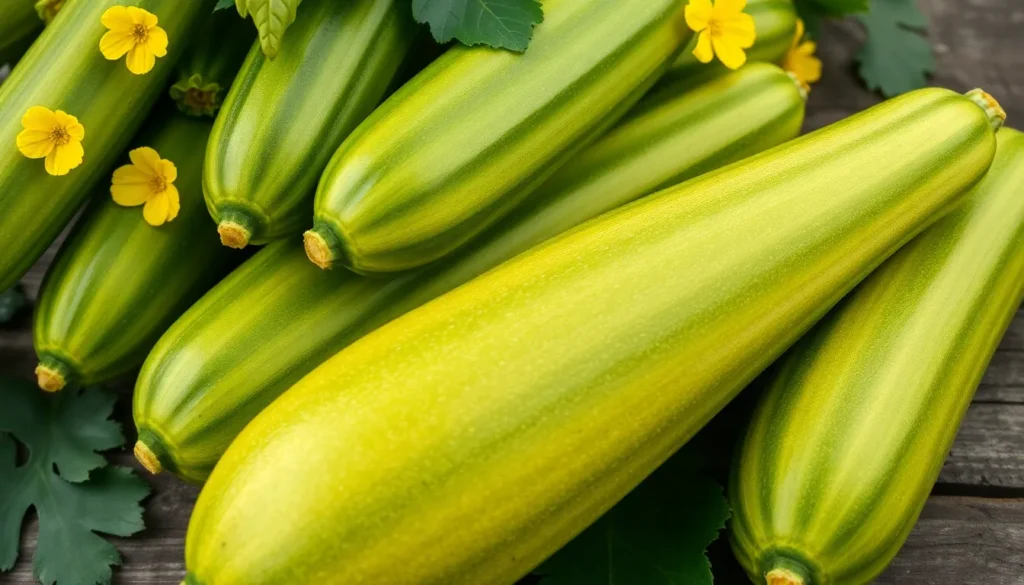
The courgette, also known as zucchini in North America and some other English-speaking regions, is a type of summer squash that is harvested when immature, typically green in color, and characterized by its mild flavor and tender texture. It is botanically classified as a fruit but is commonly treated as a vegetable in culinary contexts. Courgettes belong to the species Cucurbita pepo, which includes various types of squashes and pumpkins. They are widely cultivated and consumed across many parts of the world and form an important component of various cuisines due to their versatility and nutritional profile.
Detailed Explanation
Courgettes originated in the Americas, with ancestors of the modern varieties domesticated thousands of years ago. The plant produces elongated fruits that are typically harvested when small and tender, usually between 15 and 25 centimeters in length. Their skin is generally green but can also be yellow or striped depending on the variety. The flesh inside is pale and contains small, edible seeds.
As a member of the Cucurbitaceae family, courgettes grow on trailing or climbing plants. They require a warm growing season and are generally cultivated as annuals. The fruits have a high water content and are low in calories. Nutritionally, courgettes provide dietary fiber, vitamins such as vitamin C and vitamin A, and minerals including potassium and manganese.
How It Works
In terms of plant biology, courgettes develop from the female flowers of the plant after pollination. The flowers are typically large and yellow, and pollination is often carried out by insects such as bees. Once pollinated, the ovary of the flower enlarges to become the fruit. The fruit grows rapidly and is harvested while immature to ensure a tender texture and mild flavor.
Culinarily, courgettes are prepared and consumed in various ways. They can be eaten raw, sliced into salads or crudités, or cooked by methods such as steaming, grilling, sautéing, baking, or frying. Their mild flavor allows them to absorb other ingredients’ tastes, making them suitable for both savory and sweet dishes. Additionally, courgettes are often used as a low-carbohydrate substitute for pasta or bread in certain diets.
Examples
- Raw Courgette: Thinly sliced or spiralized courgette used in salads or as a raw snack.
- Grilled Courgette: Sliced courgette grilled with olive oil and herbs, often served as a side dish.
- Courgette Bread: A type of sweet bread incorporating grated courgette to add moisture and texture.
- Stuffed Courgette: Courgette hollowed out and filled with meat, vegetables, or grains before baking.
Why It Matters
Courgettes are significant in culinary and nutritional contexts due to their versatility, ease of cultivation, and health benefits. They are a low-calorie food rich in essential nutrients and antioxidants, making them useful in promoting balanced diets. Their adaptability in cooking enhances the variety of meals and supports dietary preferences ranging from vegetarian to gluten-free. Furthermore, courgettes contribute to sustainable agriculture as they can be grown in various climates and typically yield abundant crops.
Common Misconceptions
Misconception: Courgettes and zucchinis are different vegetables.
Correction: Courgette and zucchini are two names for the same vegetable; the term ‘courgette’ is primarily used in the United Kingdom and parts of Europe, while ‘zucchini’ is common in North America and Australia.
Misconception: Courgettes are vegetables botanically.
Correction: Botanically, courgettes are fruits because they develop from flowers and contain seeds, but they are culinarily treated as vegetables.
Pros and Cons
Pros:
- Low in calories and rich in nutrients.
- Versatile in culinary uses, suitable for many dishes.
- Relatively easy to grow in various climates.
- High water content aids hydration.
Cons:
- Perishable and prone to spoilage if not stored properly.
- Can be bland if not prepared with complementary flavors.
- Potential allergenic reactions in rare cases.
Comparison Table
| Aspect | Courgette | Alternative/Related Topic (Pumpkin) |
|---|---|---|
| Meaning | A type of summer squash harvested immature and used as a vegetable. | A larger fruit from the same family, often used in autumn dishes and for decoration. |
| Typical Color | Green, yellow, or striped. | Orange, sometimes white or green. |
| Usage | Raw or cooked in various dishes. | Mostly cooked, often in soups, pies, or roasted. |
| Size | Usually 15-25 cm in length. | Can be very large, several kilograms. |
| Botanical Family | Cucurbitaceae | Cucurbitaceae |
Decision Checklist
What is the easiest way to understand Courgette?
The easiest way to understand a courgette is to recognize it as a type of young, green squash commonly used as a vegetable in cooking, prized for its mild taste and adaptability in a wide range of dishes. It is essentially the same as zucchini, differing mostly in regional naming conventions.
FAQ
Is a courgette a fruit or a vegetable?
Botanically, a courgette is a fruit because it develops from the flower of the plant and contains seeds. However, it is commonly treated as a vegetable in cooking due to its culinary uses.
What is the difference between a courgette and a zucchini?
There is no difference; 'courgette' and 'zucchini' are different names for the same vegetable. 'Courgette' is used primarily in the UK and parts of Europe, while 'zucchini' is commonly used in North America and Australia.
How should courgettes be stored to maintain freshness?
Courgettes should be stored in a cool, dry place or in the refrigerator, ideally in a perforated plastic bag to maintain moisture balance. They are best consumed within a few days of harvest to prevent spoilage.






Leave a Reply