
Short Answer
Overview
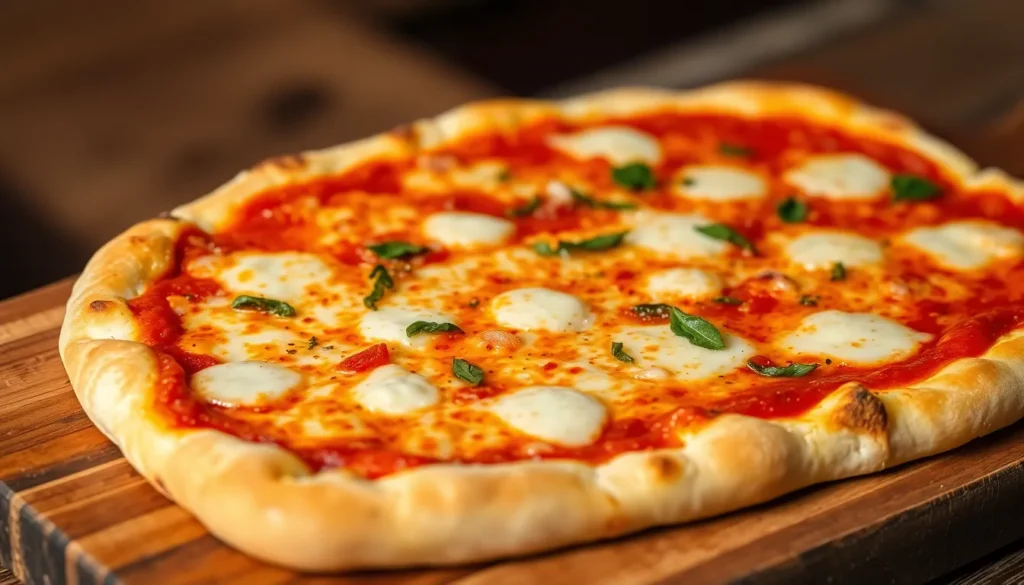
Sicilian pizza, also known as “sfincione” in its native Sicily, is a distinctive type of pizza that is traditionally rectangular and characterized by a thick, spongy crust. Originating from the island of Sicily in Italy, this pizza style has gained popularity worldwide, particularly in North America, where it is often served in square slices. Sicilian pizza is known for its hearty base, generous use of tomato sauce, and a variety of toppings that may include cheese, herbs, and sometimes anchovies or onions.
Detailed Explanation
The dough used for Sicilian pizza is typically made with high-gluten flour, which provides a chewy texture. It is allowed to rise longer than other pizza doughs, resulting in a thick, airy base that is often compared to focaccia bread. The pizza is traditionally baked in a rectangular pan, which contributes to its distinctive shape and crust texture. The tomato sauce used is usually rich and seasoned with garlic, oregano, and olive oil.
Cheese varieties can differ, but it commonly includes grated caciocavallo or pecorino in Sicily, while mozzarella is prevalent in American adaptations. Additional toppings may vary by region, but the classic Sicilian pizza maintains a balance between its thick crust and the toppings, avoiding overloading to ensure proper cooking.
How It Works
The preparation of Sicilian pizza begins with the dough, which is mixed and left to rise for an extended period to develop its distinctive texture. The dough is then spread into a well-oiled rectangular pan to prevent sticking and to create a crispy bottom crust during baking. After a brief pre-baking step, the pizza is topped with the tomato sauce and cheese, followed by any additional toppings.
The pizza is then baked at a high temperature, often between 450°F to 500°F (230°C to 260°C), allowing the crust to become crisp on the outside while remaining soft and airy inside. The extended rise time and baking method differentiate it from thinner pizza styles, producing a substantial and filling dish.
Examples
- Sfincione Palermitano: A traditional Sicilian version from Palermo featuring a thick dough base, tomato sauce, onions, anchovies, and a hard cheese topping, often topped with breadcrumbs.
- American Sicilian: A popular variation in the United States characterized by a thick rectangular crust, tomato sauce, mozzarella cheese, and often topped with pepperoni or other common pizza toppings.
- Sicilian-style Focaccia Pizza: This variation resembles focaccia bread topped with tomatoes, herbs, and sometimes olives or anchovies, emphasizing the bread-like quality of the crust.
Pros and Cons
Pros:
- Thick, airy crust offers a hearty and satisfying base.
- Retains moisture well, preventing toppings from drying out.
- Versatile in toppings, allowing for regional and personal variations.
Cons:
- Longer preparation and baking time compared to thinner pizzas.
- Can be heavier and more filling, which may not appeal to all pizza eaters.
- Less crispy overall compared to thin-crust pizzas, which some may find less appealing.
Comparison Table
| Aspect | Sicilian Pizza | Neapolitan Pizza |
|---|---|---|
| Meaning | Thick, rectangular pizza with a spongy crust originating from Sicily. | Thin, round pizza with a soft yet crisp crust originating from Naples. |
| Crust | Thick, airy, focaccia-like texture. | Thin and soft with a slight char. |
| Shape | Rectangular or square. | Round. |
| Common Toppings | Tomato sauce, cheese (mozzarella or local cheeses), onions, anchovies, breadcrumbs. | Tomato sauce, mozzarella, basil, olive oil. |
| Baking Method | Baked in a pan at high temperature with longer rise times. | Baked in a wood-fired oven at very high temperature briefly. |
Decision Checklist
- Use this if you prefer a thick, hearty pizza with a bread-like crust and enjoy robust toppings.
- Avoid this if you prefer thin, crispy pizza or are looking for a quick-cooking pizza style.
- Check this first if you want a pizza that holds toppings well and offers a filling meal rather than a light snack.
What is the easiest way to understand Sicilian Pizza?
The easiest way to understand Sicilian pizza is to think of it as a thick, rectangular focaccia topped with tomato sauce, cheese, and other ingredients. Unlike thin-crust pizzas, its defining characteristic is its thick, airy base that provides a substantial texture and flavor foundation.
FAQ
What makes Sicilian pizza different from other pizzas?
Sicilian pizza is distinguished by its thick, rectangular crust, which is airy and focaccia-like, as opposed to the thin, round crusts typical of other pizza styles like Neapolitan.
Is Sicilian pizza always rectangular?
Traditionally, Sicilian pizza is rectangular or square, baked in a pan, although variations exist. The shape is one of its defining features.
What toppings are typically used on Sicilian pizza?
Common toppings include a rich tomato sauce, mozzarella or local cheeses, onions, anchovies, and sometimes breadcrumbs. However, toppings can vary by region or personal preference.

Leave a Reply