
Short Answer
Overview
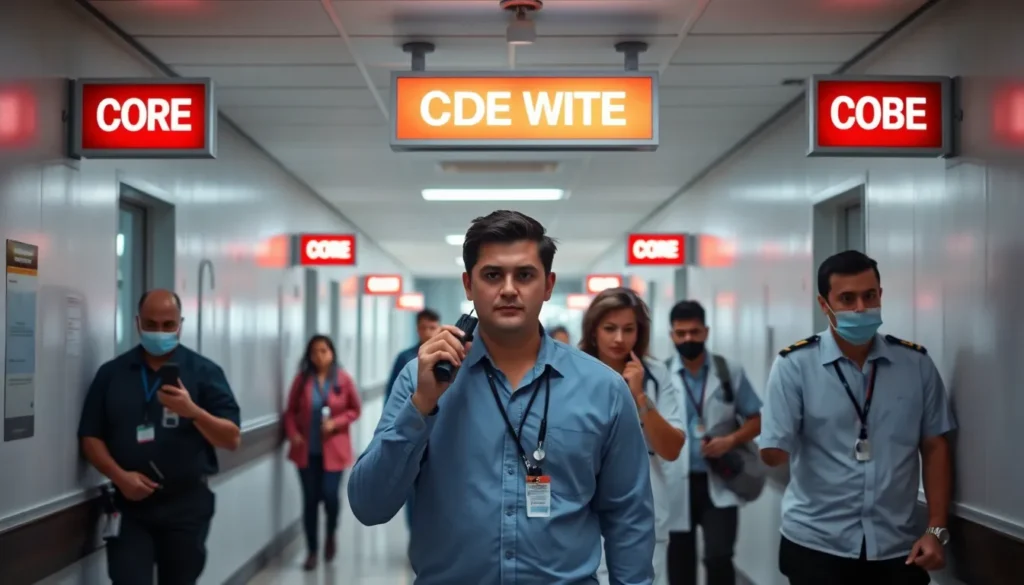
A Code White is a standardized alert used in many hospitals and healthcare facilities to signal the presence of a violent, aggressive, or potentially dangerous person. This code is part of a broader color-coded emergency system designed to communicate specific types of emergencies quickly and efficiently to hospital staff. The primary purpose of a Code White is to prompt an immediate and coordinated response to ensure the safety of patients, visitors, and healthcare workers.
Detailed Explanation
While emergency code colors vary somewhat between regions and institutions, a Code White typically refers to situations involving aggression, violence, or threats within the hospital environment. This can include physically aggressive patients, visitors exhibiting threatening behavior, or any scenario where staff safety is at risk due to violent actions.
Hospitals implement Code White protocols to manage these situations effectively, often involving security personnel, specialized response teams, and trained medical staff. The code serves as a discreet but urgent call for help, activating procedures designed to de-escalate the situation and protect everyone involved.
It is important to note that the exact definition and use of Code White can differ depending on hospital policy and geographic location. In some institutions, Code White may also relate to pediatric emergencies or other specific incidents, but the most common usage pertains to violent or aggressive behavior.
How It Works
When a staff member identifies a violent or aggressive individual or situation, they initiate a Code White alert. This can be done through a hospital’s communication system, such as a phone call, overhead announcement, or electronic alert system.
Once activated, designated response teams are mobilized. These teams typically include security personnel trained in conflict resolution and physical intervention, as well as healthcare professionals skilled in managing aggressive patients. The objective is to contain the situation quickly and safely, minimizing harm and restoring order.
Staff training is a critical component of how Code White functions. Regular drills and education ensure that employees recognize the code immediately, understand their roles, and respond appropriately. Hospitals may also have post-incident protocols to support affected staff and patients.
Examples
- A patient becomes physically violent: A patient experiencing severe distress or mental health crisis might lash out, prompting a Code White to protect staff and other patients.
- A visitor threatens staff: A family member or visitor who becomes aggressive or disruptive may cause a Code White to be called to manage the threat.
- Staff member threatened with a weapon: In rare cases, a person carrying a weapon or exhibiting threatening behavior may trigger a Code White to ensure rapid security intervention.
Why It Matters
Code White alerts are crucial for maintaining safety in hospitals, which can be high-stress environments with vulnerable populations. Violent incidents can jeopardize patient care, lead to injuries, and create a climate of fear among staff and visitors. By having a clear, standardized response system, hospitals can reduce the risk of harm and improve overall workplace safety.
Common Misconceptions
Misconception: Code White only applies to pediatric emergencies.
Correction: While some hospitals may use Code White to indicate pediatric emergencies, the most common and widespread usage refers to incidents involving violence or aggression.
Misconception: Code White means a medical emergency like a cardiac arrest.
Correction: Medical emergencies such as cardiac arrest are typically designated by other codes, such as Code Blue. Code White specifically addresses safety and security threats.
Pros and Cons
Pros:
- Enables rapid, coordinated response to violent incidents.
- Protects hospital staff, patients, and visitors from harm.
- Standardizes communication for safety emergencies.
- Promotes staff awareness and preparedness through training.
Cons:
- Variability in code meanings across hospitals can cause confusion.
- Possible overuse or false alarms may desensitize staff.
- Does not address root causes of violence, only immediate response.
- May cause anxiety or fear among patients and visitors when announced publicly.
Comparison Table
| Aspect | Code White | Code Blue |
|---|---|---|
| Meaning | Alert for violent/aggressive person or situation | Medical emergency, typically cardiac or respiratory arrest |
| Primary Response Team | Security and de-escalation team | Medical resuscitation team |
| Typical Use | Managing safety threats and aggression | Providing emergency life-saving care |
| Communication Method | Overhead announcement, electronic alert | Overhead announcement, code pager |
Decision Checklist
What is the easiest way to understand Code White?
The simplest way to understand a Code White in a hospital is as an urgent call for help when someone becomes violent or aggressive, signaling staff to initiate safety protocols and security intervention to prevent harm.
FAQ
What does Code White mean in hospitals?
Code White usually indicates a situation involving a violent or aggressive person, requiring immediate intervention to ensure safety.
Is Code White used the same way everywhere?
No, the meaning of Code White can vary between hospitals and regions; some may use it for pediatric emergencies, but it most commonly signals violent behavior.
Who responds to a Code White alert?
Typically, hospital security personnel and trained medical staff respond to manage and de-escalate the situation safely.




Leave a Reply