
Short Answer
Overview
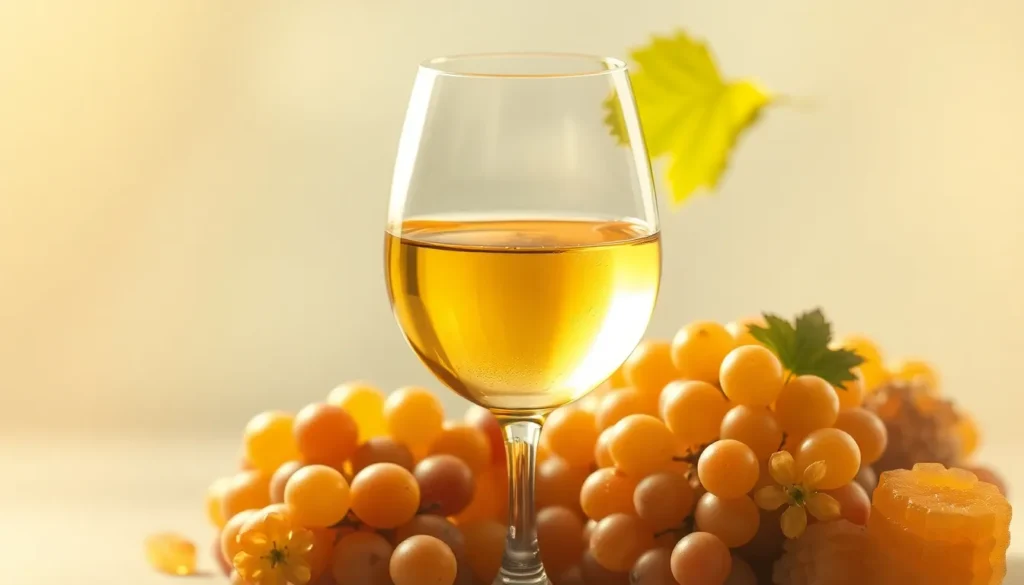
Sweet white wine refers to a type of white wine that contains a perceptible amount of residual sugar, which gives the wine a sweet flavor profile. Unlike dry white wines, which have little to no residual sugar, sweet white wines retain varying degrees of natural grape sugars after fermentation. These wines can range from lightly sweet to intensely sugary and are enjoyed worldwide for their diverse styles and food pairing versatility.
Detailed Explanation
The sweetness in white wine results from the amount of residual sugar left after the fermentation process. Typically, during fermentation, yeast converts grape sugars into alcohol. However, winemakers may stop fermentation early or use specific techniques to preserve some sugar, creating a sweet wine. Factors such as grape variety, harvesting time (often late harvest), and climate also influence the sweetness and flavor profile.
How It Works
There are several methods used to produce sweet white wines:

- Stopping Fermentation Early: By chilling or filtering the wine to halt yeast activity, some sugar remains unfermented.
- Late Harvest: Grapes are left on the vine longer to concentrate sugars, often resulting in naturally sweeter wines.
- Botrytis Cinerea (Noble Rot): A beneficial fungus that dehydrates grapes, concentrating sugars and flavors, used in wines like Sauternes.
- Fortification: Adding distilled spirits to the wine to stop fermentation, preserving sugar, as seen in some dessert wines.
Each method affects the wine’s balance of sweetness, acidity, and flavor complexity.
Examples
- Moscato d’Asti: A lightly sparkling, sweet white wine from Italy known for its fruity and floral notes.
- Sauternes: A famous French sweet white wine made using botrytis-affected grapes, noted for its rich texture and honeyed flavors.
- Riesling: Can range from dry to very sweet; sweet Rieslings typically exhibit crisp acidity balancing the sugar content.
- Gewürztraminer: Often produced in sweet styles with aromatic and spicy characteristics.
- Ice Wine (Eiswein): Made from grapes that have naturally frozen on the vine, concentrating sugars and acidity.
Pros and Cons
- Pros: Sweet white wines can pair well with spicy foods and desserts, offer a refreshing alternative to dry wines, and appeal to those preferring sweeter beverages.
- Cons: They may be perceived as cloying by some wine drinkers, have higher sugar content, and can be less versatile with savory dishes compared to dry wines.
Comparison Table
| Aspect | Sweet White Wine | Dry White Wine |
|---|---|---|
| Meaning | White wine with noticeable residual sugar, offering a sweet taste. | White wine with minimal residual sugar, resulting in a dry taste. |
| Typical Sweetness Level | Medium to high residual sugar. | Low to no residual sugar. |
| Common Grape Varieties | Moscato, Riesling, Gewürztraminer, Semillon. | Sauvignon Blanc, Chardonnay, Pinot Grigio. |
| Food Pairing | Desserts, spicy cuisine, blue cheese. | Seafood, salads, light poultry dishes. |
| Alcohol Content | Generally moderate, can vary with fermentation stopping point. | Varies, often similar to sweet whites but may be slightly higher due to full fermentation. |
Decision Checklist
- Use this if you prefer sweeter beverages or are pairing wine with desserts or spicy dishes.
- Avoid this if you dislike sweet flavors in wine or are serving it with dry or savory meals.
- Check this first by looking at the wine’s label or description for terms like “sweet,” “late harvest,” or residual sugar content.
What is the easiest way to understand Sweet White Wine?
The simplest way to understand sweet white wine is to recognize it as white wine that tastes noticeably sweet due to leftover natural grape sugars that remain after fermentation. Its sweetness level can be identified by tasting or by checking wine labels for descriptors such as “sweet,” “dessert wine,” or specific styles known for sweetness.
FAQ
What makes a white wine sweet?
A white wine is considered sweet when it contains residual sugar left after fermentation, which is the natural sugar from grapes that has not been converted into alcohol.
Can dry white wines be sweetened?
While some wines may have sweetness added, traditional dry white wines are fermented to completion to minimize residual sugar and are not typically sweetened after fermentation.
What foods pair well with sweet white wines?
Sweet white wines pair well with desserts, spicy cuisine (such as Thai or Indian dishes), and certain cheeses like blue cheese, as the sweetness can balance heat and saltiness.



Leave a Reply