
Short Answer
Overview
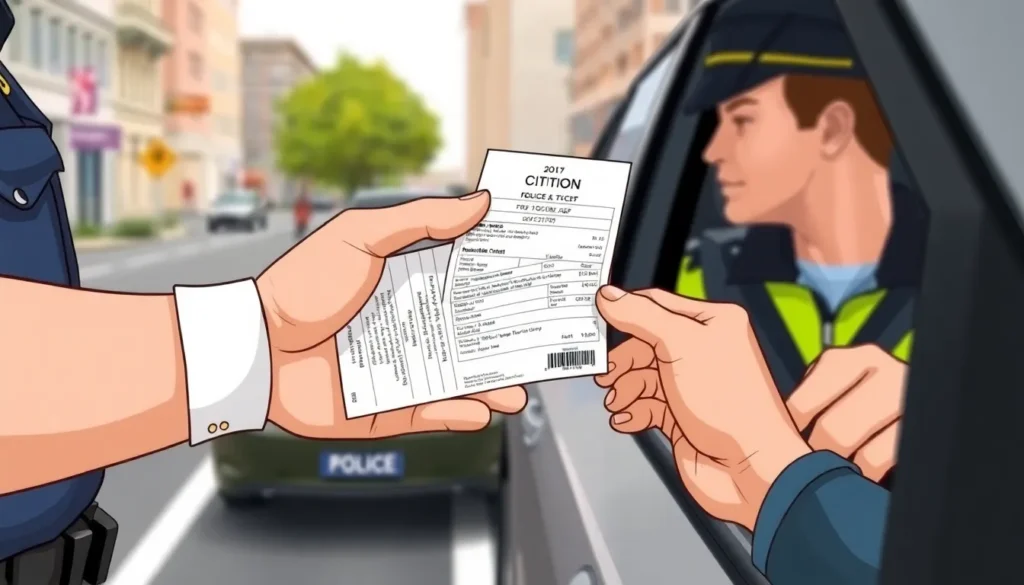
A citation ticket is an official document issued by law enforcement officers or authorized personnel to a person who is accused of committing a violation of law, typically related to traffic or minor legal infractions. The ticket serves as a formal notice of the alleged offense and provides the recipient with information on how to respond, whether by paying a fine, appearing in court, or contesting the charge.
Detailed Explanation
Citation tickets are commonly associated with traffic violations such as speeding, running a red light, illegal parking, or failure to comply with traffic signs. However, they can also be issued for other minor legal violations depending on jurisdiction. The ticket usually contains specific information including the date and time of the offense, location, nature of the violation, the issuing officer’s identification, and instructions on how to proceed.
Issuing a citation ticket does not necessarily mean the recipient is guilty; rather, it is a formal allegation that requires a response. Failure to respond to a citation can result in additional penalties, including fines, license suspension, or arrest warrants.
How It Works
When an officer observes or detects an alleged violation, they may stop the individual involved and issue a citation ticket. The recipient is typically given a copy of the ticket with details about the offense and options for resolving the matter. These options often include paying a fine by a specified deadline, appearing in court to contest the ticket, or sometimes attending traffic school to reduce penalties.
The citation process varies by jurisdiction but generally follows a set procedure to ensure due process rights. Records of citation tickets are often maintained by courts or motor vehicle departments and may impact the recipient’s driving record or legal status if unresolved.
Examples
- Speeding Ticket: A driver caught exceeding the posted speed limit receives a citation ticket specifying the speed recorded and instructions for paying the associated fine or contesting the charge.
- Parking Violation Ticket: A vehicle parked illegally, such as in a no-parking zone or expired meter area, results in a citation ticket that informs the owner of the violation and payment requirements.
- Red Light Violation Ticket: When a driver fails to stop at a red traffic light and is either observed by an officer or captured by a traffic camera, a citation ticket may be issued detailing the offense.
Why It Matters
Citation tickets play a critical role in enforcing laws and regulations, promoting public safety, and maintaining order. They provide a standardized way to document offenses and ensure individuals are notified and given the opportunity to address alleged violations. By doing so, citation tickets help uphold legal accountability and can deter unlawful behavior.
Common Misconceptions
Misconception: A citation ticket means the recipient is automatically guilty.
Correction: A citation ticket is a formal allegation, and the recipient has the right to contest the charge in court.
Misconception: Ignoring a citation ticket has no consequences.
Correction: Failing to respond to a citation ticket can result in additional penalties, including increased fines or legal action.
Pros and Cons
Pros: Citation tickets provide a clear, formal method for documenting and addressing legal violations. They allow for due process and typically offer options to resolve the issue without arrest or court trial.
Cons: Citation tickets can sometimes be issued in error or disputed, which requires time and effort to resolve. They may also lead to increased insurance rates or other penalties if violations are confirmed.
Comparison Table
| Aspect | Citation Ticket | Alternative/Related Topic (Arrest Warrant) |
|---|---|---|
| Meaning | Formal notice of a minor legal or traffic violation requiring response. | Legal document authorizing law enforcement to arrest an individual. |
Decision Checklist
What is the easiest way to understand a Citation Ticket?
The easiest way to understand a citation ticket is to view it as an official notice informing you that you are accused of a specific minor legal violation, usually related to traffic, and that you must take action—either by paying a fine, contesting the charge, or following other instructions provided to resolve the matter.
FAQ
What should I do when I receive a citation ticket?
You should carefully read the ticket to understand the alleged violation and follow the instructions provided, which usually include paying a fine or appearing in court by the deadline.
Can I dispute a citation ticket?
Yes, most jurisdictions allow you to contest a citation ticket in court, where you can present your case and potentially have the ticket dismissed or reduced.
What happens if I ignore a citation ticket?
Ignoring a citation ticket can lead to additional penalties such as increased fines, suspension of driving privileges, or even warrants for your arrest depending on the jurisdiction.





Leave a Reply