
Short Answer
Overview
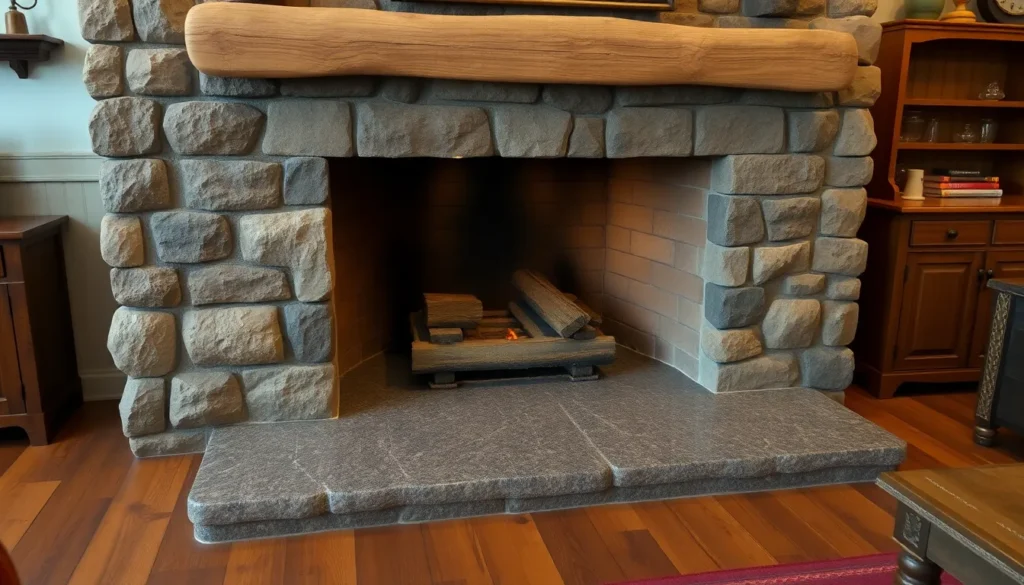
A fireplace hearth is the non-combustible surface located at the base of a fireplace. It typically extends both inside the firebox and outward into the room, providing a protective area that shields surrounding floors and walls from heat, sparks, and embers emitted during a fire. The hearth plays a critical role in fire safety and is often a key design element in both traditional and modern fireplaces.
Detailed Explanation
The hearth is generally constructed from materials that can withstand high temperatures, such as stone, brick, tile, concrete, or metal. It forms the floor of the fireplace firebox—the area where fuel is burned—and extends outward in front of the fireplace opening. The size and shape of the hearth are often regulated by building codes and safety standards to ensure adequate protection for combustible flooring and nearby furnishings.
In addition to its protective function, the hearth serves an aesthetic purpose. It contributes to the overall design and style of the fireplace, complementing mantels, surrounds, and the room’s decor. Hearths can be simple and utilitarian or elaborate and decorative, depending on architectural preferences.
How It Works
The primary function of a fireplace hearth is to provide a heat-resistant barrier between the burning fire and the room’s combustible materials. When a fire is lit, embers, sparks, and radiant heat can escape the firebox; the hearth prevents these from reaching flammable floors or carpets. The hearth also provides a stable base for the firewood or fuel and helps contain ashes and debris.
Building codes often specify minimum hearth dimensions to ensure safety, such as a minimum depth extending beyond the fireplace opening and minimum thickness to resist heat. Proper installation and material choice are essential to maximize the hearth’s protective function.
Examples
- Traditional Stone Hearth: Made from granite, marble, or slate, these hearths provide a durable and visually appealing surface often found in classic fireplace designs.
- Brick Hearth: Common in older homes, brick hearths are both functional and rustic in appearance, often integrated with brick fireboxes and surrounds.
- Tile Hearth: Decorative ceramic or porcelain tiles can be used to create colorful and patterned hearths in contemporary or Mediterranean-style interiors.
- Concrete Hearth: Modern hearths sometimes use poured concrete for a minimalist and industrial look, valued for its heat resistance and versatility.
Why It Matters
The hearth is essential for fire safety, preventing accidental fires by creating a heat-resistant zone around the fire. It also protects flooring and furnishings from damage caused by heat and stray embers. Beyond safety, the hearth contributes to the fireplace’s visual appeal and can influence the overall ambiance of a room.
Common Misconceptions
Misconception: The hearth is only decorative and does not affect safety.
Correction: The hearth serves a critical safety function by protecting combustible surfaces from heat and embers.
Misconception: Any material can be used as a hearth.
Correction: Hearths must be made of heat-resistant, non-combustible materials to comply with safety standards and building codes.
Pros and Cons
Pros: Provides essential fire safety protection; enhances fireplace aesthetics; offers a durable surface for firewood and fuel; available in various materials and styles.
Cons: Installation can be costly depending on materials; requires adherence to building codes; may require maintenance to preserve appearance and function.
Comparison Table
| Aspect | Fireplace Hearth | Fireplace Surround |
|---|---|---|
| Meaning | Non-combustible floor area inside and in front of the fireplace firebox | Decorative frame or structure surrounding the fireplace opening |
| Primary Function | Protects floors from heat and embers | Provides aesthetic enhancement and structural framing |
| Common Materials | Stone, brick, tile, concrete, metal | Wood, stone, brick, marble, metal |
| Fire Safety Role | Critical for safety compliance and protection | Generally decorative, not a safety barrier |
Decision Checklist
What is the easiest way to understand a Fireplace Hearth?
The easiest way to understand a fireplace hearth is to think of it as the non-flammable floor area that physically supports the fire inside the fireplace and protects the surrounding room from heat and stray sparks.
FAQ
What materials are best for a fireplace hearth?
Materials that are heat-resistant and non-combustible such as stone, brick, tile, concrete, and metal are best suited for fireplace hearths due to safety requirements.
How large should a fireplace hearth be?
Building codes typically require the hearth to extend at least 16 to 20 inches in front of the fireplace opening and 8 to 12 inches on each side, but specific dimensions depend on local regulations.
Can a fireplace hearth be decorative as well as functional?
Yes, while the hearth serves a protective function, it can also be an important decorative feature that complements the fireplace and room design.


Leave a Reply