
Short Answer
Overview
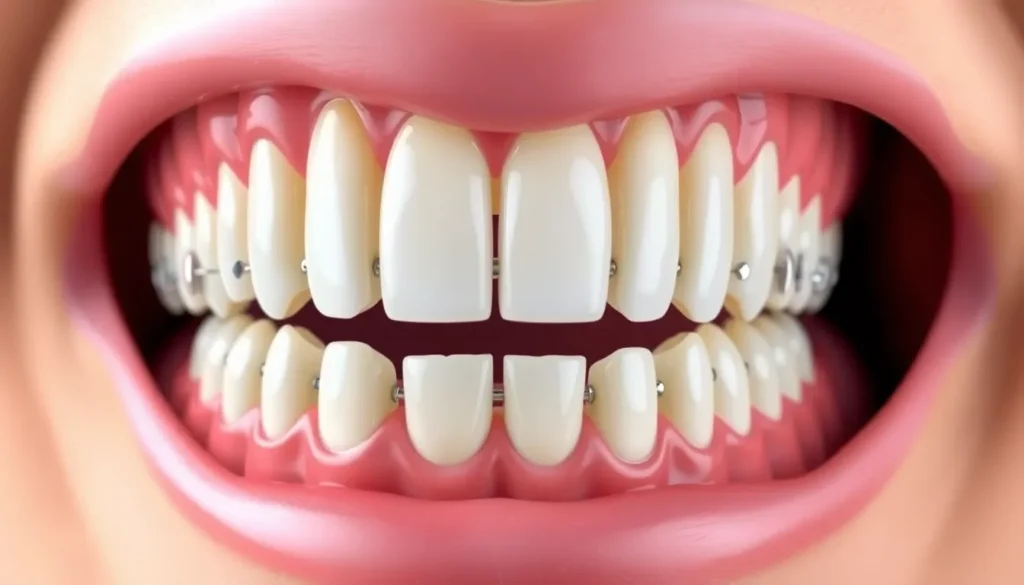
A partial denture is a type of removable dental prosthesis used to replace one or more missing teeth in a dental arch. Unlike full dentures, which replace all teeth, partial dentures fill gaps left by some missing teeth while the remaining natural teeth are preserved. These appliances help restore oral function, improve aesthetics, and maintain the structural integrity of the jaw and adjacent teeth.
Detailed Explanation
Partial dentures typically consist of replacement teeth attached to a gum-colored plastic base, which may be connected by metal frameworks or clasps that secure the denture to the natural teeth. They are custom-made to fit the patient’s mouth and can be removed for cleaning and maintenance. Materials used include acrylic resin for the base, porcelain or acrylic for the artificial teeth, and metal alloys for the framework. The design of partial dentures varies depending on the number and location of missing teeth, the condition of the remaining teeth, and patient preferences.
How It Works
Partial dentures function by filling the space created by missing teeth, thus preventing adjacent teeth from shifting into the gap, which can lead to bite problems and further tooth loss. The clasps or precision attachments anchor the denture securely to the remaining teeth, providing stability during chewing and speaking. By restoring the missing teeth, partial dentures help improve mastication, speech clarity, and overall facial appearance.
Examples
- Cast Metal Partial Dentures: These have a metal framework that offers strength and durability, often preferred for long-term use and for patients with strong opposing teeth.
- Acrylic Partial Dentures: Made entirely of acrylic resin, these are usually less expensive and used as temporary solutions or when only a few teeth are missing.
- Flexible Partial Dentures: Made from flexible thermoplastic materials, these provide improved comfort and aesthetics by eliminating metal clasps.
Pros and Cons
- Pros: Non-invasive, cost-effective, easy to adjust and repair, preserves remaining teeth by preventing movement, improves chewing and speech.
- Cons: May require periodic adjustments, less stable than fixed prosthetics, potential discomfort or soreness, requires diligent hygiene to prevent oral infections.
Comparison Table
| Aspect | Partial Denture | Dental Bridge |
|---|---|---|
| Meaning | Removable appliance replacing some missing teeth with a base and clasps. | Fixed prosthesis anchored to adjacent teeth to replace missing teeth. |
| Removability | Removable by patient for cleaning and maintenance. | Permanently cemented; not removable by patient. |
| Cost | Generally more affordable. | Typically more expensive due to fixed nature and preparation. |
| Impact on Adjacent Teeth | Minimal preparation; clasps may apply some pressure. | Requires reduction of adjacent teeth for crowns. |
| Longevity | Requires maintenance and replacement over time. | Longer-lasting if properly maintained. |
Decision Checklist
- Use this if: You have multiple missing teeth but still retain some natural teeth, desire a removable and cost-effective solution, or need a temporary replacement.
- Avoid this if: You seek a permanent prosthesis, have very few remaining teeth, or have allergies to denture materials.
- Check this first: The condition of your remaining teeth and gums, your oral hygiene habits, and your personal preferences regarding comfort and aesthetics.
What is the easiest way to understand a Partial Denture?
The easiest way to understand a partial denture is to think of it as a removable set of artificial teeth attached to a plastic or metal base that fills in the gaps where natural teeth are missing. It clips onto your existing teeth, allowing you to chew, speak, and smile more comfortably while maintaining the structure of your mouth.
FAQ
How long does a partial denture last?
Partial dentures typically last between 5 to 10 years, depending on the material used, oral hygiene, and changes in the mouth structure over time.
Can partial dentures be worn all day?
Partial dentures can be worn throughout the day but should be removed at night to allow the gums to rest and to maintain oral hygiene.
Are partial dentures uncomfortable?
Some initial discomfort or soreness is common when first wearing a partial denture, but with adjustment and proper fit, most users find them comfortable.



Leave a Reply