
Short Answer
Overview
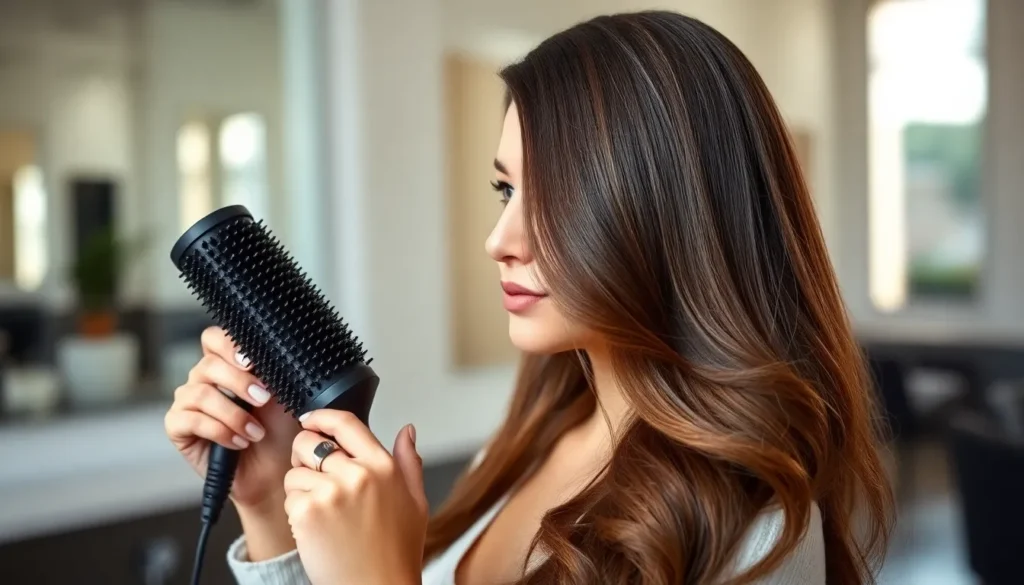
A blowout hair style, often simply called a blowout, refers to a hair drying and styling process that results in smooth, voluminous, and polished hair. This technique primarily uses a blow dryer combined with brushes and sometimes other styling tools to shape the hair while drying it. The goal is to create a sleek, shiny, and bouncy appearance, often with added volume and movement. Blowouts are popular both as a professional salon service and as a home styling method.
Detailed Explanation
The blowout method involves washing the hair and then drying it with a blow dryer while simultaneously using a brush to lift, smooth, and shape the hair strands. The process can be customized based on hair type and desired style, ranging from straight and silky to soft waves or curls with volume. Blowouts are favored because they provide a polished look that typically lasts several days without requiring extensive styling.
In salons, stylists use professional-grade dryers and a variety of brushes—such as round, paddle, or vent brushes—to manipulate hair texture and volume. The hair is usually sectioned to ensure even drying and styling, and heat protectants or styling products may be applied to enhance the finish and protect hair from damage.
How It Works
The blowout process works by combining the heat and airflow of a blow dryer with mechanical tension from brushing. Heat helps to temporarily reshape the hair’s keratin structure, allowing it to be styled into a smooth or voluminous form. Brushing the hair while drying helps to detangle, straighten, or curl sections depending on the brush type and technique, while directing airflow enhances the hair’s smoothness and shine.
The use of heat protectants is important to minimize potential damage caused by high temperatures. Additionally, the direction and temperature of the airflow, along with the brush technique, contribute to the final appearance—whether aiming for a sleek, straight look or a soft, bouncy finish.
Examples
- Straight Blowout: Hair is dried straight using a flat brush or round brush, resulting in sleek, shiny hair with volume at the roots.
- Voluminous Blowout: Emphasizes root lift and body with the use of round brushes and often a cool shot of air to set the volume.
- Wavy Blowout: Incorporates styling techniques like rolling hair around a round brush or using fingers to create gentle waves and movement while drying.
Why It Matters
The blowout technique is significant in hair care because it offers a non-chemical method to temporarily alter hair texture and appearance. It enhances hair manageability, provides a polished look, and can boost confidence and style versatility. For many, blowouts serve as the foundation for additional styling or as a way to maintain a professional and groomed appearance without daily heat styling.
Common Misconceptions
Misconception: Blowouts always damage hair.
Correction: When performed properly with heat protectants and appropriate tools, blowouts can be a safe styling method with minimal damage.
Misconception: Blowouts are only for long hair.
Correction: Blowouts can be adapted for various hair lengths and textures, including short hair.
Pros and Cons
Pros:
- Creates a polished, voluminous, and smooth hairstyle.
- Can extend the time between washes and styling.
- Provides versatility in styling options.
- Non-chemical and temporary, allowing frequent changes.
Cons:
- Frequent use of heat can lead to hair damage if not protected.
- Professional blowouts can be time-consuming and costly.
- Results may vary depending on hair type and condition.
- Requires skill and proper tools for best outcomes.
Comparison Table
| Aspect | Blowout Hair | Alternative/Related Topic |
|---|---|---|
| Meaning | A hair drying and styling technique using a blow dryer and brush to create smooth, voluminous hair. | Flat Iron Styling: Uses a flat iron to straighten hair with heat, typically resulting in a sleeker but less voluminous finish. |
| Duration | Usually lasts several days depending on hair type and care. | Air Drying: No heat used; results vary and often less polished or voluminous. |
| Damage Potential | Moderate if heat protectants and proper tools are used. | Chemical Straightening: Can cause more long-term damage due to chemical alteration of hair structure. |
Decision Checklist
What is the easiest way to understand Blowout Hair?
The easiest way to understand blowout hair is to think of it as a hairstyling method that uses a blow dryer and a brush to transform wet hair into a smooth, shiny, and voluminous style that looks professionally groomed and can last several days.
FAQ
How long does a blowout usually last?
A blowout typically lasts between two to five days depending on hair type, environmental factors, and how the hair is cared for after styling.
Can blowouts damage my hair?
Blowouts can cause damage if heat is applied excessively without protection. Using heat protectants and proper drying techniques can minimize damage.
Is a blowout suitable for all hair types?
Yes, blowouts can be adapted for most hair types and lengths, though techniques and tools may vary to achieve the desired results.




Leave a Reply