
Short Answer
Overview
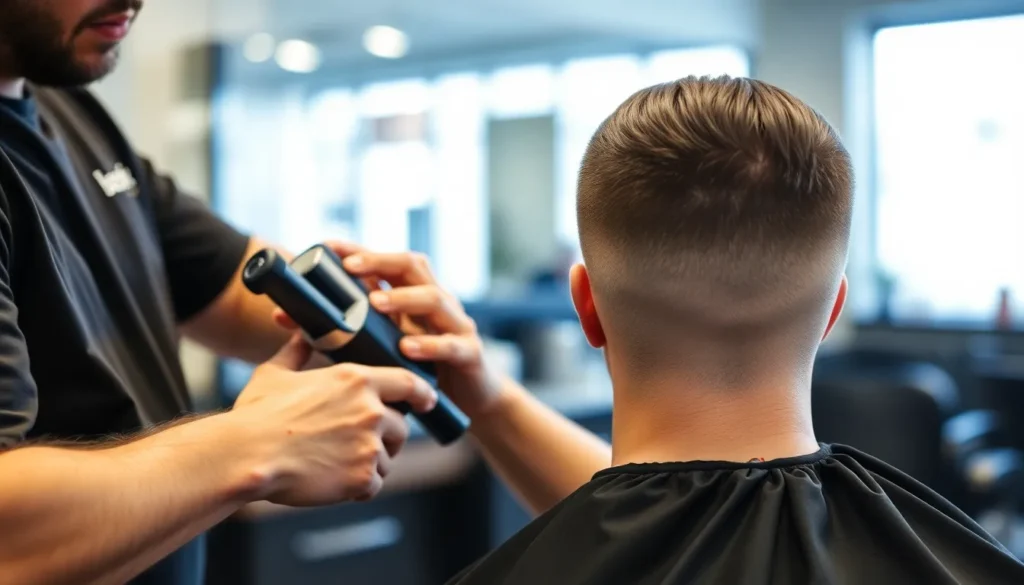
A taper cut haircut is a style where the hair length gradually decreases from the top of the head down to the neckline and sides, creating a smooth transition or “taper.” This haircut is popular among men and can also be adapted for women. It is known for its clean, neat appearance that maintains some length on top while the sides and back are trimmed shorter. The taper can vary in length and intensity depending on personal preference and hair type.
Detailed Explanation
The taper cut involves cutting the hair progressively shorter from the crown toward the neckline and sideburns, resulting in a subtle gradient effect. Unlike fades, which typically involve very short hair on the sides and back, a taper maintains some moderate length, making it less dramatic. The degree of taper can range from a slight shortening near the edges to a more pronounced contrast between the top and sides.
This haircut is versatile and suits a wide range of hair textures, including straight, wavy, and curly hair. Barbers often use clippers and scissors to achieve the taper, carefully blending the lengths to avoid harsh lines. The taper cut can be combined with other styles, such as pompadours, comb-overs, or textured looks, to enhance its appeal.
How It Works
The barber or stylist starts by trimming the hair on the sides and back, gradually decreasing the length as they move downward. The top is usually left longer to allow styling flexibility. Clippers are typically used for the sides and back, often starting with a higher guard number at the top and switching to lower guard numbers toward the bottom to create the taper effect.
Blending and texturizing techniques are used to ensure a seamless transition between different hair lengths. The taper cut requires precision to maintain the gradual length change without visible lines or steps. It can be customized based on face shape, hair density, and personal style preferences.
Examples
- Classic taper: Hair is longer on top with a subtle taper down the sides and back, usually ending above the ears.
- Low taper: The taper starts just above the ears and neck, providing a more conservative and smooth appearance.
- High taper: The taper begins higher on the head, closer to the crown, resulting in a more noticeable contrast between the top and sides.
- Taper with fade: Combines a taper cut with a fade, where the hair shortens dramatically to skin level at the lowest point, creating a sharper, more modern look.
Why It Matters
The taper cut is significant because it offers a balanced hairstyle that is both professional and stylish. It accommodates many hair types and face shapes, making it a versatile choice. Additionally, its gradual shortening technique is less harsh than fades, appealing to individuals seeking a neat yet understated look. The taper also facilitates easier maintenance compared to longer or more elaborate hairstyles.
Common Misconceptions
Misconception: A taper cut is the same as a fade.
Correction: While both involve gradually shortening hair, a taper cut typically maintains some length at the sides and back, whereas a fade often shortens hair down to the skin for a more dramatic contrast.
Misconception: Taper cuts only suit short hair.
Correction: Taper cuts can be applied to various hair lengths on top, from medium to longer hair, as the taper primarily affects the sides and back.
Pros and Cons
Comparison Table
| Aspect | Taper Cut Haircut | Fade Haircut |
|---|---|---|
| Meaning | Gradual decrease in hair length from top to neckline/sides with moderate length maintained. | Hair gradually shortens down to skin level, creating a sharp contrast. |
| Appearance | Natural, subtle transition with clean, professional look. | Dramatic, bold look with high contrast. |
| Maintenance | Requires regular trims but less frequent than fade. | Needs frequent touch-ups to keep sharpness. |
| Suitability | Works well for various hair textures and face shapes. | Best suited for those wanting a modern, edgy style. |
Decision Checklist
- Use this if: You want a clean, professional hairstyle with moderate contrast and easy styling options.
- Avoid this if: You prefer very short sides or a highly dramatic and edgy haircut.
- Check this first: Your hair texture and face shape to ensure the taper will complement your overall look.
What is the easiest way to understand a Taper Cut Haircut?
Think of a taper cut as a hairstyle where the hair gradually shortens as it moves down the head from the top, creating a smooth and natural transition without abrupt changes in length. It balances style and neatness, making it a popular choice for many.
FAQ
What is the difference between a taper cut and a fade?
A taper cut gradually shortens hair from the top toward the neckline and sides, maintaining some length, while a fade shortens hair down to the skin for a sharper contrast.
How often should I get a taper haircut?
Typically, a taper cut requires trimming every 3 to 6 weeks to maintain its clean and gradual transition appearance.
Can a taper cut work with curly hair?
Yes, taper cuts are versatile and can be adapted to various hair textures, including curly hair, by adjusting the length and blending technique accordingly.



Leave a Reply