
Short Answer
Overview
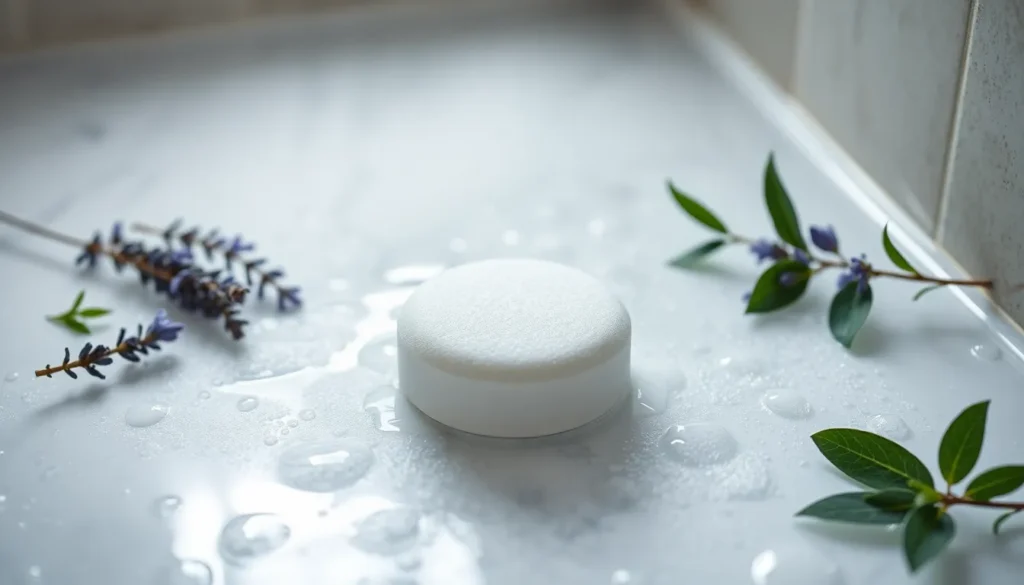
A shower steamer is a small, solid tablet or puck made primarily from water-soluble ingredients such as baking soda and citric acid. When placed on the floor of a shower or near a water source, the steamer reacts with water to release aromatic essential oils into the steam, creating a fragrant atmosphere. Shower steamers are often marketed as an alternative to bath bombs for individuals who prefer or require shower use over baths.
Detailed Explanation
Typically composed of ingredients like sodium bicarbonate (baking soda), citric acid, essential oils, and sometimes additional fragrances or botanicals, shower steamers are designed to dissolve slowly as water activates the acid-base reaction. This reaction produces carbon dioxide bubbles, allowing essential oils to disperse into the humid environment of the shower. Unlike traditional bath bombs, shower steamers do not include skin-conditioning agents since they are not intended to be in direct contact with the skin.
How It Works
When a shower steamer is placed on the shower floor or a ledge, the flow of water causes it to fizz and dissolve. The citric acid and baking soda react chemically, generating carbon dioxide gas and facilitating the release of essential oils encapsulated within. The steam and warm water vapor then carry these oils through the air, allowing the user to inhale the aromatic compounds. This process aims to provide a sensory experience similar to aromatherapy, potentially promoting relaxation, invigoration, or other mood effects depending on the type of essential oils used.
Examples
- Lavender Shower Steamer: Uses lavender essential oil, often associated with calming and stress relief.
- Eucalyptus Shower Steamer: Contains eucalyptus oil, which may support respiratory comfort and provide a refreshing sensation.
- Citrus Shower Steamer: Incorporates oils like lemon or orange, intended to uplift mood and energize.
Pros and Cons
- Pros: Easy to use, no skin contact required, can provide aromatherapy benefits in the shower, portable, and often made with natural ingredients.
- Cons: Limited duration per use, potential for slippery residue on the shower floor, may not be suitable for people with sensitivities or allergies to essential oils, and generally more expensive per use than some alternative products.
Comparison Table
| Aspect | Shower Steamer | Bath Bomb |
|---|---|---|
| Meaning | A solid tablet that releases essential oils when exposed to water in a shower. | A dissolvable mixture designed to release fragrance, color, and oils in bathwater. |
| Usage | Placed on shower floor or ledge; activated by water and steam. | Dropped into bathwater; dissolves fully to enhance bathing experience. |
| Skin Contact | Minimal to none; primarily for inhalation. | Direct skin contact; often contains skin conditioners. |
| Duration | Shorter, typically one shower session. | Longer; lasts the duration of the bath. |
Decision Checklist
- Use this if: You want aromatherapy benefits in the shower without direct skin contact.
- Avoid this if: You have allergies to essential oils or require a longer-lasting product.
- Check this first: Ensure the ingredients are compatible with your skin sensitivities and shower surface to avoid irritation or slipping hazards.
What is the easiest way to understand a Shower Steamer?
A shower steamer can be understood as a shower-friendly alternative to a bath bomb that releases essential oils into the steam, allowing users to enjoy aromatherapy effects while showering without needing to soak in water.
FAQ
Are shower steamers safe for all skin types?
Shower steamers are generally safe because they do not require direct skin contact; however, individuals with sensitivities or allergies to essential oils should exercise caution and review ingredient lists before use.
How long does a shower steamer last?
Typically, a shower steamer lasts for the duration of one shower session, dissolving gradually when exposed to water and steam.
Can shower steamers be used in bathtubs?
Shower steamers are formulated for use in showers and may dissolve too quickly or not function as intended in bathwater. Bath bombs are generally preferred for bathtubs.





Leave a Reply