
Short Answer
Overview
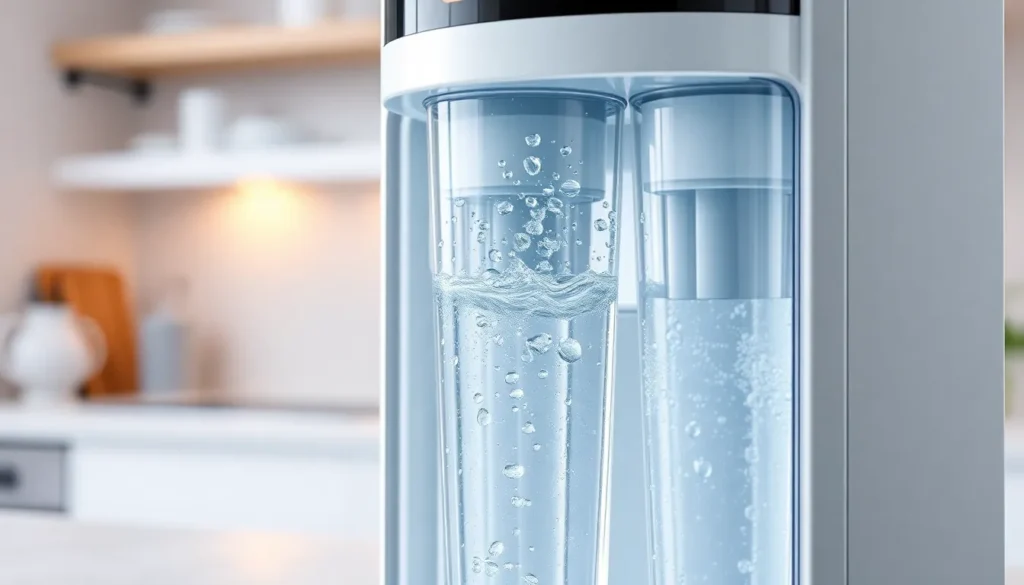
A water purifier is an apparatus or system that treats water to eliminate contaminants and improve its quality for safe consumption or use. Purification typically involves the removal of harmful substances such as bacteria, viruses, chemical pollutants, suspended solids, and other impurities that may be present in untreated water sources. Water purifiers are used in residential, commercial, and industrial settings to ensure access to clean and potable water.
Detailed Explanation
Water purifiers employ a range of physical, chemical, and biological processes to remove contaminants. These include filtration, adsorption, chemical treatment, and ultraviolet (UV) radiation. The primary goal is to reduce or eliminate pathogens and harmful substances that can cause illness or degrade water quality. Depending on the technology and design, water purifiers may target specific contaminants such as heavy metals, chlorine, sediments, or microbial organisms. The effectiveness of a water purifier depends on factors such as the source water quality, the purification technology used, and maintenance practices.
How It Works
Water purifiers operate by passing water through one or more stages of treatment. Common stages include:
- Pre-filtration: Removes large particles like sand, dirt, and rust.
- Activated carbon filtration: Adsorbs chlorine, odors, and organic compounds.
- Reverse osmosis (RO): Uses a semipermeable membrane to remove dissolved salts, heavy metals, and other microscopic contaminants.
- Ultraviolet (UV) purification: Uses UV light to inactivate bacteria and viruses.
- Ion exchange: Replaces undesirable ions (e.g., hardness ions) with more desirable ones.
These sequential processes collectively enhance water safety and taste by removing chemical and biological contaminants.
Examples
- Reverse Osmosis Systems: Widely used in homes and industries, RO systems force water through a fine membrane to remove impurities.
- UV Water Purifiers: Use ultraviolet light to sterilize water without adding chemicals, commonly employed in both portable and fixed units.
- Activated Carbon Filters: Effective in improving taste and removing chlorine and some organic compounds; often used as a preliminary treatment stage.
Why It Matters
Access to clean water is critical for health, hygiene, and overall well-being. Water purifiers help prevent waterborne diseases by eliminating pathogens and harmful chemicals that may be present in untreated water. They contribute to reducing the incidence of illnesses such as diarrhea, cholera, and dysentery. Furthermore, purified water supports industrial and medical applications where high water quality standards are necessary. Given global concerns about water pollution and scarcity, water purifiers play an essential role in ensuring safe water access.
Common Misconceptions
Misconception: All water purifiers remove every type of contaminant.
Correction: Different purifiers are designed for specific contaminants; no single purifier removes all impurities, so choosing one depends on the water source and contaminants.
Misconception: Boiling water is equivalent to water purification.
Correction: Boiling kills most microorganisms but does not remove chemical contaminants or particulates.
Pros and Cons
Pros:
- Improves water safety by reducing pathogens and harmful chemicals.
- Enhances taste and odor of drinking water.
- Protects against waterborne diseases.
- Variety of technologies suited for different needs.
Cons:
- Some purification systems require regular maintenance and filter replacement.
- Certain technologies can be costly to install and operate.
- Not all systems remove all types of contaminants.
- Wastewater generation in processes like reverse osmosis.
Comparison Table
| Aspect | Water Purifier | Alternative/Related Topic |
|---|---|---|
| Meaning | A device or system that removes contaminants from water to make it safe for drinking. | Water Filter: Primarily removes physical impurities and improves taste but may not eliminate all pathogens. |
Decision Checklist
What is the easiest way to understand What Is a Water Purifier?
Think of a water purifier as a multi-step cleaning system for water that removes harmful substances and microorganisms, ensuring the water you drink is safe and clean. Like a filter in your coffee maker but much more advanced, it uses technology to remove invisible and dangerous impurities that could affect your health.
FAQ
What contaminants can a water purifier remove?
Water purifiers can remove a variety of contaminants including bacteria, viruses, heavy metals, chlorine, sediments, and organic compounds depending on the technology used.
Is a water purifier necessary if my water looks clear?
Clear water does not always mean safe water; harmful microorganisms and dissolved chemicals can be invisible, so purification may still be necessary.
How often should I maintain or replace filters in a water purifier?
Maintenance frequency varies by system and usage but typically involves filter replacement every 3 to 12 months and regular cleaning to ensure optimal performance.




Leave a Reply