
Short Answer
Overview
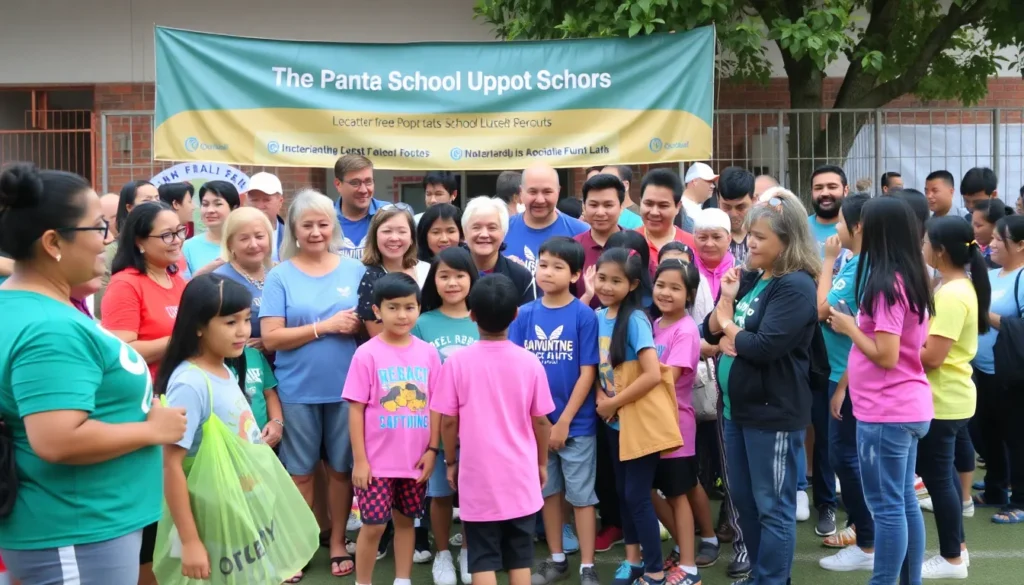
A booster club is a group, often composed of parents, community members, or supporters, dedicated to providing supplemental support to a specific school, athletic team, or extracurricular organization. These clubs typically focus on fundraising and volunteer work to enhance the experiences and resources available to the group they support. Booster clubs operate primarily in educational and community settings, aiming to bridge funding gaps and foster community spirit around particular programs or activities.
Detailed Explanation
Booster clubs are usually nonprofit organizations formed to support extracurricular activities such as sports teams, music programs, academic clubs, or other school-related functions. Their activities can include organizing fundraisers, coordinating volunteer efforts, purchasing equipment or uniforms, and sponsoring events. Unlike the official school administration or governing bodies, booster clubs function independently but usually collaborate closely with the relevant program’s leaders or coaches.
Membership often consists of parents of participants, alumni, and community supporters who have a vested interest in the success of the activity or program. Booster clubs may be incorporated as nonprofit entities to facilitate fundraising and ensure tax-exempt status under applicable laws.
How It Works
Booster clubs typically operate through a structured organization with elected officers such as a president, treasurer, and secretary. They hold regular meetings to plan activities, manage finances, and coordinate with the supported group. Fundraising methods can vary widely and include events like bake sales, car washes, auctions, sponsorship drives, and merchandise sales.
The funds raised by booster clubs are usually utilized to cover expenses not funded by the school’s budget, such as travel costs, specialized equipment, awards, or facility improvements. Booster clubs also provide volunteer manpower for events, helping to organize activities and manage logistics.
Examples
- Sports Booster Club: Supports a high school football team by raising funds for new uniforms, transportation to away games, and hosting senior night celebrations.
- Music Booster Club: Assists a school band by organizing fundraising concerts and purchasing instruments or sheet music.
- Academic Booster Club: Helps a debate team by financing travel for competitions and hosting community workshops.
Why It Matters
Booster clubs play a critical role in enhancing extracurricular programs by providing resources and support that may not be available through standard school funding. Their efforts contribute to enriching student experiences, fostering community involvement, and improving program quality and accessibility. Booster clubs often serve as a bridge between schools and the broader community, promoting engagement and support for youth activities.
Common Misconceptions
Misconception: Booster clubs are officially part of the school administration.
Correction: Booster clubs are typically independent organizations that collaborate with schools but operate separately.
Misconception: Booster clubs only raise money.
Correction: While fundraising is a major function, booster clubs also provide volunteer support, event organization, and advocacy.
Pros and Cons
Pros: Provide additional funding for programs; increase community involvement; offer volunteer support; enhance student experiences; promote school spirit.
Cons: Can create disparities between programs with strong booster support and those without; risk of mismanagement of funds if not properly overseen; potential for volunteer burnout; may require significant time commitment from members.
Comparison Table
| Aspect | Booster Club | School Fundraising Committee |
|---|---|---|
| Meaning | Independent group supporting extracurricular activities through fundraising and volunteering | Officially sanctioned school group managing fundraising efforts for the school |
| Structure | Usually nonprofit with elected officers; operates independently | Part of school administration or governance structure |
| Scope | Focuses on specific programs or teams | Often broader, covering school-wide fundraising needs |
| Funding Use | Supports supplemental expenses not covered by school budget | Funds allocated as determined by school priorities |
Decision Checklist
What is the easiest way to understand Booster Clubs?
The simplest way to understand a booster club is as a dedicated group of supporters who voluntarily raise money and provide help to improve and sustain a specific extracurricular activity or program, supplementing what the regular budget can offer.
FAQ
What is the main function of a booster club?
The main function of a booster club is to provide financial and volunteer support to school or community programs, often through fundraising and event organization.
Are booster clubs part of the school administration?
No, booster clubs are typically independent organizations that work alongside schools but operate separately from official school administration.
How can someone get involved in a booster club?
Individuals can usually join booster clubs by becoming members, attending meetings, volunteering for activities, and participating in fundraising efforts.





Leave a Reply