
Short Answer
Overview
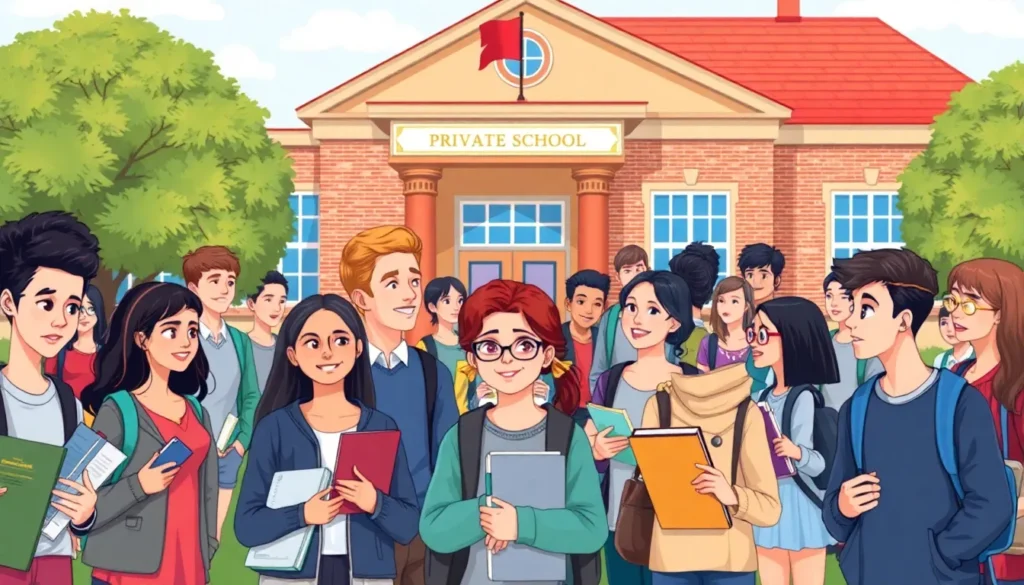
Private education is a form of schooling where educational institutions are managed and funded independently of government control and public funding. These schools rely primarily on tuition fees, donations, endowments, and private grants to operate. Unlike public schools, which are funded and regulated by governmental entities, private schools have greater autonomy over their curriculum, admissions, administration, and overall educational approach.
Detailed Explanation
Private education encompasses a wide range of schools, including religious schools, independent schools, preparatory schools, and specialized institutions. These schools often have specific missions or educational philosophies that guide their programs. They may offer curricula that differ significantly from public education standards, including advanced placement courses, International Baccalaureate programs, or alternative pedagogical methods such as Montessori or Waldorf education.
The funding model for private education is distinct; since they do not receive direct government funding, private institutions depend on tuition payments by students’ families and other private sources. This financial independence allows private schools to maintain control over many aspects of their operation but also means they may be accessible primarily to families able to afford the costs associated with tuition and other fees.
How It Works
Private schools establish their own governance structures, which typically include boards of trustees or directors responsible for decision-making and oversight. These schools develop their own admission criteria, which can include assessments, interviews, or recommendations. Because they are not bound by many public regulations, private schools often have the flexibility to set dress codes, discipline policies, and curricular requirements that reflect their mission and values.
Instructional quality and student-teacher ratios in private schools vary widely, but many emphasize smaller class sizes and individualized attention. Private education can span from preschool to secondary education and sometimes includes post-secondary institutions. Accreditation and recognition by educational authorities may vary, with some private schools seeking accreditation from national or regional independent school associations.
Examples
- Religious Schools: Many private schools are affiliated with religious organizations and integrate faith-based teachings with academic curricula.
- Independent Schools: These schools operate independently of religious or government control and often have unique educational philosophies.
- Boarding Schools: Private schools offering residential facilities, catering to students who live on campus during the academic year.
Why It Matters
Private education plays a significant role in the global educational landscape by providing alternatives to public schooling. It often offers specialized programs, diverse pedagogical approaches, and environments tailored to specific student needs or family preferences. For some families, private education represents an opportunity for enhanced academic rigor, extracurricular offerings, and networking possibilities. Understanding private education is important for assessing educational equity, school choice, and the variety of learning experiences available to students.
Common Misconceptions
Misconception: Private education is always superior to public education.
Correction: The quality of education varies widely among both private and public schools; private schools are not inherently better but may offer different resources or educational approaches.
Misconception: Private schools are only for wealthy families.
Correction: While tuition fees can be high, many private schools offer scholarships and financial aid to increase accessibility for students from diverse economic backgrounds.
Pros and Cons
Comparison Table
| Aspect | Private Education | Public Education |
|---|---|---|
| Meaning | Schools independently managed and funded, often through tuition and private sources. | Schools funded and regulated by government authorities. |
| Funding | Primarily tuition fees, donations, and private endowments. | Government funding from taxes. |
| Curriculum | Varies widely; can be tailored to specific missions or philosophies. | Standardized according to government education standards. |
| Admissions | Selective; based on criteria set by the institution. | Generally open to all students within geographic zones. |
| Regulation | Less regulated; governed internally. | Subject to government oversight and accountability measures. |
Decision Checklist
- Use this if: You seek specialized education, smaller class sizes, or specific pedagogical approaches.
- Avoid this if: Cost is prohibitive or access to financial aid is limited.
- Check this first: Whether the private school is accredited and matches your educational goals and values.
What is the easiest way to understand Private Education?
Private education can best be understood as schooling that operates outside government control and funding, offering families alternative options often characterized by independent governance, tuition-based funding, and distinctive educational approaches.
FAQ
What distinguishes private education from public education?
Private education is independently funded and managed, allowing more control over curriculum and admissions, whereas public education is government-funded and regulated with standardized curricula.
Are private schools always more expensive than public schools?
Generally, private schools charge tuition fees, making them more costly than public schools, which are free at the point of use; however, some private schools offer financial aid to reduce costs.
Can private schools be religious?
Yes, many private schools are affiliated with religious organizations and incorporate faith-based teachings alongside standard academic subjects.




Leave a Reply