
Short Answer
Overview
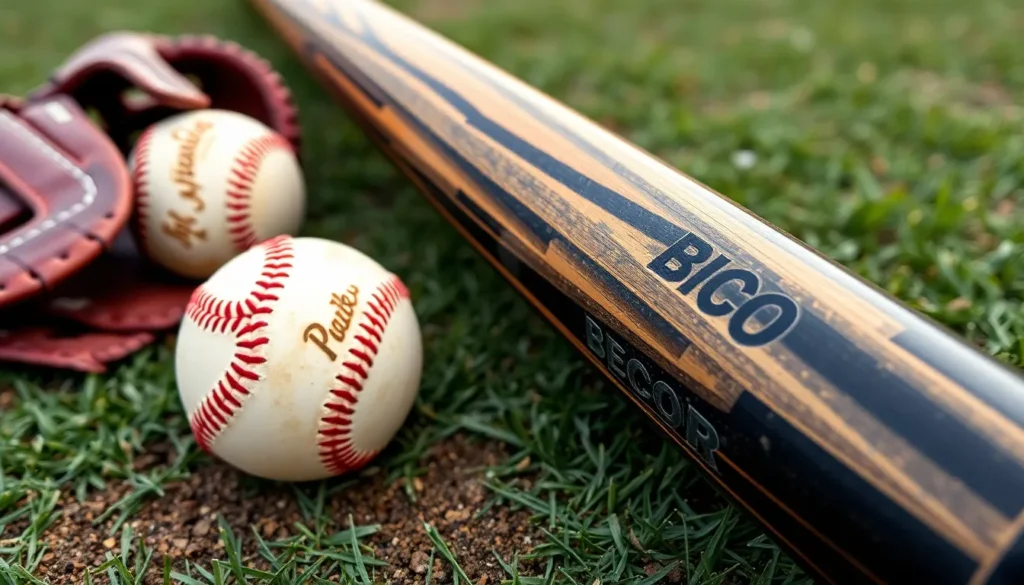
A BBCOR bat is a baseball bat that complies with the Bat-Ball Coefficient of Restitution (BBCOR) standard, a performance standard established to regulate the trampoline effect of non-wood bats. The BBCOR certification is mandatory for bats used in high school and collegiate baseball in the United States. These bats are designed to have performance characteristics similar to traditional wooden bats, thereby promoting player safety and competitive balance.
Detailed Explanation
The BBCOR standard was introduced by the National Collegiate Athletic Association (NCAA) and the National Federation of State High School Associations (NFHS) in 2011 to replace the previous BESR (Ball Exit Speed Ratio) standard. The primary objective was to reduce the ball exit speed off metal or composite bats to levels comparable to wood bats. This regulation limits the trampoline effect—the ability of the bat barrel to flex and rebound the ball—thereby controlling the speed and distance the ball can travel.
BBCOR bats are typically aluminum or composite and must pass specific testing procedures that measure the coefficient of restitution between the bat and ball. To be certified, the bat’s BBCOR value must not exceed 0.50, meaning the ball leaves the bat at no more than 50% of the speed it would after impacting a perfect elastic surface. This certification ensures a standardized level of performance across all bats used in regulated play.
How It Works
The BBCOR standard measures how much energy is transferred from the bat to the ball during impact. The testing involves striking the bat with a standardized ball at controlled speeds and measuring the rebound velocity. The resulting coefficient of restitution is a ratio representing the energy return from the bat to the ball. By limiting this ratio, the standard reduces the potential for excessively high ball speeds, which can pose safety risks for players, especially pitchers and infielders.
Manufacturers design BBCOR bats with materials and construction techniques that control barrel flexibility and trampoline effect. This includes using stiffer alloys, composite materials with specific layering, and thicker barrel walls. These design features contribute to a bat that feels similar to a wooden bat in terms of performance but retains the durability and lighter weight of metal or composite bats.
Examples
- A 33-inch aluminum BBCOR bat weighing 31 ounces designed for high school players.
- A composite BBCOR bat with a two-piece construction to reduce vibration and increase durability.
- A BBCOR-certified bat used in NCAA Division I baseball games to meet league regulations.
Why It Matters
The introduction and enforcement of the BBCOR standard have significantly impacted baseball at the high school and collegiate levels by promoting player safety and leveling the playing field. Prior to BBCOR, non-wood bats could produce much higher ball exit speeds, increasing injury risk and reducing the competitiveness of pitching and defense. By mimicking the performance of wood bats, BBCOR bats help maintain the traditional balance between offense and defense.
Common Misconceptions
Misconception: BBCOR bats are the same as wood bats.
Correction: While BBCOR bats are designed to perform similarly to wood bats in terms of ball exit speed, they are made from metal or composite materials and differ in feel, weight distribution, and durability.
Misconception: All aluminum bats are BBCOR certified.
Correction: Not all aluminum bats meet the BBCOR standard. Only those tested and certified to have a BBCOR value of 0.50 or less are approved for high school and collegiate play.
Pros and Cons
Comparison Table
| Aspect | BBCOR Bat | Wood Bat |
|---|---|---|
| Meaning | A bat certified to meet the Bat-Ball Coefficient of Restitution standard limiting trampoline effect. | A bat made entirely of wood, traditional material for baseball bats. |
| Material | Aluminum or composite. | Wood (ash, maple, birch, etc.). |
| Performance | Designed to mimic wood bat ball exit speeds with reduced trampoline effect. | Natural ball exit speed, no trampoline effect. |
| Durability | More durable, resistant to cracking. | Less durable, prone to breaking. |
| Regulation Use | Required in high school and collegiate baseball. | Used in professional and many amateur leagues. |
Decision Checklist
- Use this if: You play in a high school or college league that mandates BBCOR-certified bats.
- Avoid this if: You prefer the traditional feel of wood bats or play in leagues that allow non-BBCOR bats.
- Check this first: Verify your league’s bat certification requirements before purchasing.
What is the easiest way to understand BBCOR bats?
The easiest way to understand BBCOR bats is to think of them as high-performance metal or composite bats specifically engineered to behave like wood bats in terms of how fast the ball bounces off them. This standard ensures the game remains safe and fair by preventing bats from giving hitters an unfair advantage with excessive ball speed.
FAQ
What does BBCOR stand for?
BBCOR stands for Bat-Ball Coefficient of Restitution, which is a standard measuring how much energy is transferred from the bat to the ball during impact.
Are BBCOR bats allowed in professional baseball?
No, professional baseball primarily uses wooden bats. BBCOR bats are required mainly in high school and collegiate leagues in the United States.
Can I use a non-BBCOR bat in high school baseball?
Generally, no. Most high school leagues require bats to be BBCOR certified to ensure safety and fairness, so non-BBCOR bats are not allowed during official play.


Leave a Reply