
Short Answer
Overview
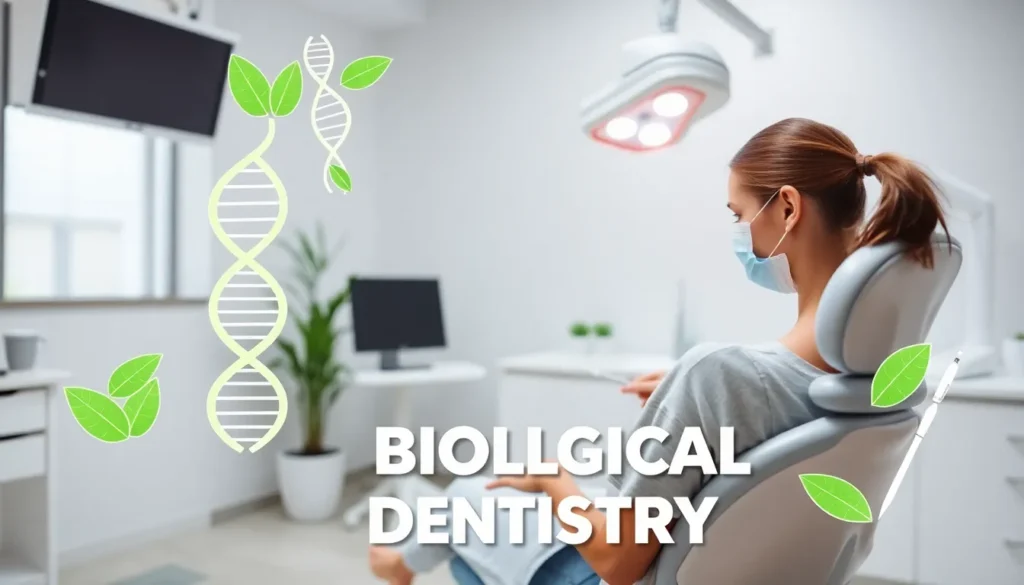
A biological dentist is a dental practitioner who combines conventional dental techniques with an emphasis on the biological compatibility of dental materials and the impact of dental health on the entire body. This approach, also known as holistic or biocompatible dentistry, considers the mouth as an integral part of overall health rather than an isolated system. Biological dentists often assess environmental factors, use non-toxic materials, and prioritize minimally invasive treatments.
Detailed Explanation
Biological dentistry arose from concerns regarding the potential systemic effects of certain dental materials and procedures. Practitioners in this field aim to reduce exposure to substances like mercury from amalgam fillings, and avoid materials that may trigger allergic or toxic reactions. They may also focus on the role of oral infections and inflammation in contributing to chronic diseases. While biological dentists use standard diagnostic and treatment methods, they integrate alternative health perspectives, sometimes collaborating with other health professionals to achieve holistic patient care.
How It Works
Biological dentists evaluate patients by considering both oral and systemic health factors. They may conduct allergy testing to determine material compatibility and opt for biocompatible alternatives such as composite resins or ceramic restorations. Procedures are designed to minimize trauma and chemical exposure. For example, mercury amalgam removal is performed with protocols to reduce mercury vapor inhalation. Additionally, biological dentists may emphasize nutrition, oral detoxification, and lifestyle changes as part of treatment plans.

Examples
- Using composite resin or porcelain instead of amalgam fillings to avoid mercury exposure.
- Performing mercury-safe amalgam removal techniques to protect the patient and dental staff.
- Incorporating ozone therapy or laser treatments to reduce bacterial infections without antibiotics.
Pros and Cons
- Pros: Focus on biocompatibility and reduced exposure to potentially harmful materials; emphasis on whole-body health; often uses minimally invasive techniques.
- Cons: Some practices may lack extensive scientific validation; treatments can be more costly; not always covered by insurance; potential for conflicting opinions with conventional dental standards.
Comparison Table
| Aspect | Biological Dentist | Conventional Dentist |
|---|---|---|
| Meaning | Integrates dental care with holistic health, focusing on biocompatibility. | Focuses primarily on oral health using established clinical methods. |
| Materials Used | Uses biocompatible, often non-toxic materials; avoids mercury amalgam. | Uses standard dental materials, including amalgam and composites. |
| Treatment Approach | Minimally invasive, considers systemic health and environmental factors. | Focuses on clinical effectiveness and oral health outcomes. |
| Scientific Support | Some methods lack robust scientific consensus. | Generally evidence-based and widely accepted in dentistry. |
Decision Checklist
- Use this if: You are concerned about the potential systemic effects of dental materials and want a holistic approach.
- Avoid this if: You prefer treatments strictly supported by mainstream dental science without alternative health considerations.
- Check this first: Verify the biological dentist’s credentials, treatment protocols, and scientific basis for proposed procedures.
What is the easiest way to understand Biological Dentistry?
Biological dentistry can be best understood as an approach to dental care that not only treats the teeth and gums but also considers how dental health affects and reflects the health of the entire body. It emphasizes using safe, biocompatible materials and treatments that align with a holistic view of wellness.
FAQ
Is biological dentistry recognized by mainstream dental organizations?
Biological dentistry is practiced by licensed dentists but some of its approaches and claims lack full endorsement from mainstream dental organizations due to limited scientific evidence.
Are treatments by biological dentists more expensive?
Treatments may be more costly because of specialized materials, additional safety protocols, and longer appointment times.
Can biological dentistry help with systemic diseases?
While biological dentistry emphasizes the oral-systemic connection, evidence supporting direct treatment of systemic diseases through dental care alone is limited and should be considered complementary to medical care.




Leave a Reply